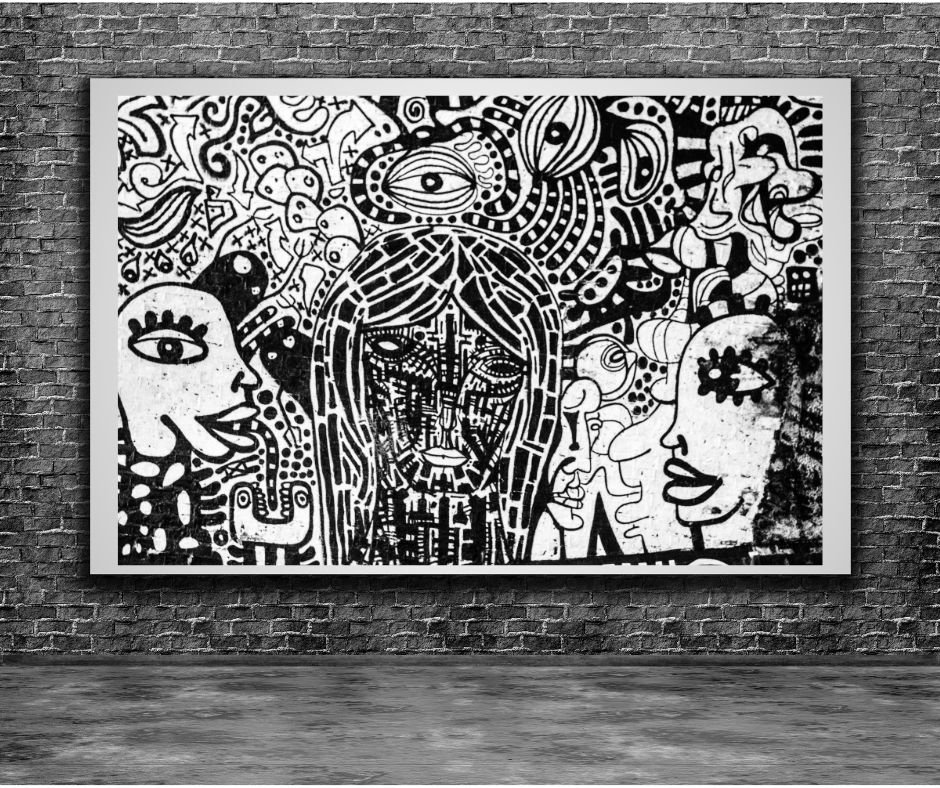
Fine Art Photography Prints: Transforming Spaces with Visual Emotion
In an era dominated by fleeting digital content, where images appear and disappear at the speed of a swipe, there is something profoundly different about a fine art photography print. A print is not just an image—it is a physical presence, a work of art that inhabits a space and reshapes it with depth, meaning, and emotion.
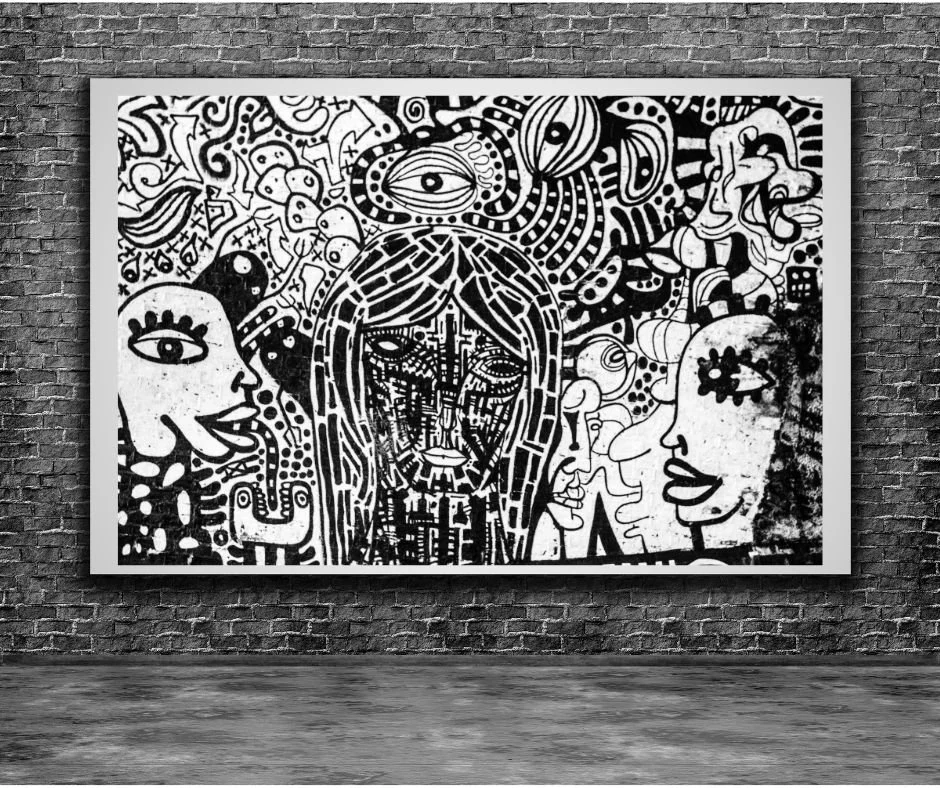
In an era dominated by fleeting digital content, where images appear and disappear at the speed of a swipe, there is something profoundly different about a fine art photography print. A print is not just an image—it is a physical presence, a work of art that inhabits a space and reshapes it with depth, meaning, and emotion.
Beyond the Screen: Why Fine Art Photography Matters
A digital photo can be liked, shared, or forgotten in seconds. A fine art print, instead, lingers. It brings with it the intention of the artist, the sensitivity of their gaze, and the atmosphere captured in a moment that cannot be repeated. To choose a print is to enter into a dialogue with the photographer’s vision—an emotional connection that matures and deepens over time.
When a print enters a room, it doesn’t merely decorate a wall. It creates resonance. It sets a mood. It becomes a silent interlocutor for those who encounter it day after day.
The Dialogue Between Photos and Interior Design
Interior designers and architects increasingly recognize the transformative role of photography. A well-placed photographic print can shift the perception of an entire environment: it can give depth to a minimalist room, inject contrast into a sleek modern space, or bring warmth to a professional office.
Unlike decorative accessories chosen for trend or color coordination, photography carries a universal language. It speaks directly to both the eye and the heart, bypassing cultural and linguistic barriers. An image can calm, energize, provoke thought, or inspire creativity. And in doing so, it becomes an integral part of design—not an addition, but a foundation.
Living with Emotions
Every photograph carries an emotional frequency. Some radiate serenity: a seascape that brings calm, a forest bathed in golden light that restores balance. Others pulse with energy: an urban scene full of movement, a bold portrait that confronts the gaze of the viewer. Still others challenge and provoke, forcing us to pause and reflect.
A photographic print is never neutral. It is a companion—silent yet eloquent—that shapes the atmosphere of a space and influences the emotions of those who inhabit it. Choosing one is not a matter of decoration, but of self-expression.
The Value of the Printed Image
In a digital world where everything seems temporary, the fine art print restores materiality and permanence to photography. Archival papers and museum-quality printing techniques elevate an image beyond reproduction: every detail, every shade, every grain of light is preserved as an authentic artistic statement.
The value of a fine art print lies not only in its aesthetic presence but also in its longevity. Resistant to time, faithful in color, tactile in its texture, it stands as a collectible object—an artwork meant to endure, to be passed on, to become part of a story larger than itself.
Photography Without Borders
One of the strengths of photography is its universality. Unlike spoken language, an image requires no translation. A photograph builds bridges between cultures, conveying sensations and meanings that words often cannot. This is why photographic prints are found not only in private homes but also in hotels, offices, studios, and public spaces worldwide. Each setting gains a unique atmosphere—welcoming, striking, contemplative—that leaves a lasting impression on those who pass through it.
Choosing to Live with Images
To hang a fine art photography print is to make a statement: to choose art, identity, and emotion as part of everyday life. It is not about filling an empty wall—it is about creating an environment that reflects who we are, what we value, and what inspires us.
Fine art photography prints are not mere wall décor. They are artworks that inhabit our spaces and, in doing so, become part of us.
If this image resonates with your space, you can explore the full collection.
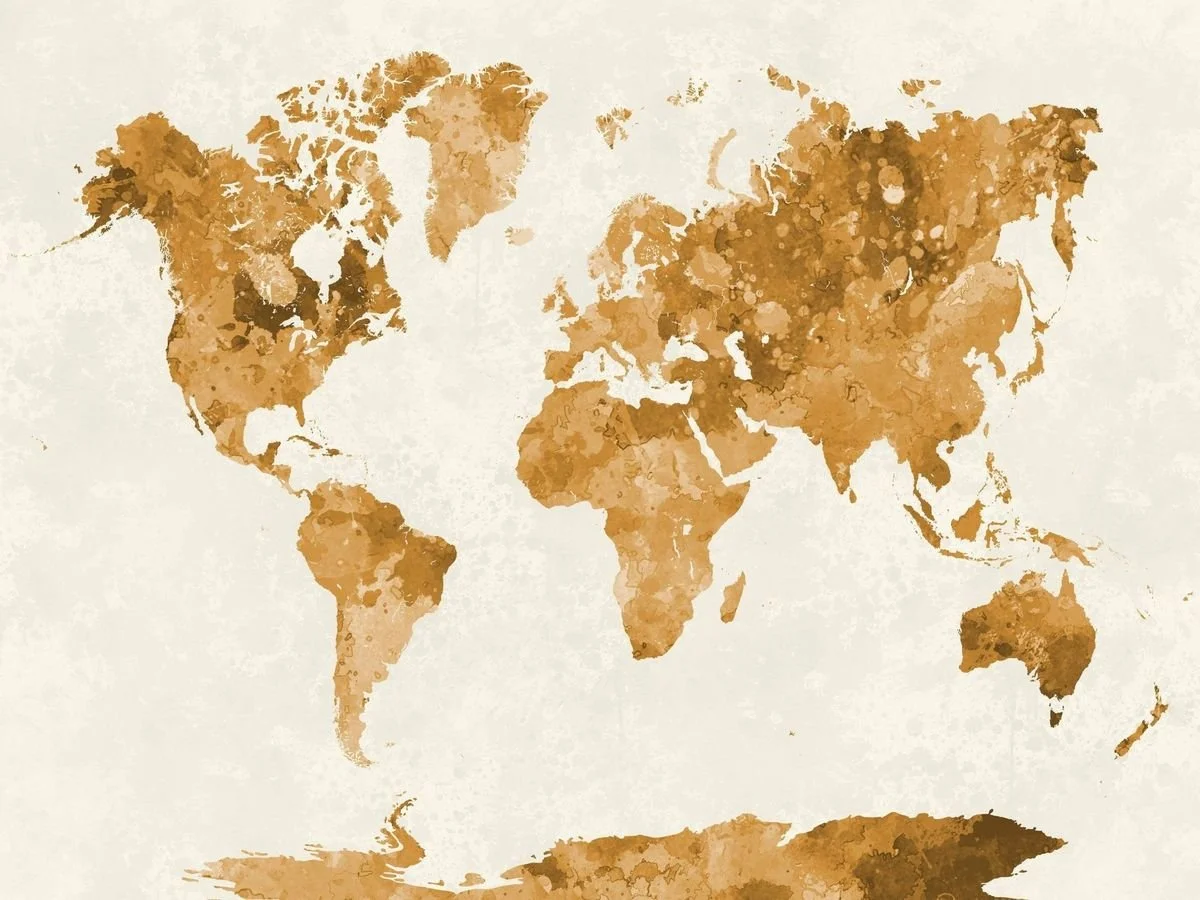
Beyond Borders: the International Journey of Fine Art Photography Prints
In the world’s greatest cities, art is not a luxury – it is a language. Walking through New York, from lofts overlooking the Hudson to the galleries of Chelsea, you can feel the hunger for uniqueness, the need to surround yourself with objects that tell a story. In London, between the creative streets of Shoreditch and the refined corners of Notting Hill, walls become canvases where design meets emotion. The same is true in Paris, Berlin, Tokyo: places where exclusivity is not an excess, but a way of expressing identity.
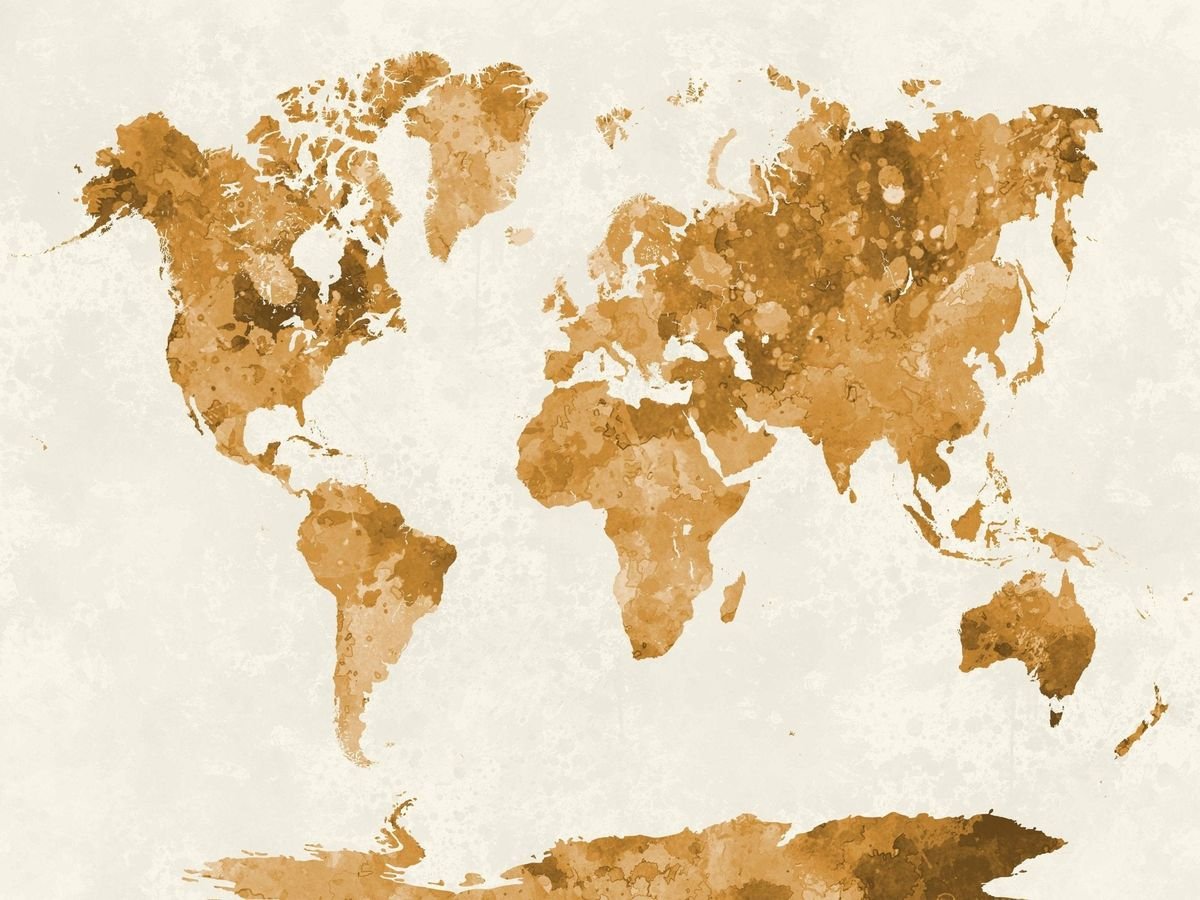
In the world’s greatest cities, art is not a luxury – it is a language. Walking through New York, from lofts overlooking the Hudson to the galleries of Chelsea, you can feel the hunger for uniqueness, the need to surround yourself with objects that tell a story. In London, between the creative streets of Shoreditch and the refined corners of Notting Hill, walls become canvases where design meets emotion. The same is true in Paris, Berlin, Tokyo: places where exclusivity is not an excess, but a way of expressing identity.
This is where our project of fine art photography prints comes to life. We are not talking about simply decorating a wall; we are talking about bringing photography into everyday life, turning it into a living experience. Each print becomes part of a larger narrative, a bridge between cultures, a voice that speaks beyond borders.
The growing desire for originality
Those who live in a metropolis know the feeling: being surrounded by images, everywhere. Billboards, social feeds, advertisements – a visual overload. And precisely because of this, people crave authenticity.
A fine art print is not just a reproduction; it is an object of value. Carefully produced with archival materials, designed to last, and born from the unique vision of the photographer. It embodies exclusivity, intimacy, and originality.
Today, collectors and design lovers are no longer satisfied with mainstream, mass-produced images. They want to discover emerging photographers, to bring fresh perspectives into their homes and workspaces. That’s why our prints resonate in Brooklyn lofts, in London creative studios, in offices and public spaces where art becomes a statement of identity.
Building relationships, not transactions
For us, this project is not about selling photography online. It is about building connections. Every time a print leaves Italy and arrives in New York, London, Berlin, or Sydney, a new story begins. It is more than a transaction; it is a dialogue.
Our vision is to create a global community of collectors, interior designers, and art lovers who share the same passion for photography, design, and emotional storytelling.
Every collector is not just a buyer – they are a partner, a companion on this journey. We believe in creating long-lasting relationships, built on trust, appreciation, and shared values. When someone hangs one of our prints, they are not just hanging an image; they are embracing a connection.
International by nature
Our roots are in Italy, but our mission is international. Photography is a universal language: light, form, and color speak to everyone, no matter the culture or location.
This is why we look with enthusiasm to global metropolises. In New York, people search for exclusivity. In London, curiosity about emerging talent runs deep. In Berlin, the spirit of experimentation thrives. We want to be part of all these dialogues – not as spectators, but as contributors.
More than a frame
A fine art print is more than paper, ink, and frame. It is a journey. It is the chance to bring a fragment of the world into your own space. For those who live in fast-moving cities, pausing in front of an image becomes an act of balance, a moment of stillness.
This is why we believe art should have no boundaries – not geographical, not cultural, not emotional.
Our mission is simple yet ambitious: to share photography everywhere there is a desire for authenticity and beauty. From Italy to the entire world, beyond borders.
If this image resonates with your space, you can explore the full collection.
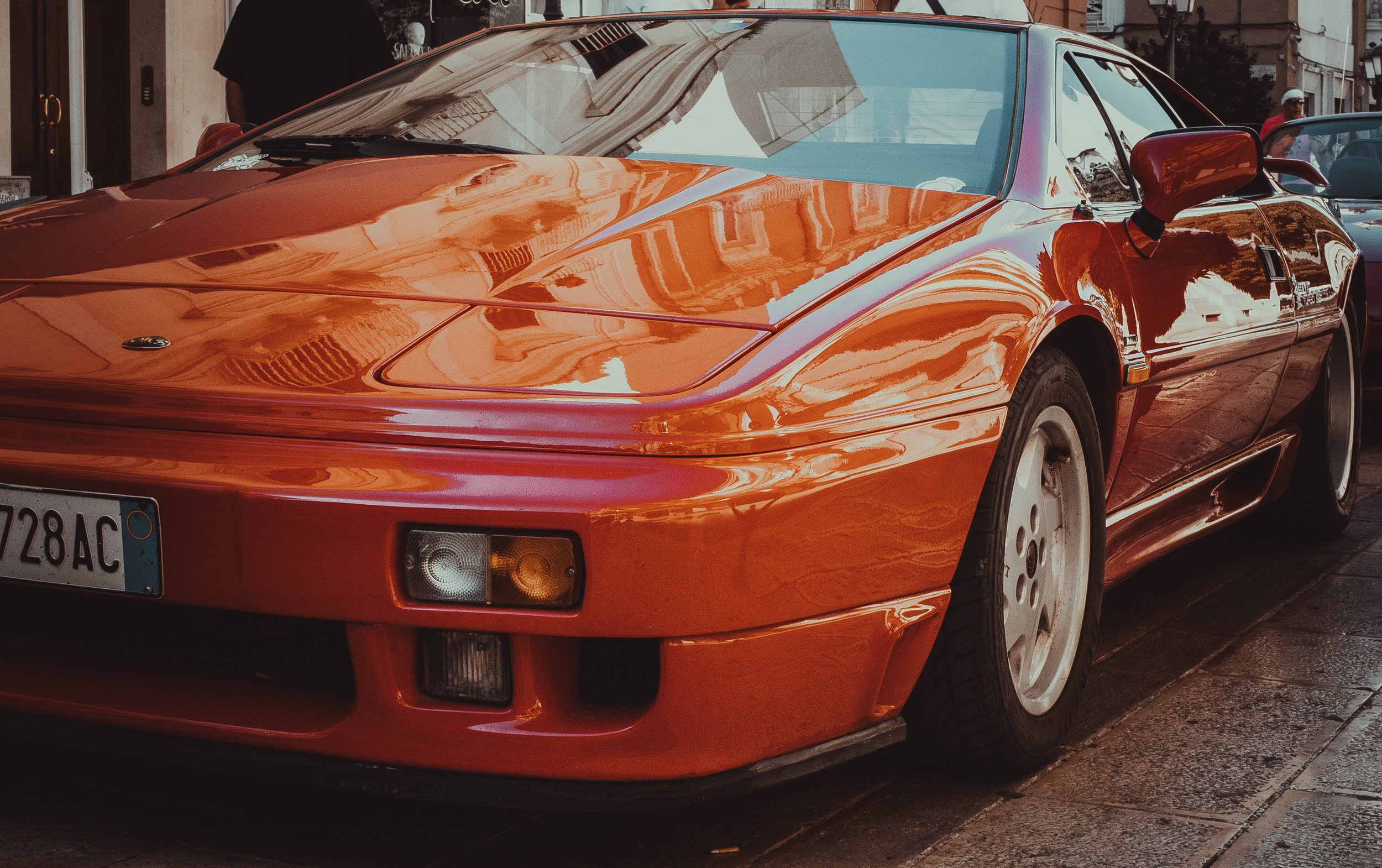
Timeless Design: From Classic Cars to Fine Art Photography
The recent classic car event in Taranto brought back to the streets not only historic vehicles but also enduring symbols of timeless design. The roar of the engines, the sculpted lines, the shining chrome — everything spoke of an era when style and durability outweighed pure function.
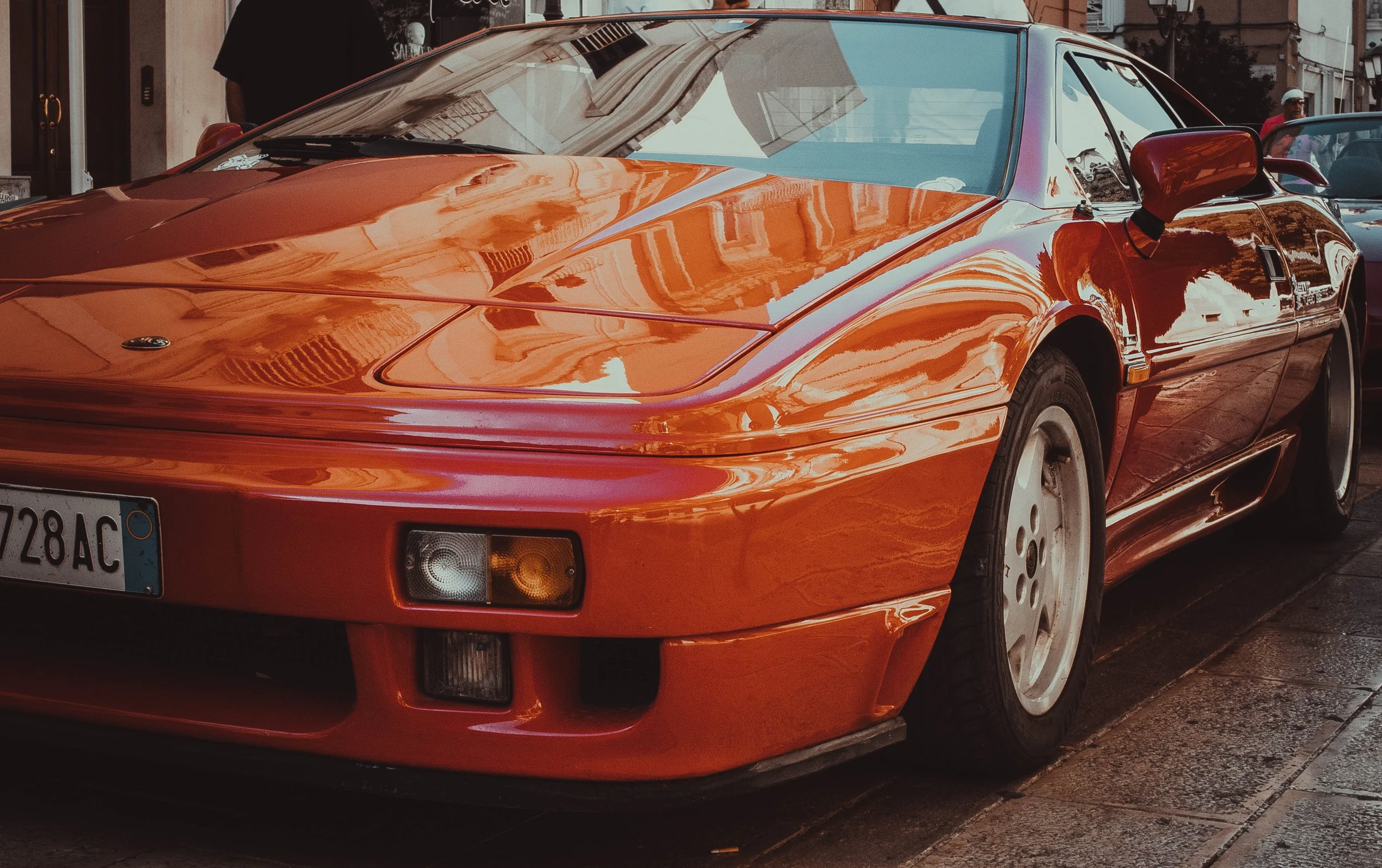
Taranto and the beauty of icons
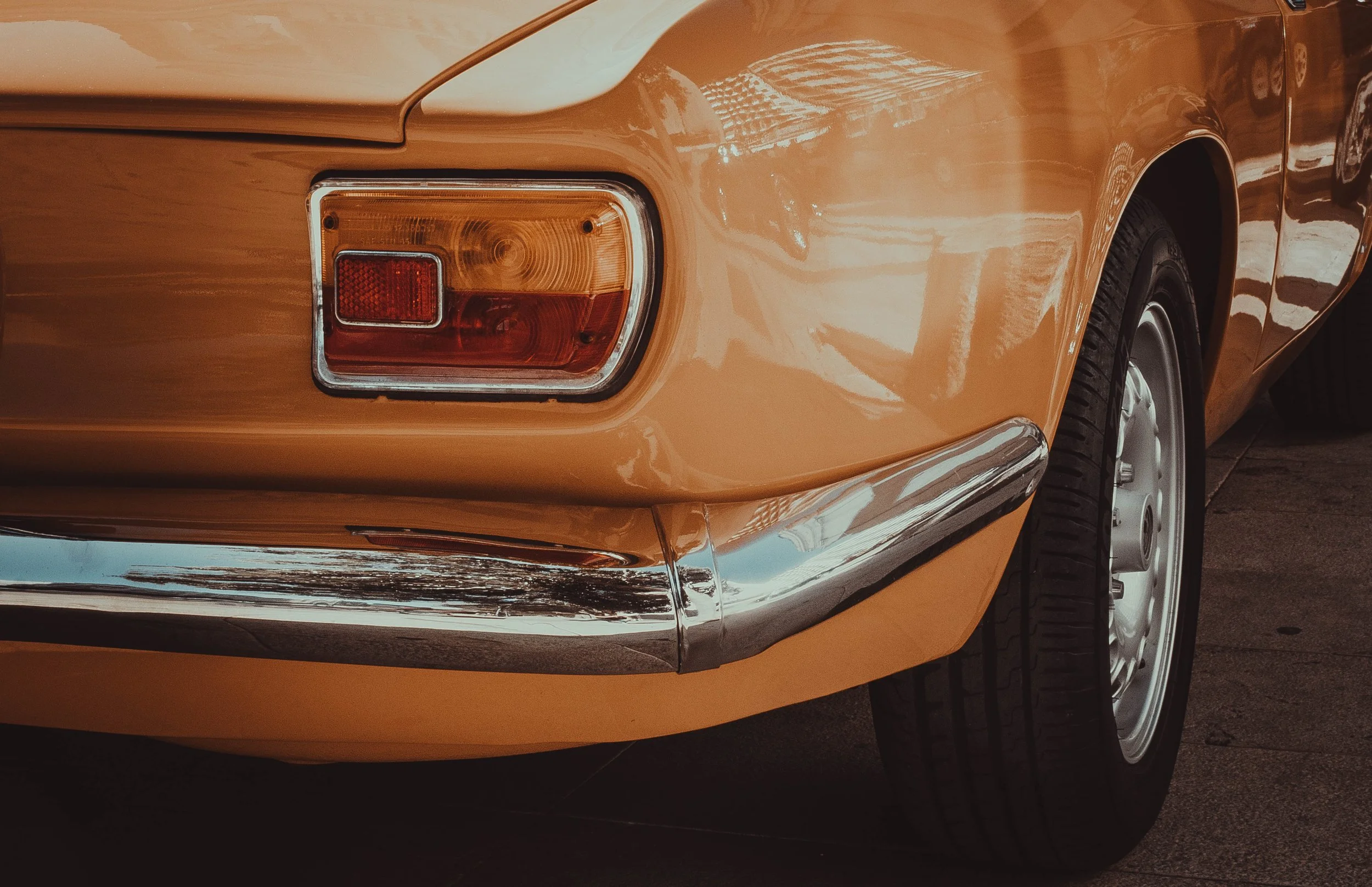
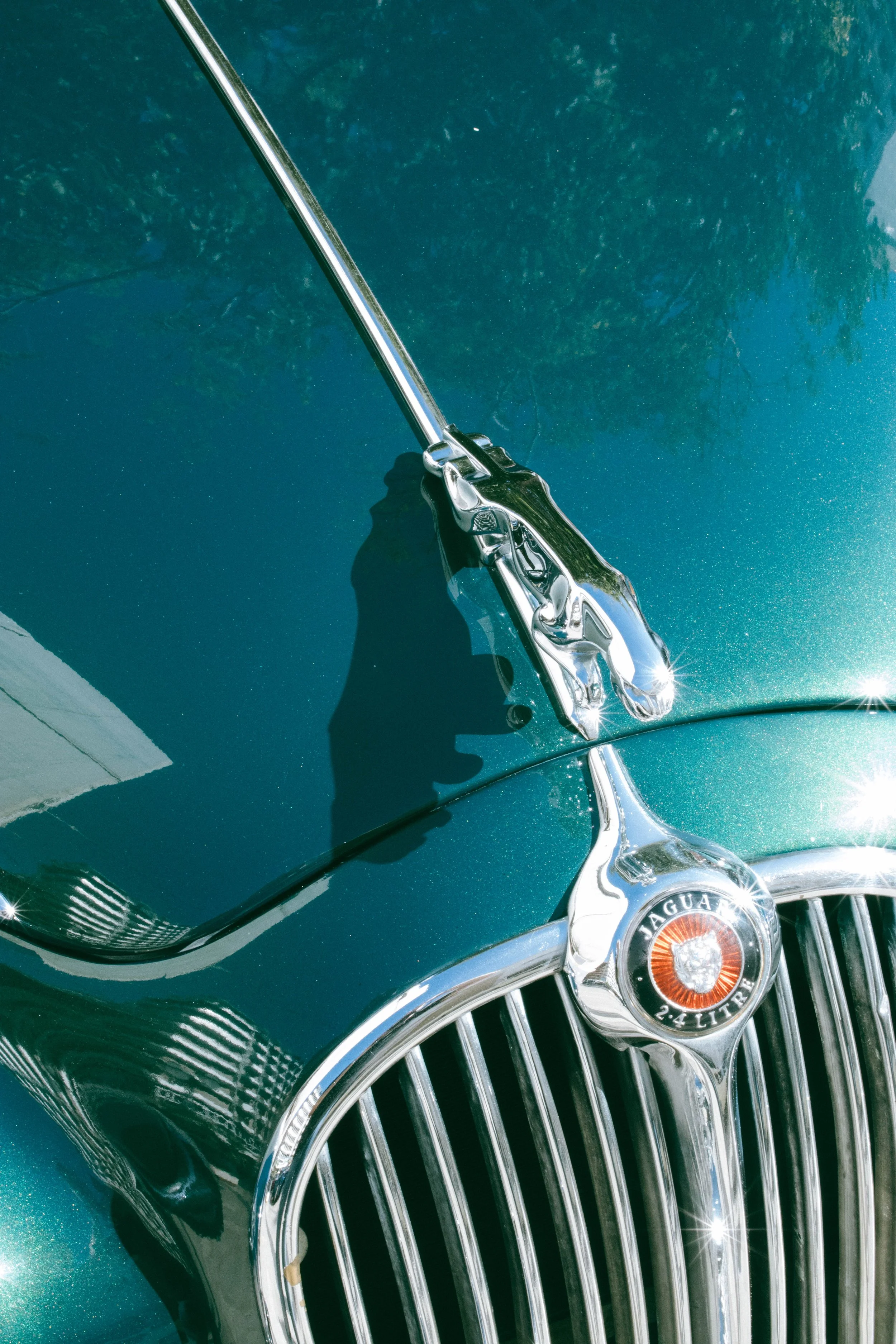
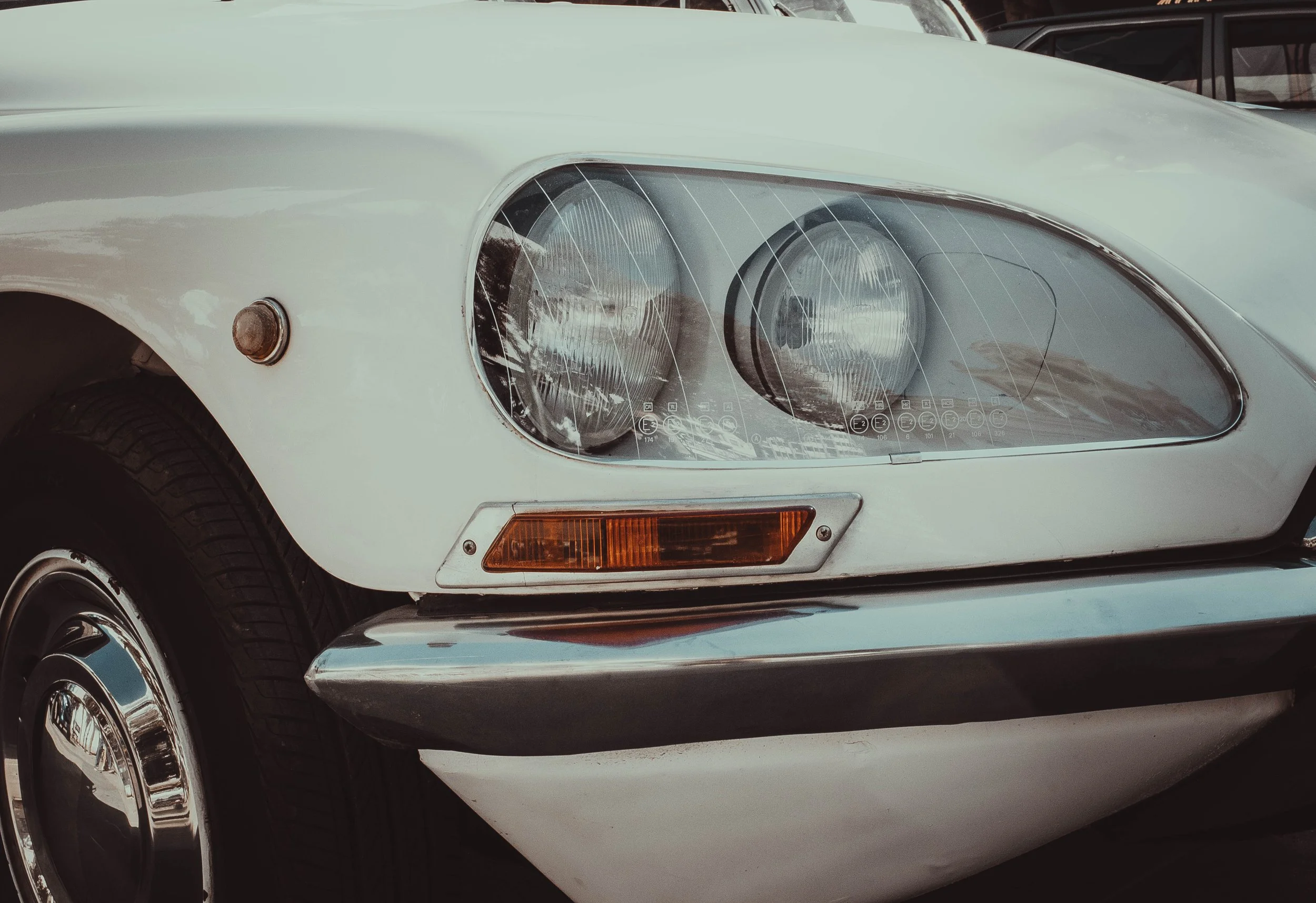
The recent classic car event in Taranto brought back to the streets not only historic vehicles but also enduring symbols of timeless design. The roar of the engines, the sculpted lines, the shining chrome — everything spoke of an era when style and durability outweighed pure function.
Looking at a vintage Alfa Romeo or the iconic Fiat 500, we are not just admiring cars, but true masterpieces of aesthetics and engineering, created to inspire across generations.
This naturally opens a parallel with another creative discipline: fine art photography, where beauty is also preserved and celebrated across time.
Classic cars: the value of enduring design
Every classic car carries a unique story. The Alfa Romeo, with its sporty yet refined shapes, has long embodied Italian automotive passion. The Fiat 500, on the other hand, transcended its role as a vehicle to become a cultural icon — a symbol of accessible style and Italian ingenuity.
These cars are more than collectibles: they are proof that authentic design never loses its value. Their harmonious proportions, refined details, and quality craftsmanship continue to resonate today, long after their creation.
Fine art photography: not decoration, but identity
Similarly, fine art prints go beyond decoration. They do not simply fill a blank wall; they define a space and communicate a message.
A fine art photograph tells an emotion, a perspective, a moment captured with the same care that an automotive designer invested in shaping a car’s silhouette. To choose a fine art print is to make a statement of identity: to enrich a living or working environment with a piece that reflects one’s taste, style, and personality.
Timeless design: drawing the parallel
The parallel between classic cars and fine art photography is clear.
A vintage Alfa Romeo preserved in a collector’s garage is conceptually akin to a photograph displayed in a minimalist interior: both are objects of cult value.
The soft curves of the Fiat 500 echo the way photography can feel both familiar and surprising.
In both cases, these creations transcend trends and continue to express beauty across time.
An aesthetic investment
Just as classic cars are not only an aesthetic pleasure but also an investment, so too are fine art photography prints. Beyond the quality of materials, their value lies in their uniqueness.
In an era flooded with digital imagery, choosing a fine art print means embracing rarity, tangibility, and the ownership of an artwork that cannot be endlessly reproduced.
Simon Joyce Photo: looking ahead
The Taranto event sparked not only striking photographs but also reflections on the future of Simon Joyce Photo. Perhaps new collections inspired by the world of classic cars will emerge, merging automotive design with photographic vision.
Because in the end, whether it is a vintage car or a fine art photograph, the mission remains the same: to offer beauty that lasts through time.
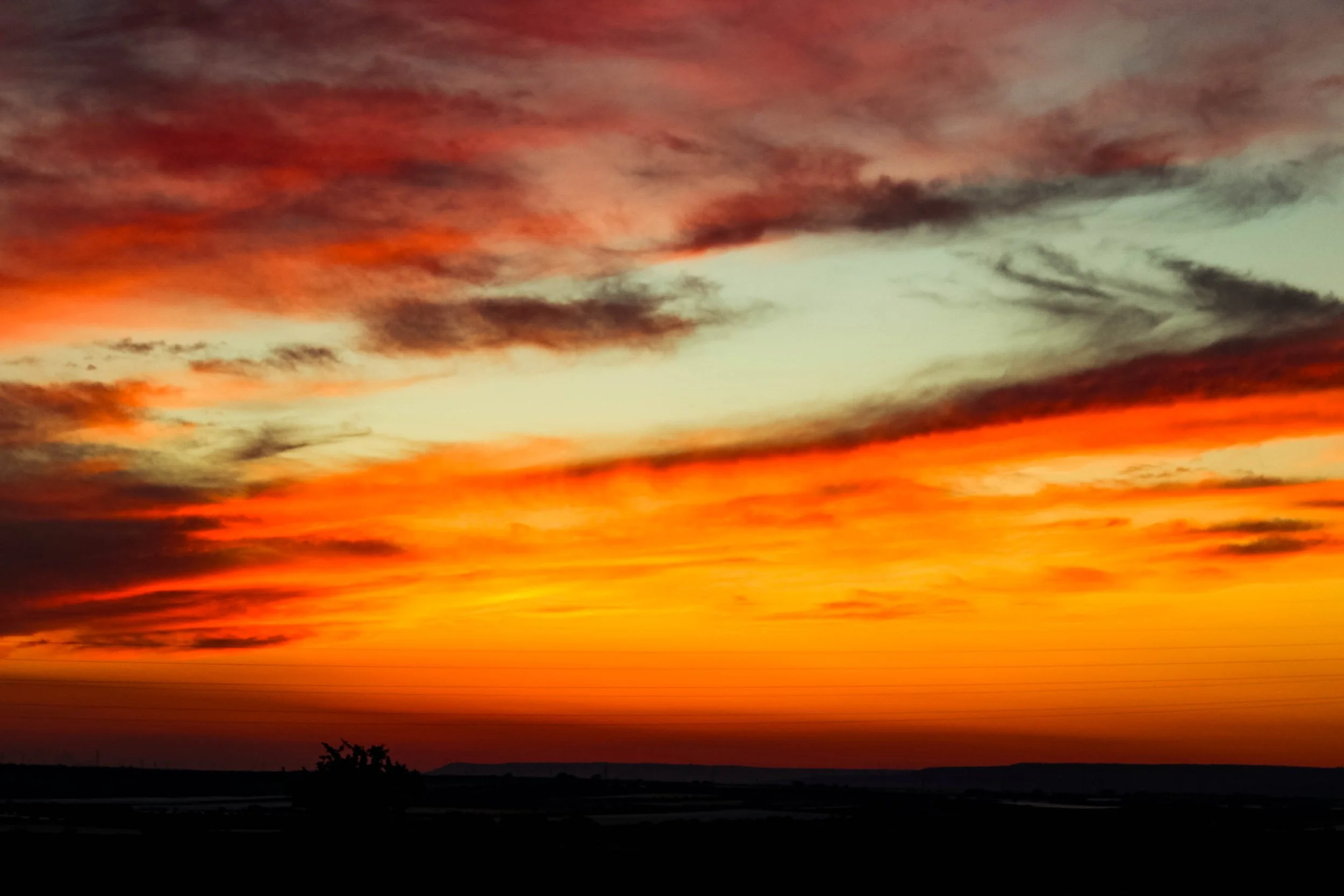
don’t be static | New Collection & Access Series
Art, like life, is never static. Every image is the outcome of a journey, of an evolving vision, of a perspective that changes with the artist. That journey never stops: it grows, it deepens, it shifts. This constant transformation is the essence of fine art photography.
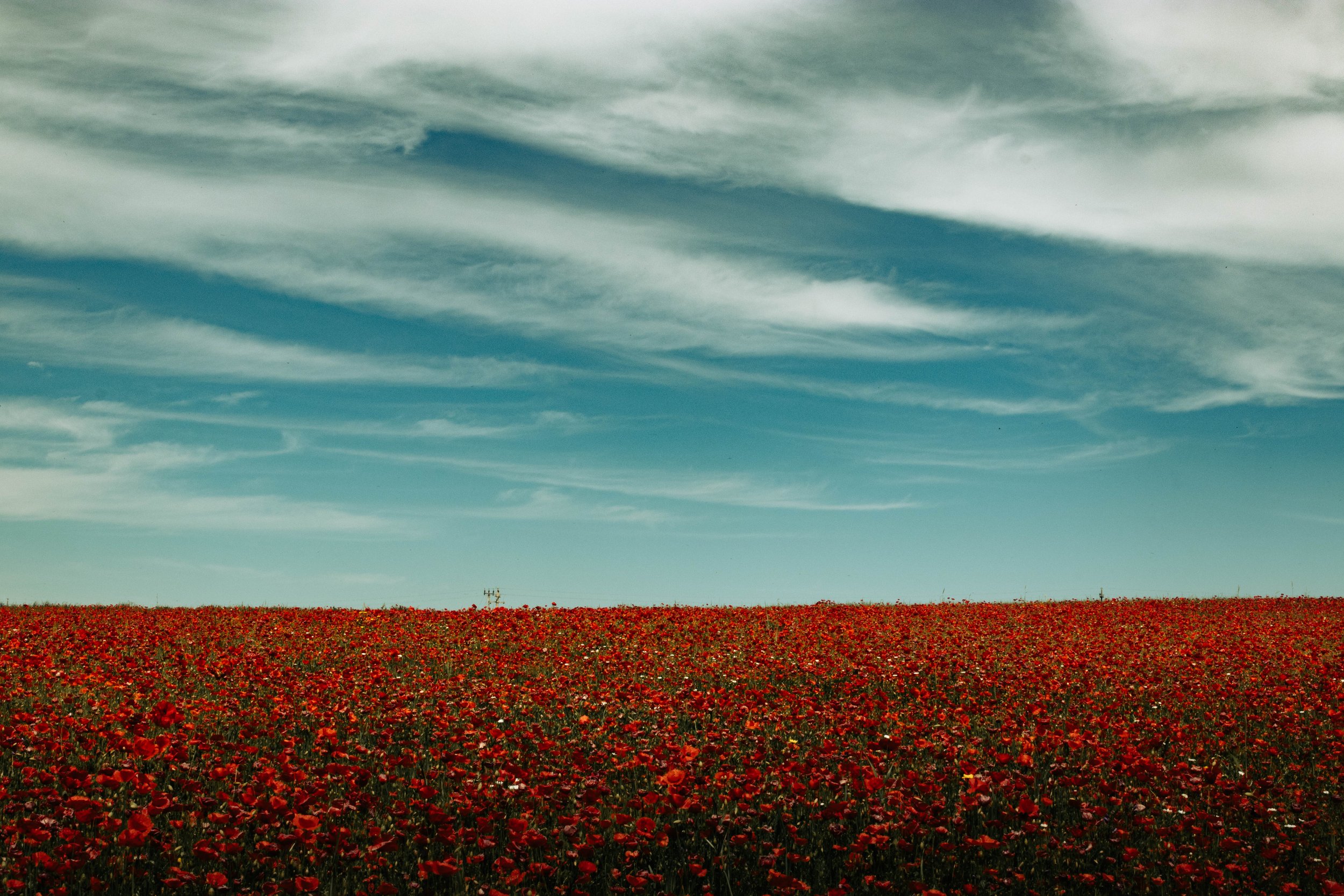
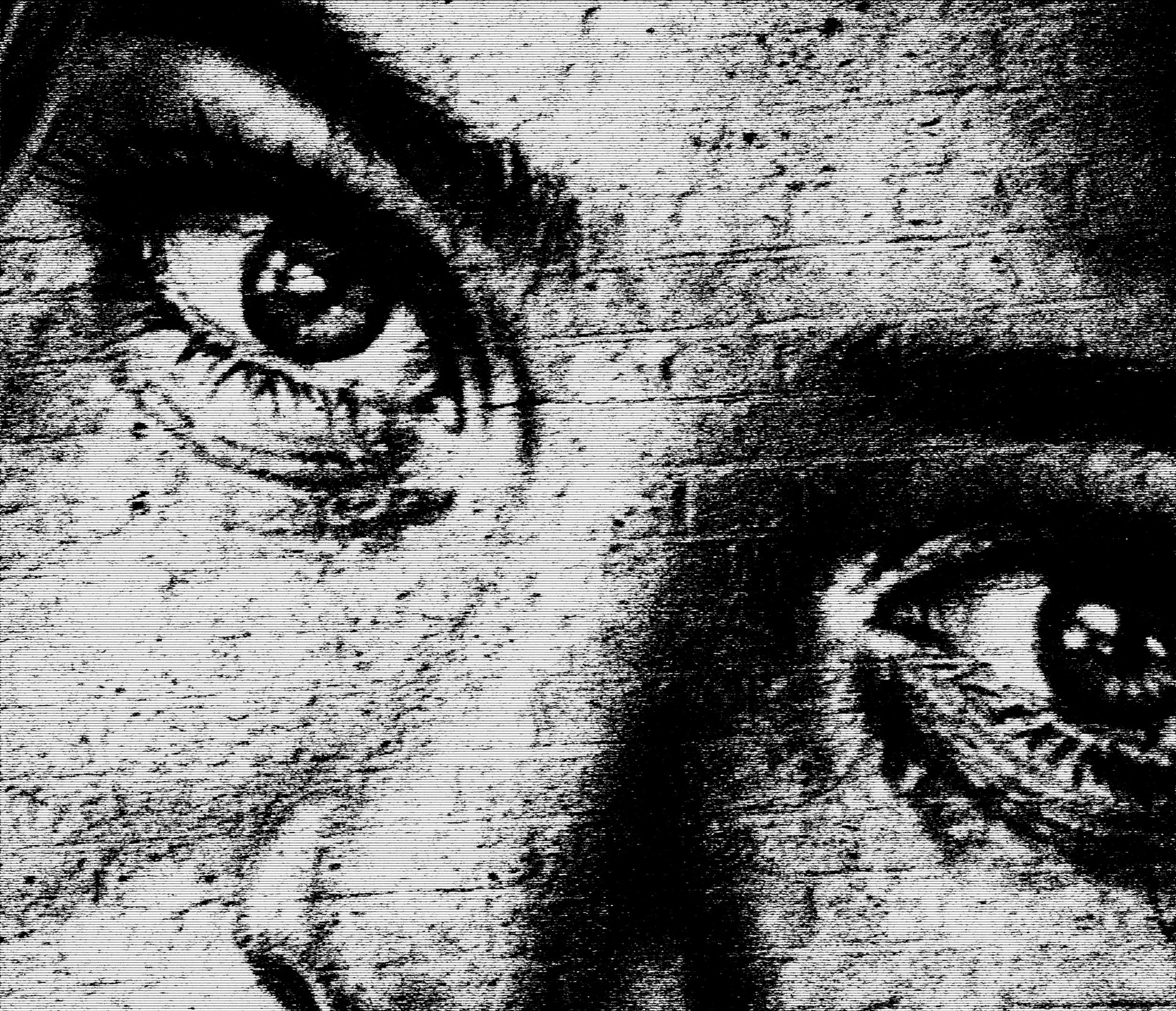
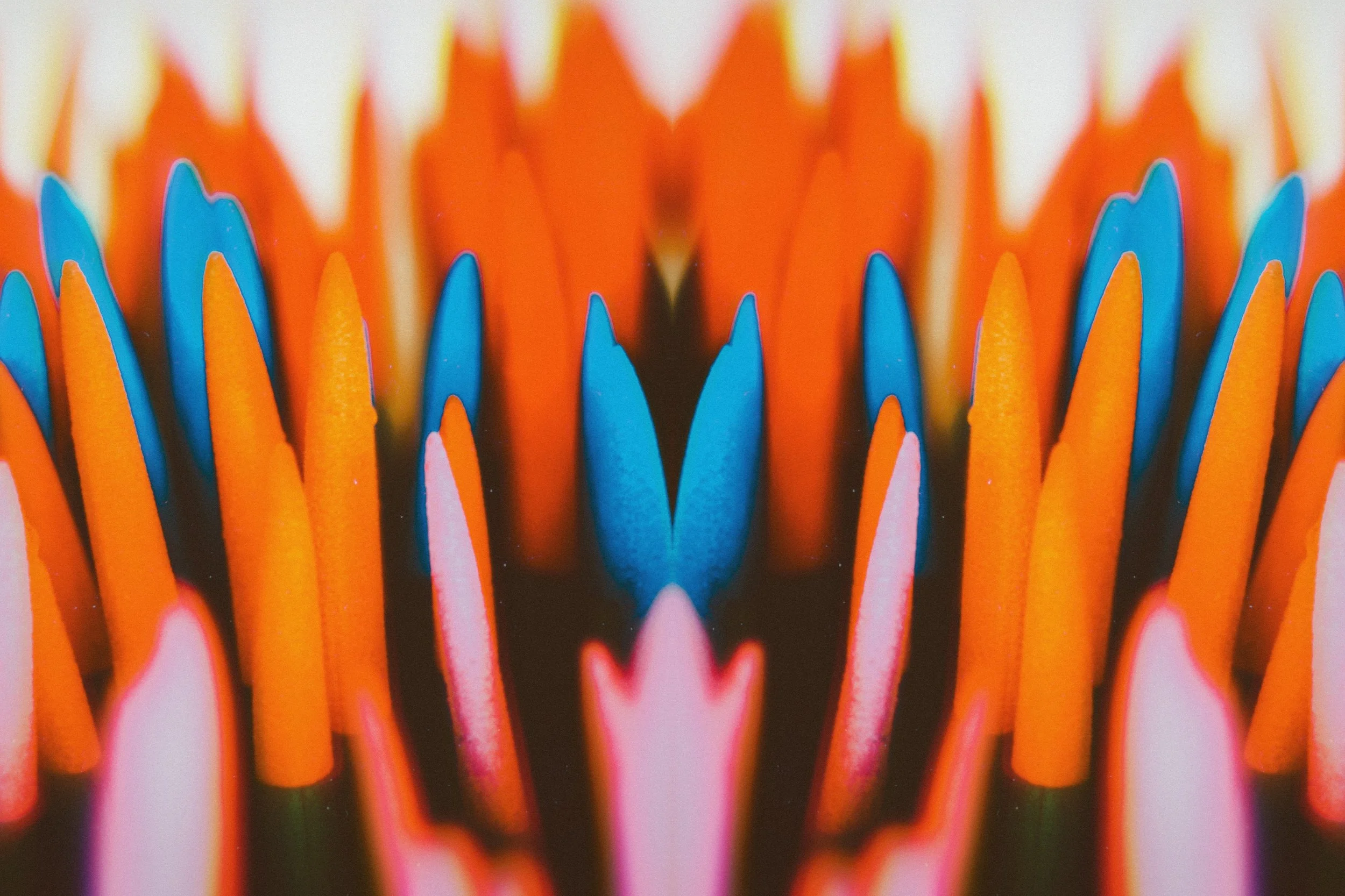
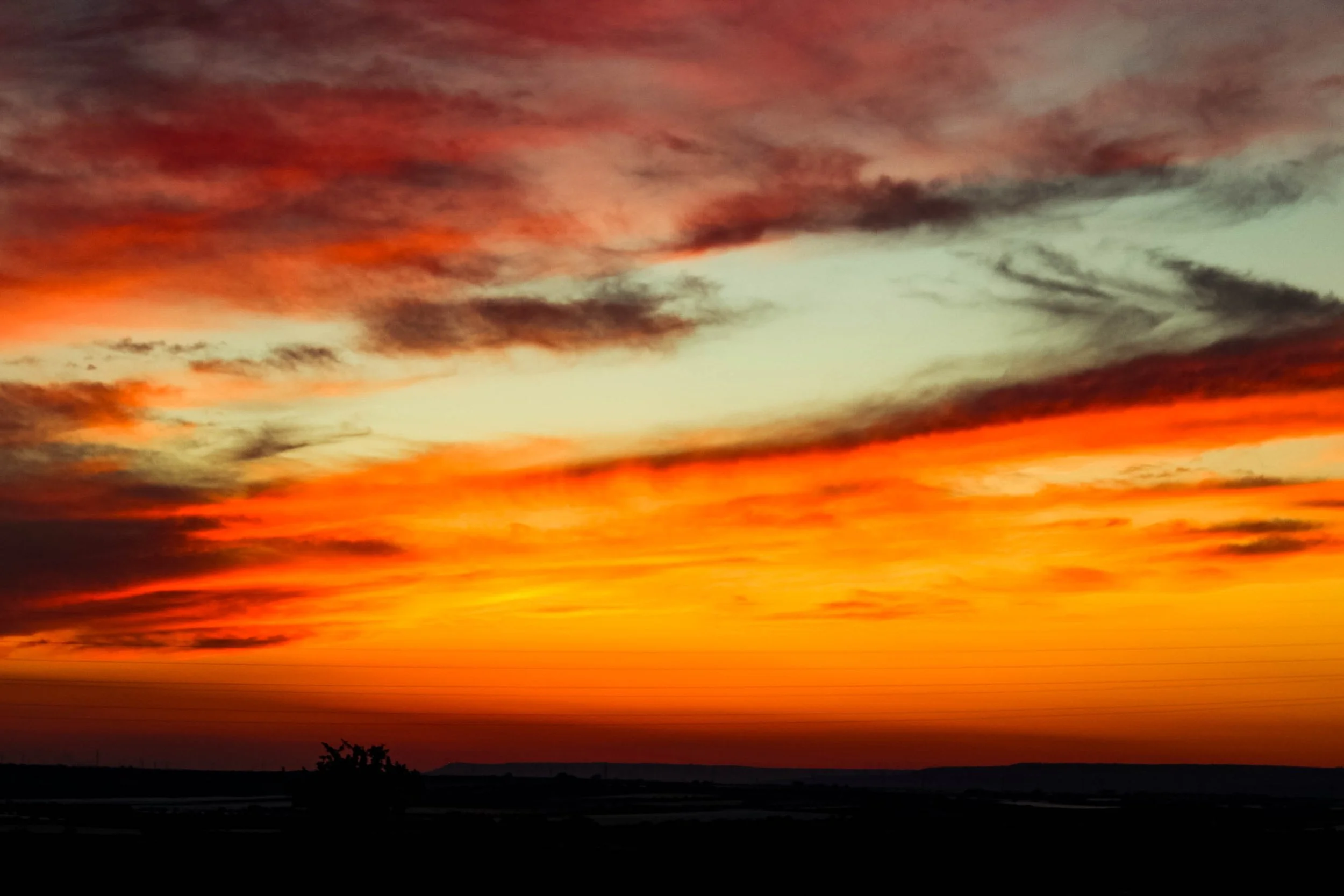
Art, like life, is never static. Every image is the outcome of a journey, of an evolving vision, of a perspective that changes with the artist. That journey never stops: it grows, it deepens, it shifts. This constant transformation is the essence of fine art photography. And today, this energy takes shape in two exciting novelties: the New Collection and the Access Series, two different but complementary ways to experience the photographic vision of Simon Joyce Photo.
Why novelty matters
Why release new works when the existing collection is already solid and recognizable? The answer is simple: without novelty, art risks becoming static, predictable, even boring.
Our homes and workplaces need visual stimuli that keep them alive. A new photographic artwork is not just another picture; it’s a spark that renews the atmosphere, a detail that can transform the perception of an entire room.
Photography has the power to turn a space into an experience. That’s why the Simon Joyce new photography collection is not just a set of images: it’s an invitation to rediscover art every day, to refuse the comfort of the familiar, to embrace change.
The New Collection – 20 new fine art photographs
At the heart of this launch lies the New Collection: 20 new original photographs, created for those who want to own something unique and exclusive.
Each print is produced on museum-quality fine art paper, offering extraordinary detail and longevity. These are not just decorations; they are fine art photography prints capable of telling stories, capturing unrepeatable moments, and bringing the universal language of emotions into your living spaces.
The New Collection is perfect for those who seek authenticity and want to invest in a piece that is not only beautiful but also deeply personal, a work of art that becomes part of your identity.
The Access Series – same emotion, affordable price
Alongside the exclusivity of the New Collection comes a second line: the Access Series.
Here, the same photographs are offered in an entry-level format, with high-quality art prints at an affordable price. Perfect for photography lovers who wish to live with contemporary art without heavy investment.
Why give up when you can enjoy the same visual impact in a different form? The Access Series is not a compromise but an opening: a way to make contemporary art truly inclusive, without losing its essence. It’s a bridge between the world of exclusive collecting and the everyday desire for beauty.
Evolution as a value
These two lines – the New Collection and the Access Series – are not just product categories. They represent an artistic journey in continuous evolution.
Each new photograph is a chapter in Simon Joyce’s creative story; each series is an opportunity to approach his language and become part of an ongoing journey.
Fine art photography is not a static object but a living experience. Bringing it into your space means allowing art to evolve with you, to grow and transform as your life does.
Stay connected to art
Buying a print today doesn’t mean closing a circle, but opening a new one. It means entering into a relationship with the artist, following his developments, staying connected to future collections.
That’s why we invite you to explore the New Collection and the Access Series at www.simonjoycephoto.com. Because staying connected to art means never stopping to feel inspired.
Whether you choose the exclusivity of the New Collection or the accessibility of the Access Series, the important thing is not to stop seeking beauty – to surround yourself with visual stimuli that transform spaces into life experiences.
Don’t let your walls stand still: Don’t Be Static. Choose novelty, choose your art.
Visit our shop to stay up to date with new collections and initiatives.
A Sunday as Sharp as the Vespas
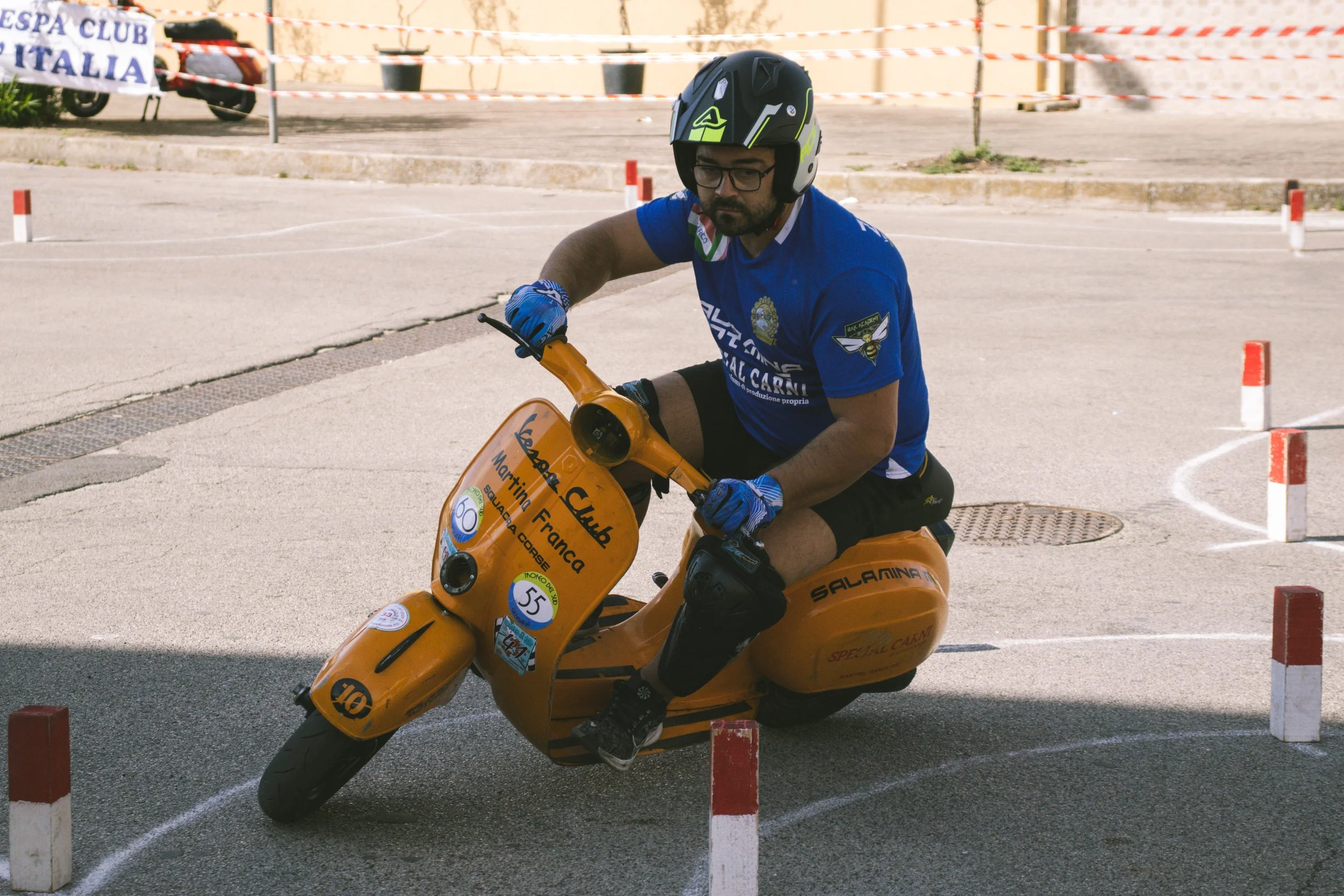
This past Sunday was one of those occasions. I attended, as a spectator and observer, an interregional Vespa gimkana championship in Puglia and Basilicata. It’s a discipline of skill I didn’t know deeply before, but it surprised me with its contagious energy. The protagonists? The Piaggio Vespa, in different versions and ages, and above all the riders who ride them with passion, facing curves and slalom with a lightness that feels almost playful.
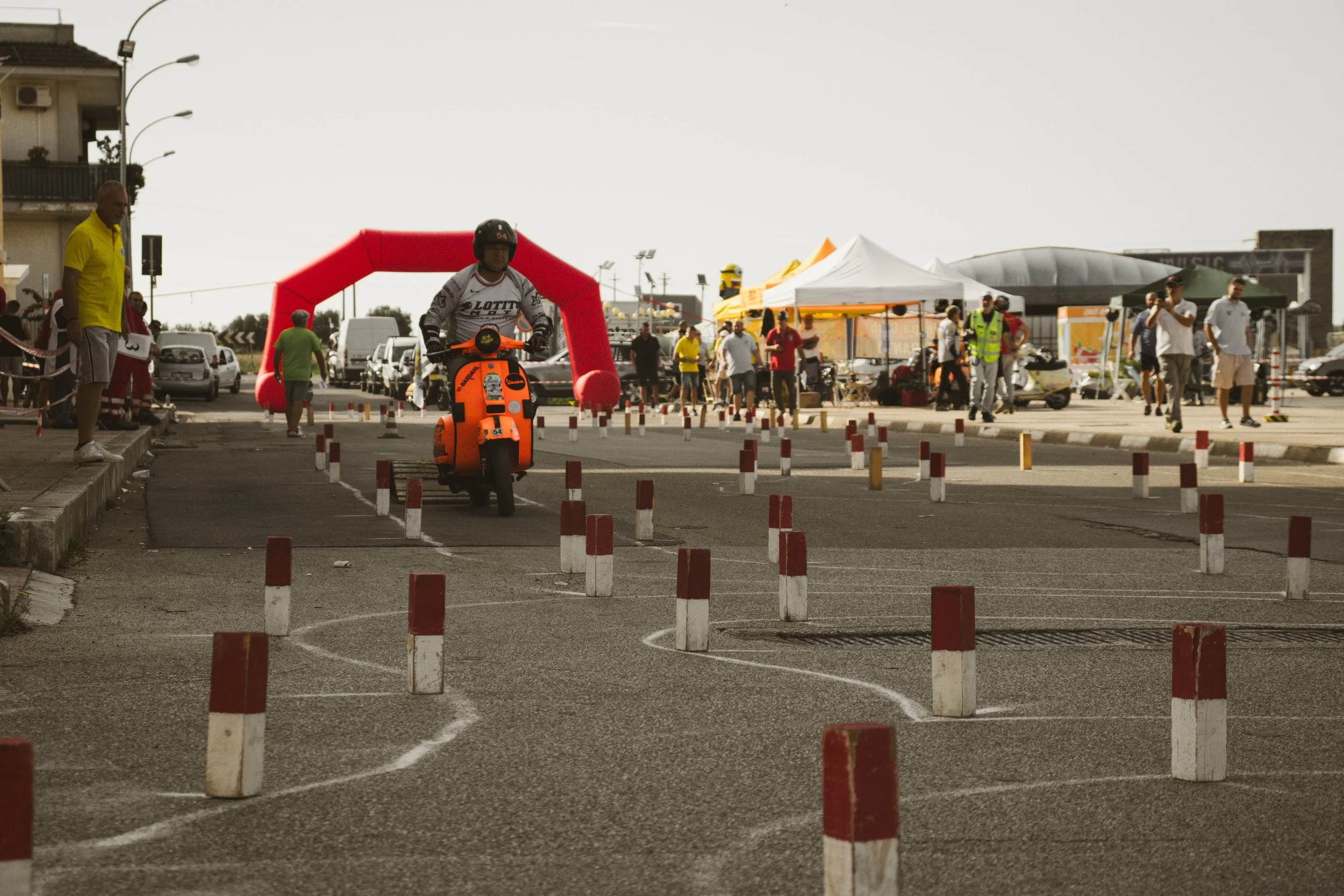
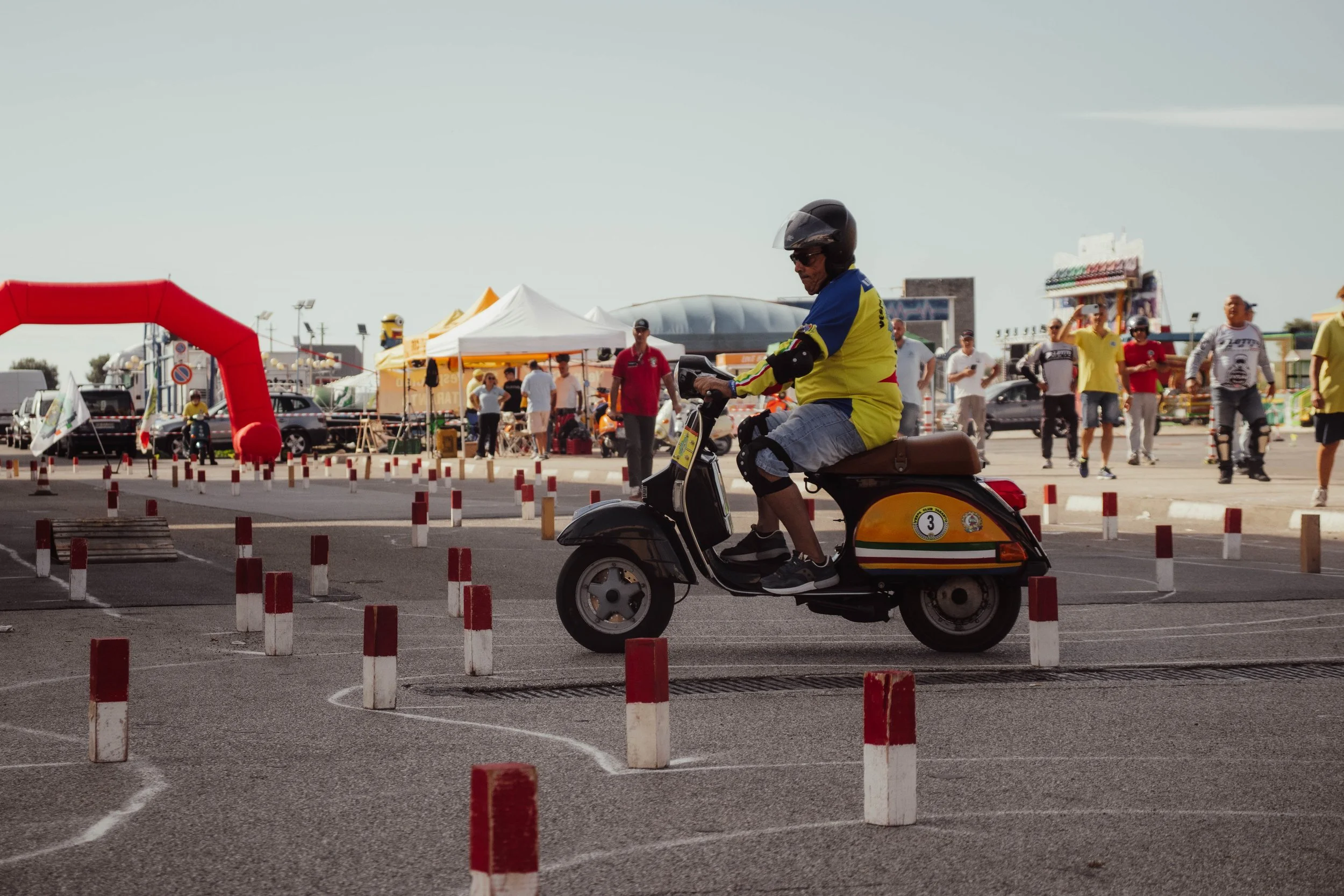
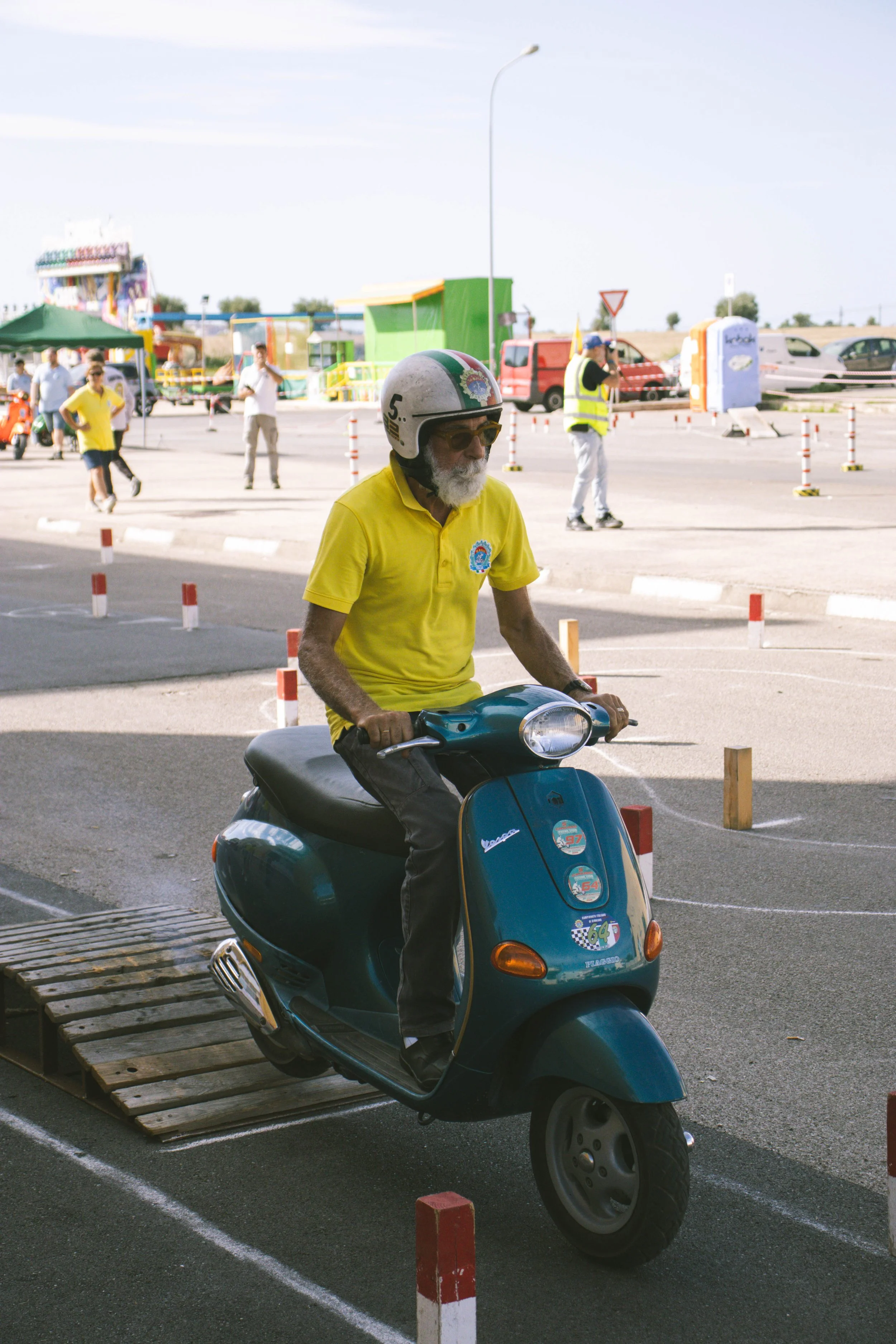
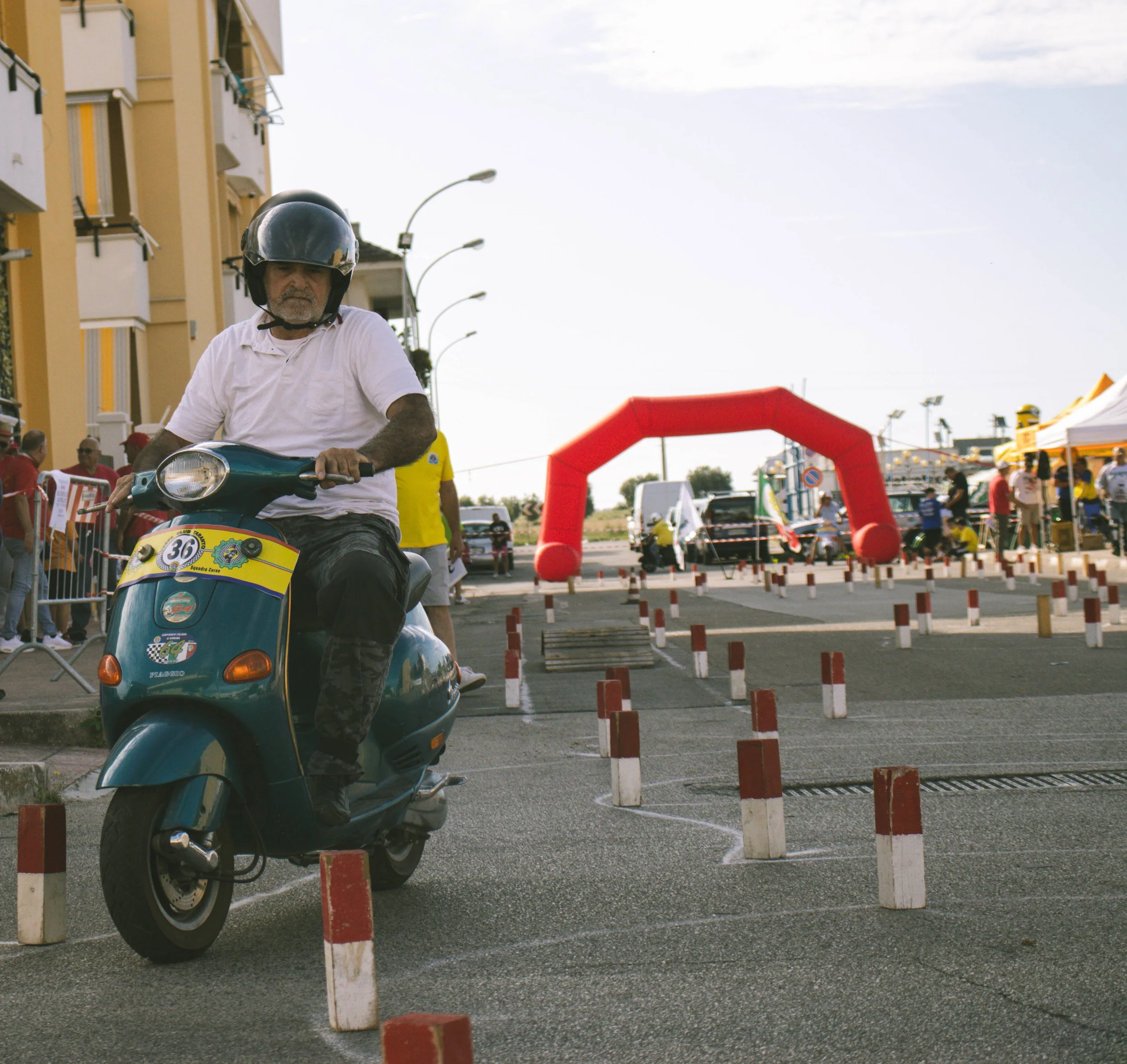
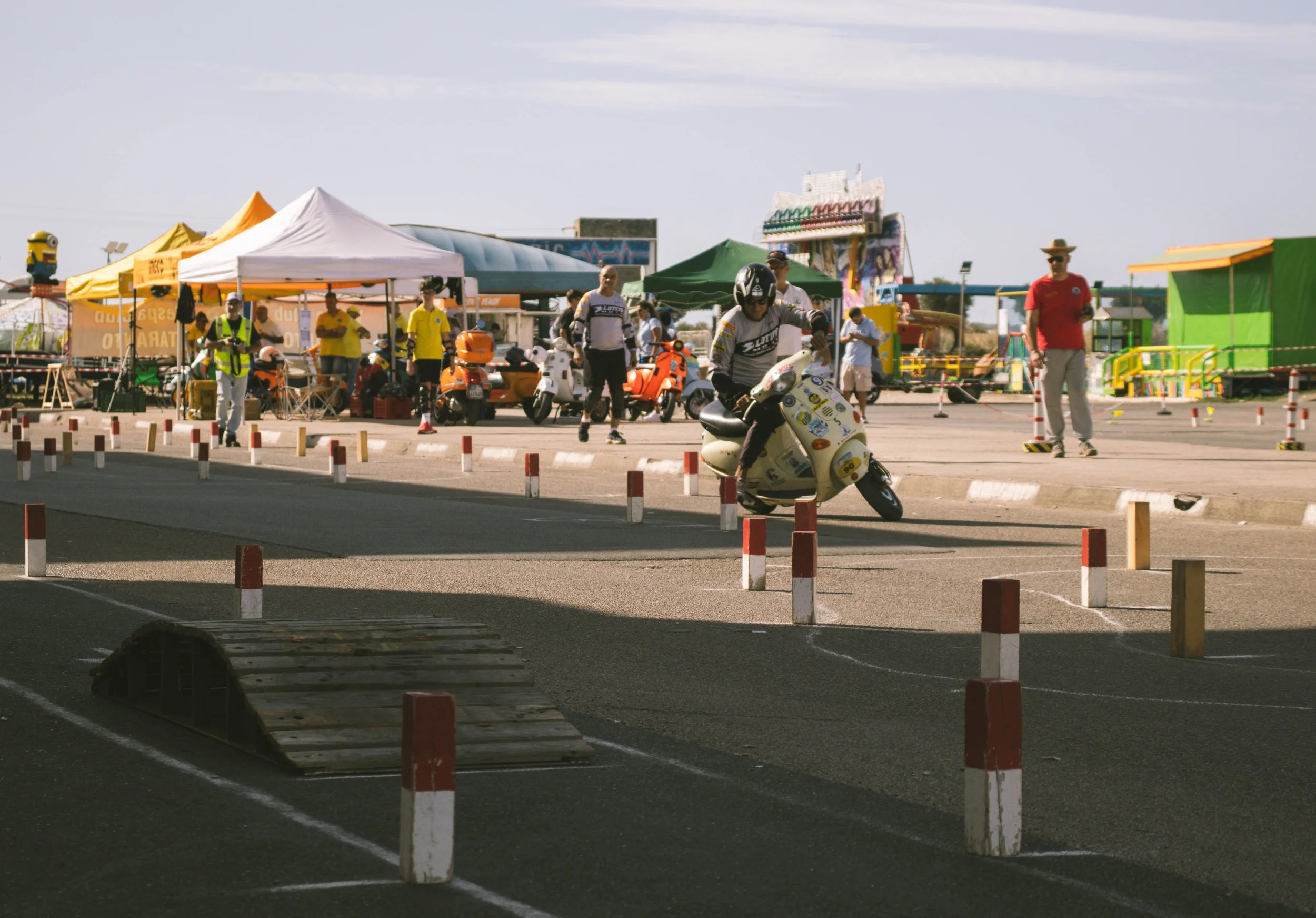
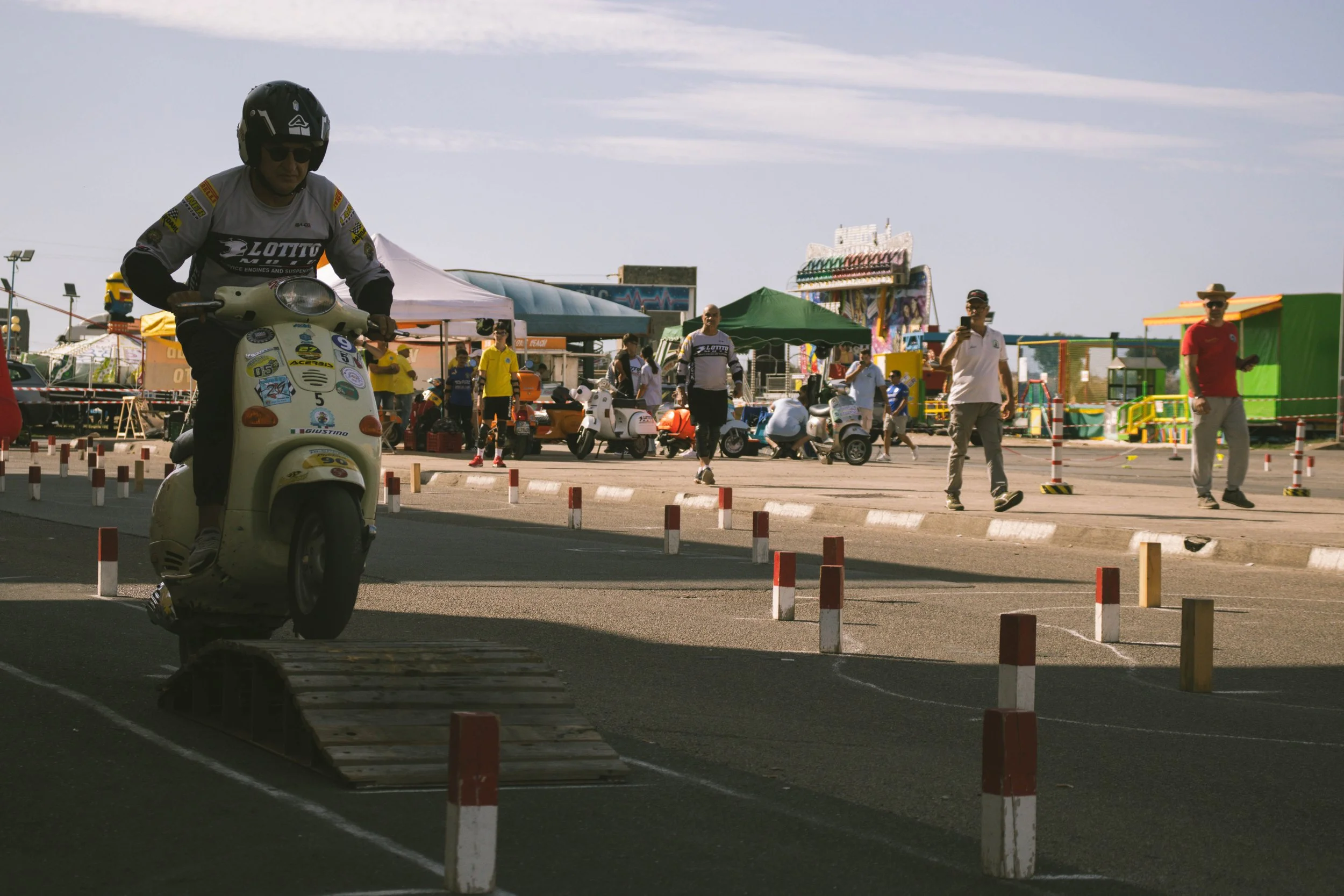
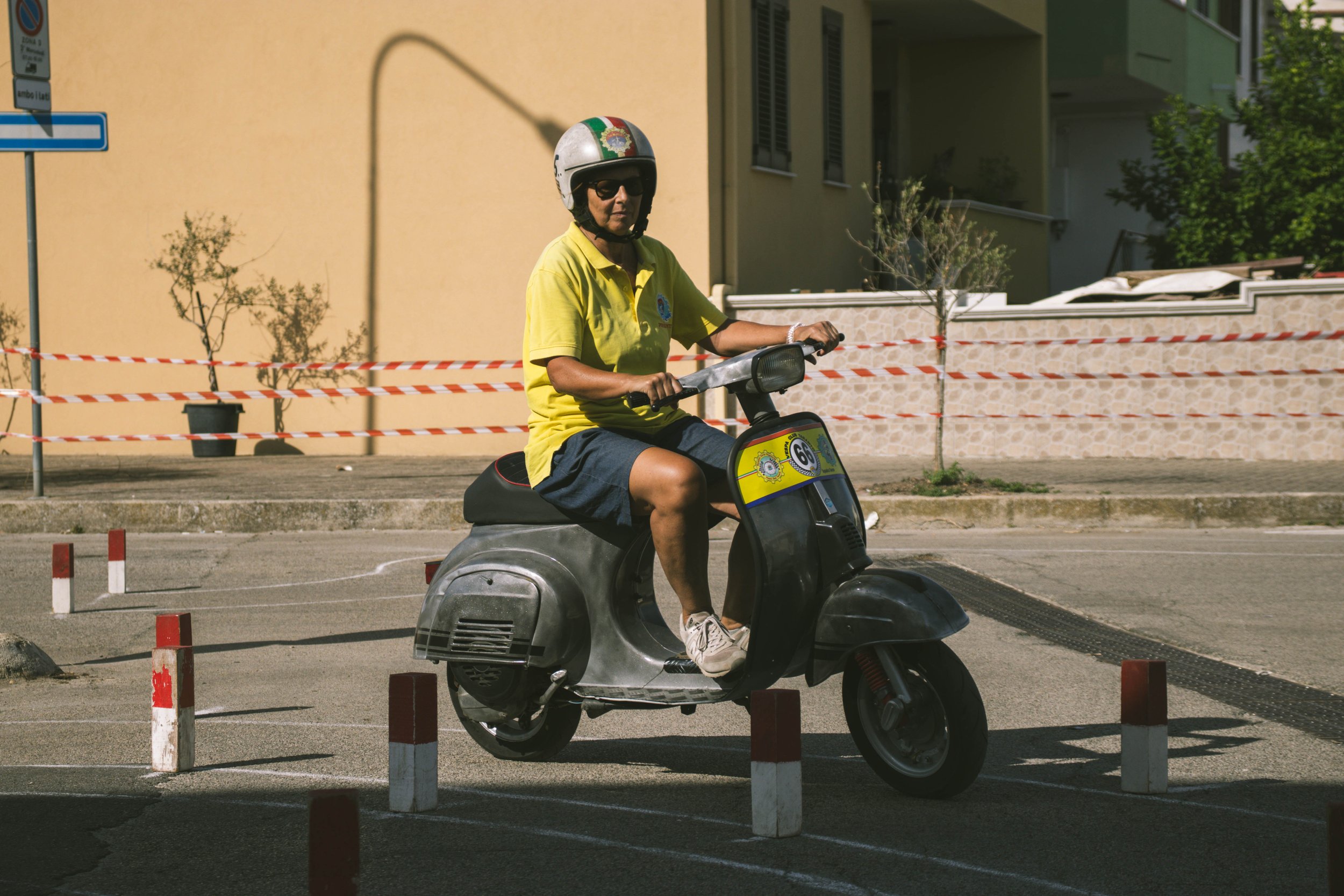
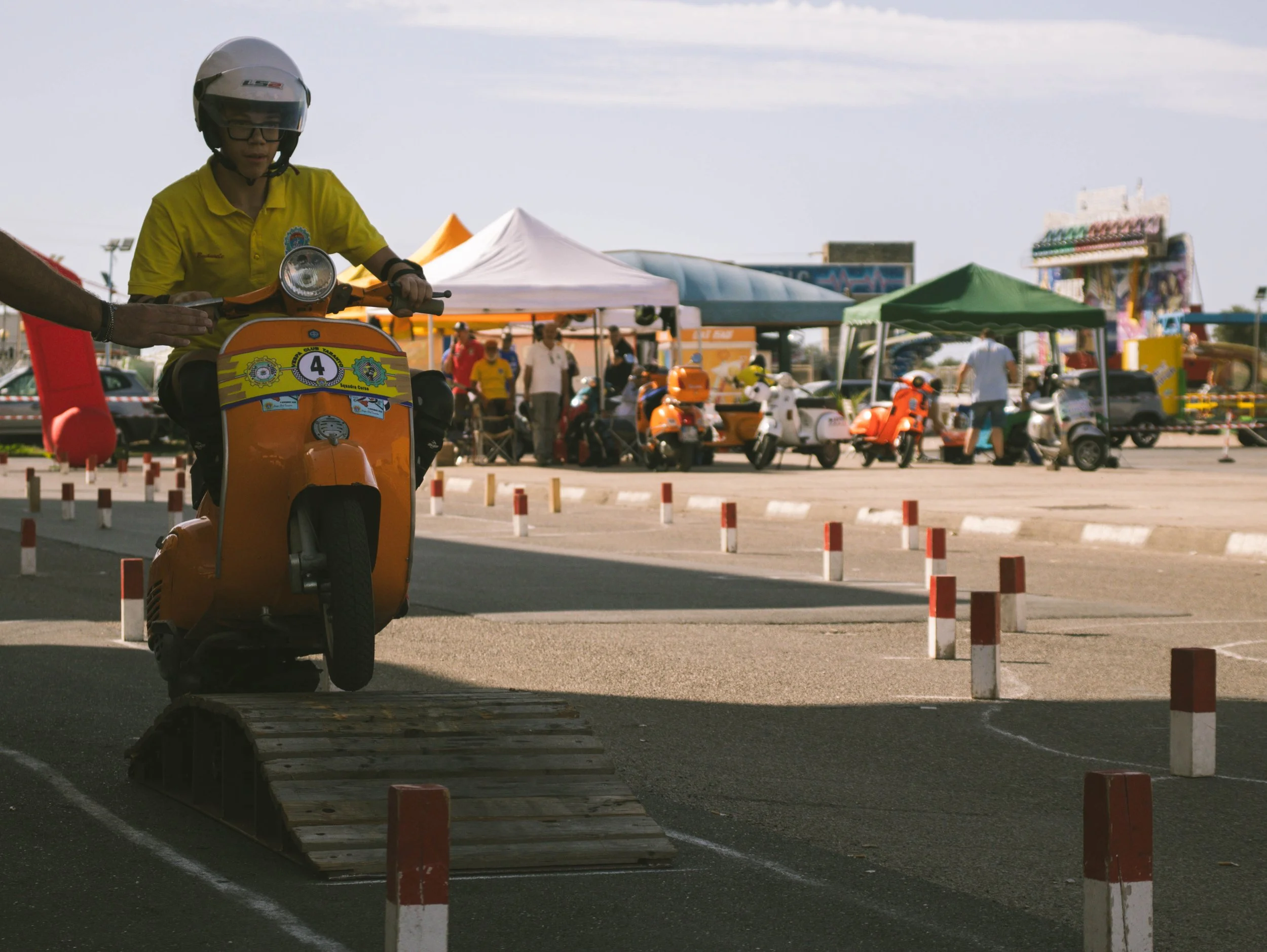
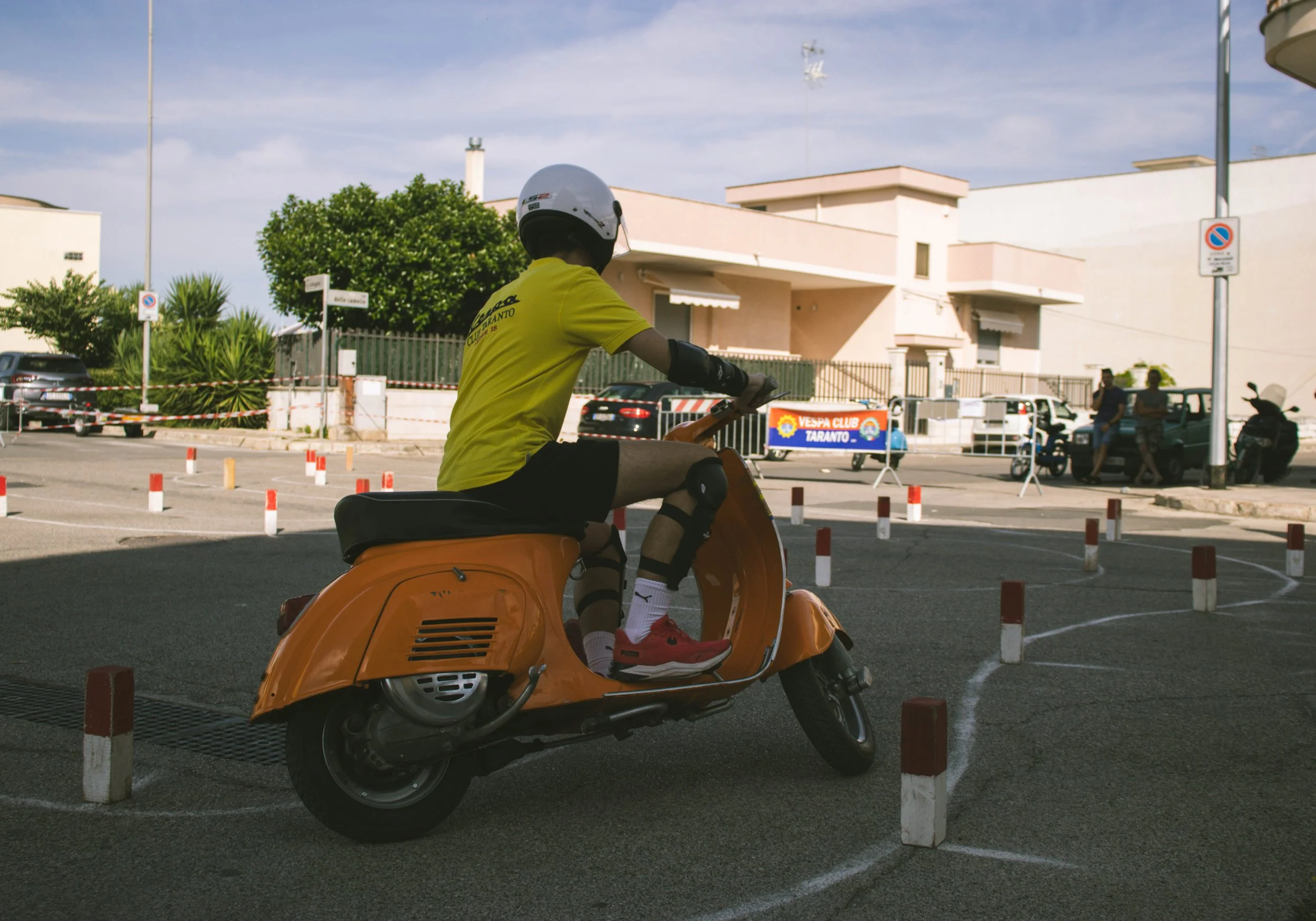
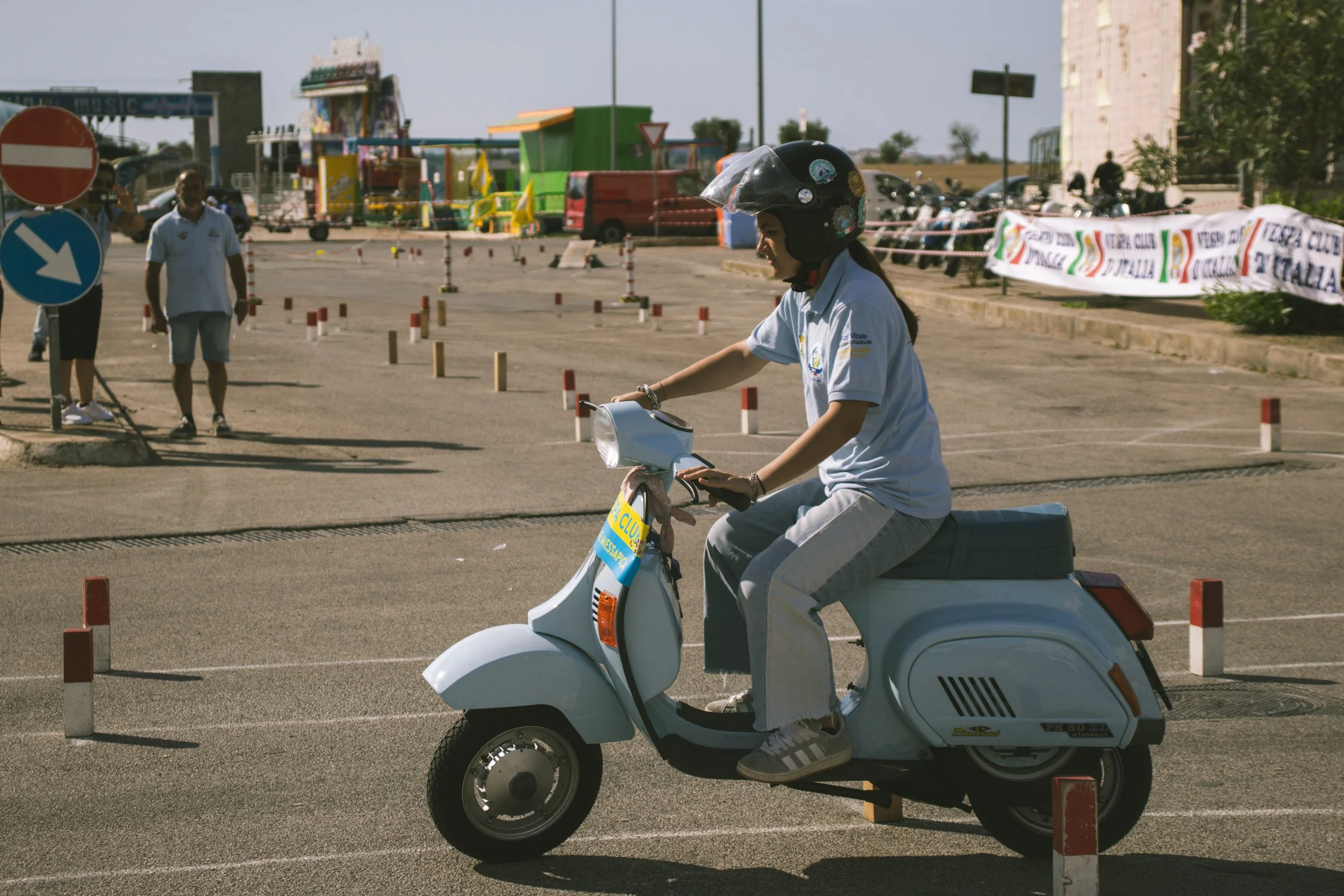
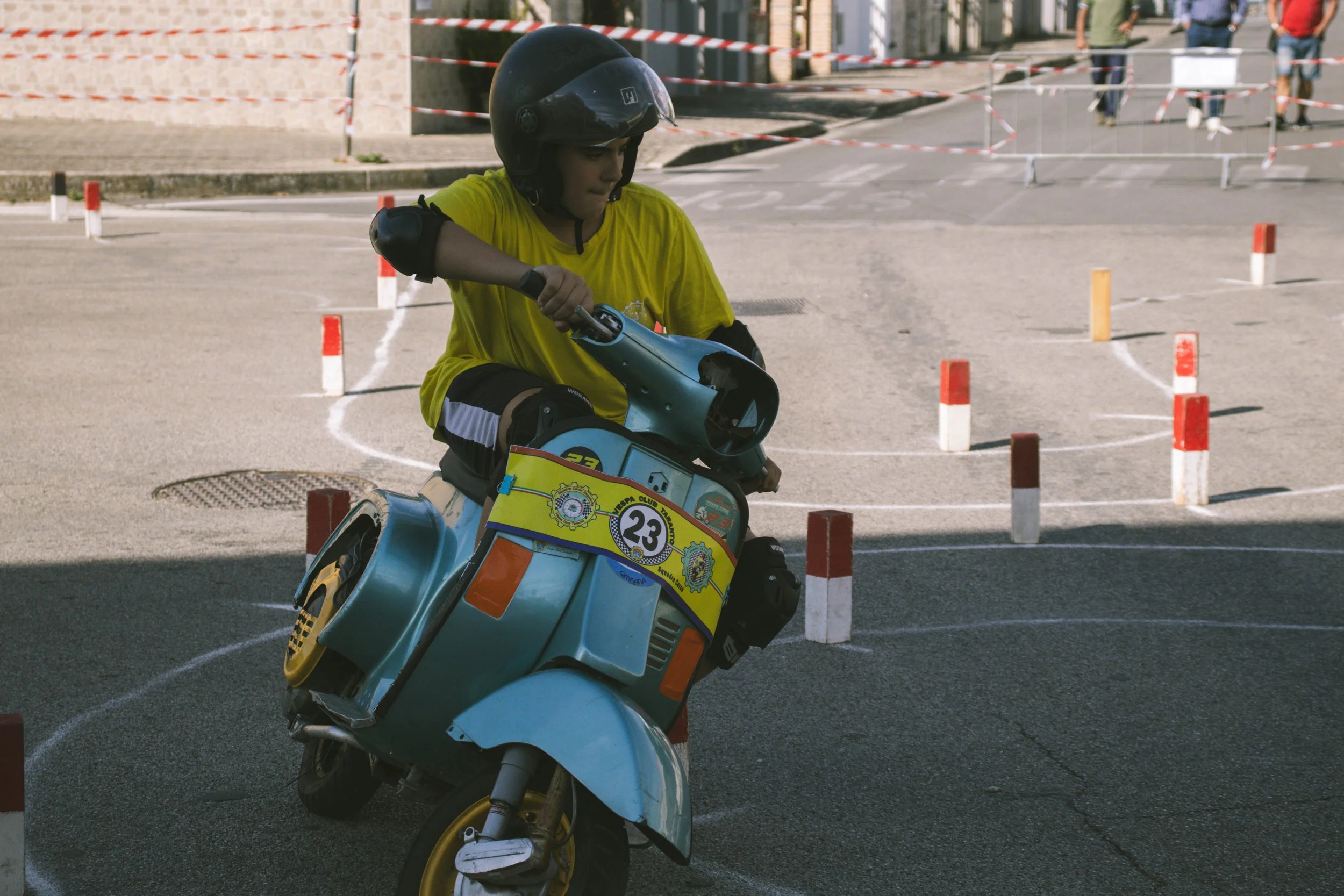
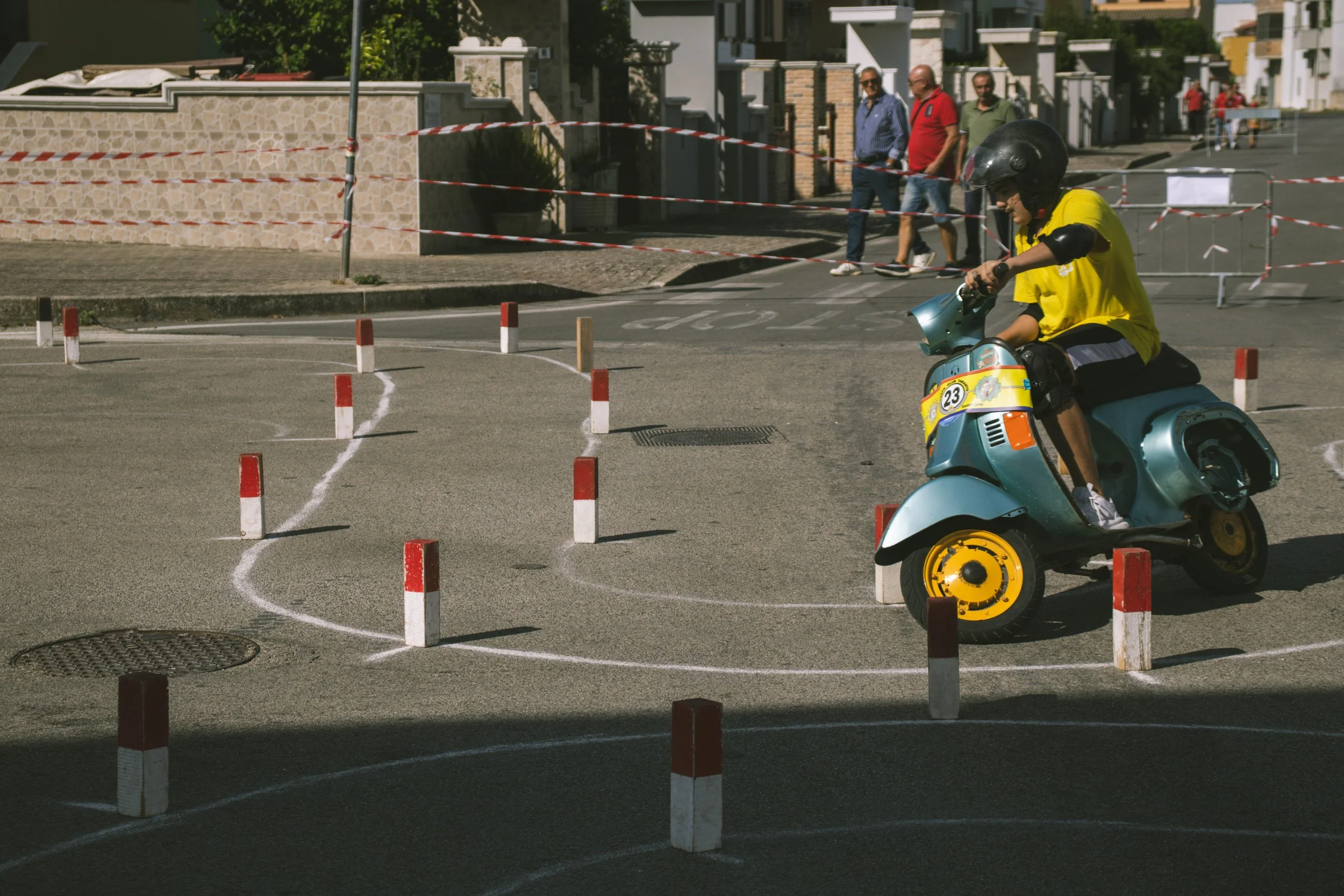
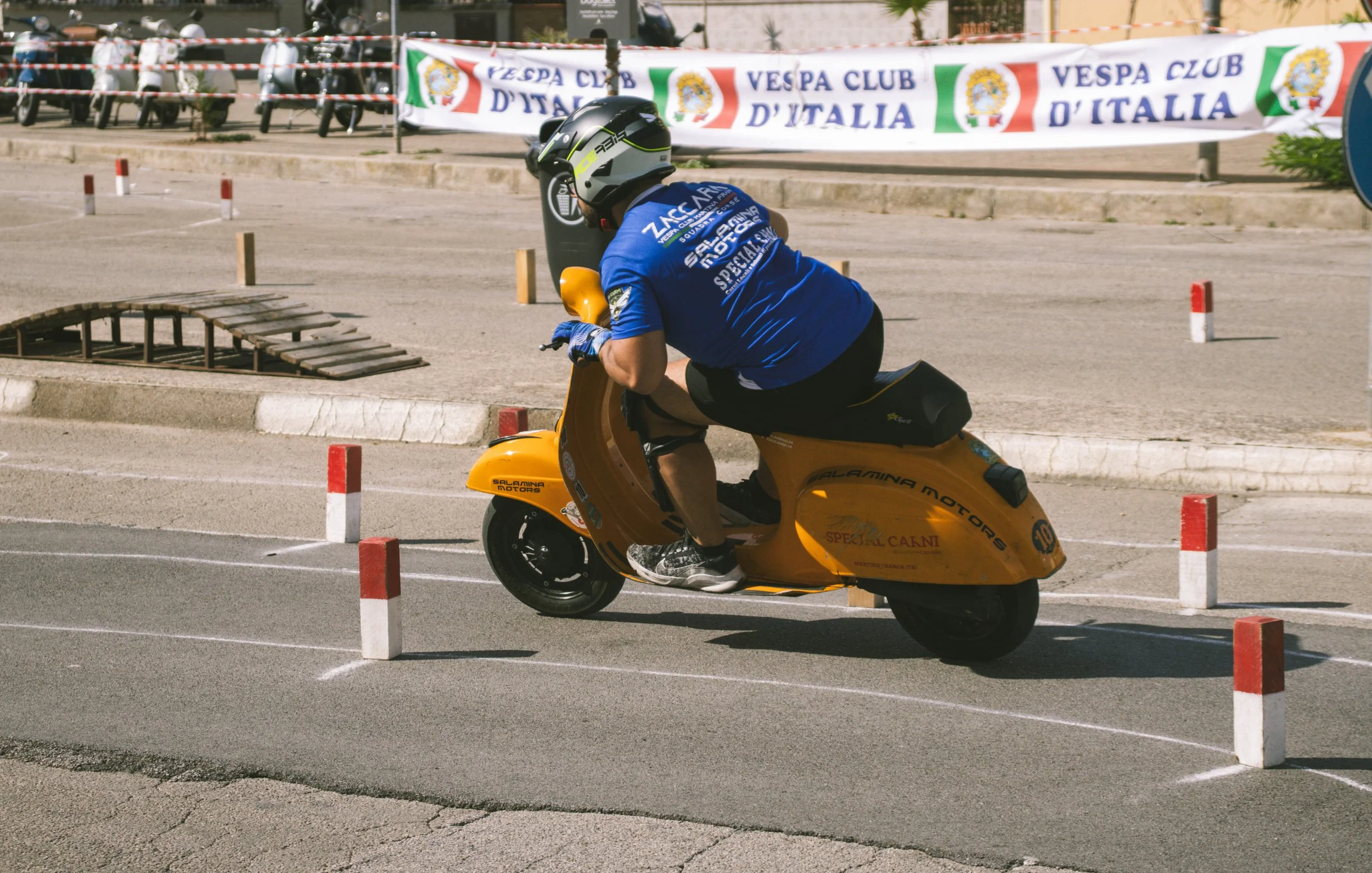
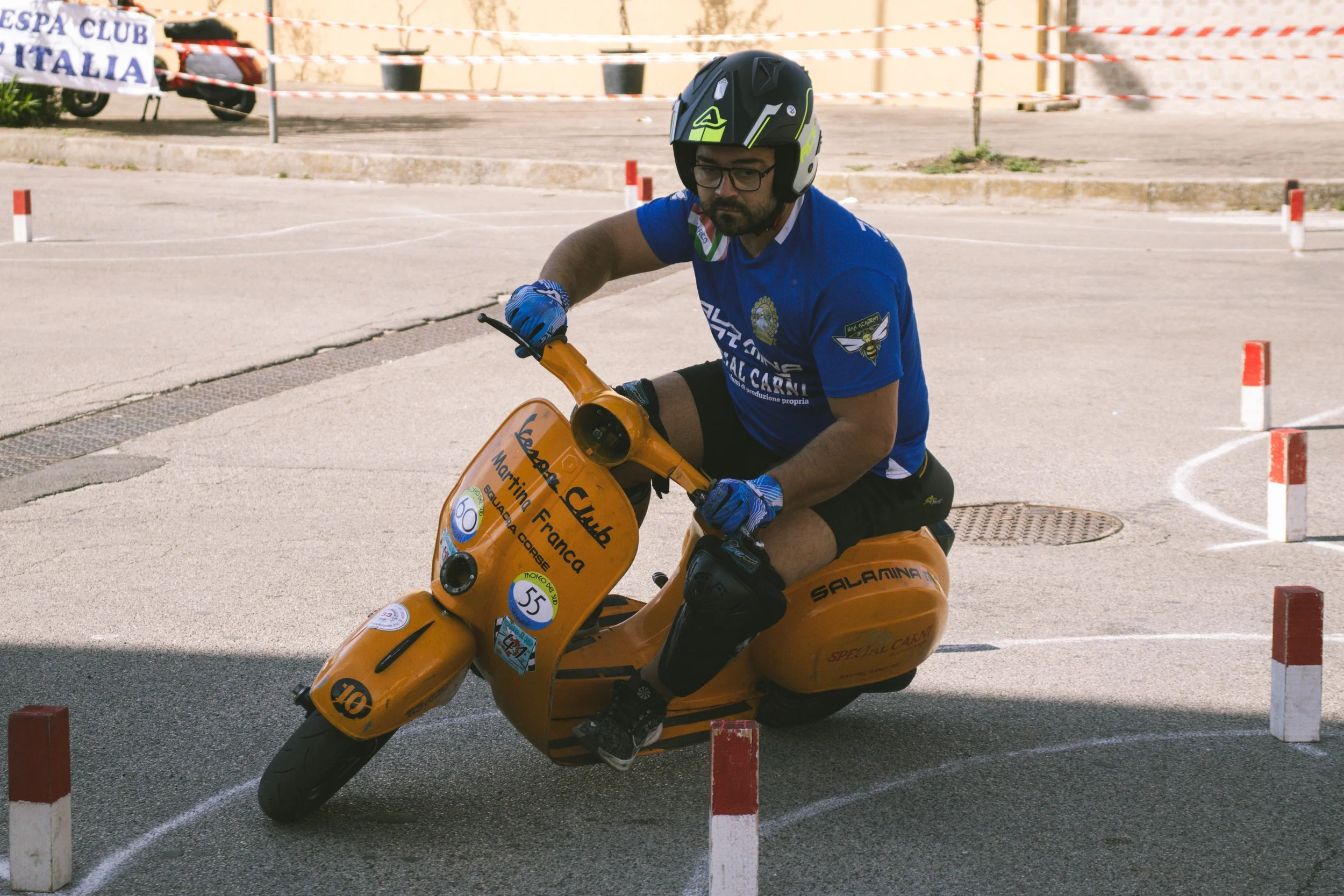
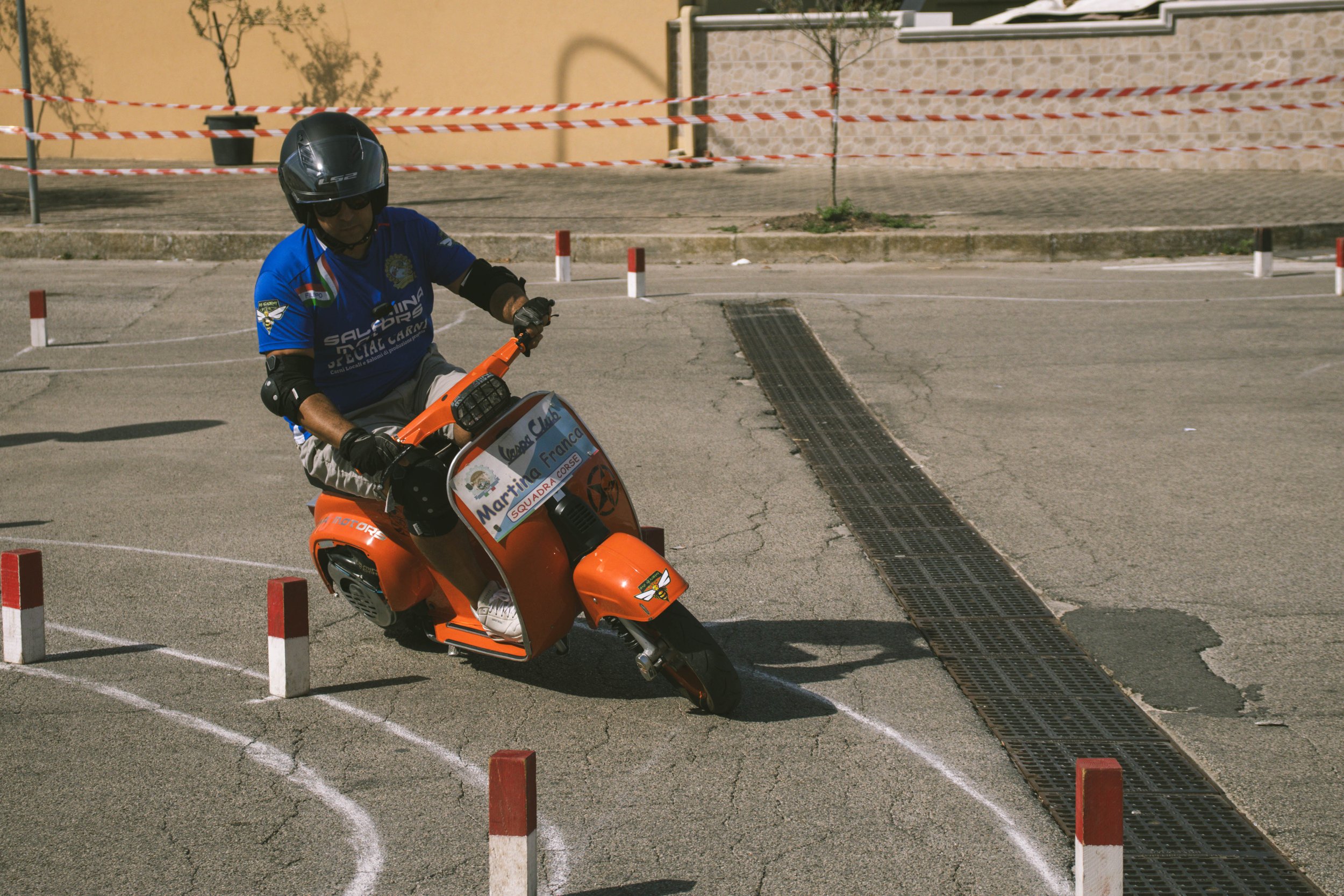
There are days when I feel the need to breathe a little fresh air. Not just stepping outside the studio or taking a break from daily tasks, but allowing myself a moment where photography returns to its most genuine roots: pure fun, curiosity, instinct. Not fine art, not complex projects, not the constant pressure to create something “serious.” Just the joy of looking, listening, and capturing.
This past Sunday was one of those occasions. I attended, as a spectator and observer, an interregional Vespa gimkana championship in Puglia and Basilicata. It’s a discipline of skill I didn’t know deeply before, but it surprised me with its contagious energy. The protagonists? The Piaggio Vespa, in different versions and ages, and above all the riders who ride them with passion, facing curves and slalom with a lightness that feels almost playful.
I wasn’t the official photographer of the event, and perhaps that was the most liberating detail: no rules to follow, no assignments to deliver, no deadlines to meet. Just me, my camera, and a new context to dive into. It was like going back to the early days, when taking pictures simply meant exploring without expectations. I observed the track, the riders preparing, the focus in their eyes. I followed, through the lens, the sudden trajectories, the fast turns, the precise maneuvers.
Gimkana racing is not pure speed like track competitions: it’s technique, balance, and precision. And for a photographer, it means chasing motion while never losing sight of the gesture. I discovered that mistakes aren’t the enemy here: sometimes a blur tells the story better than sharpness, capturing the vibration of a moment, the fleeting passage, the tension that transforms into dynamism.
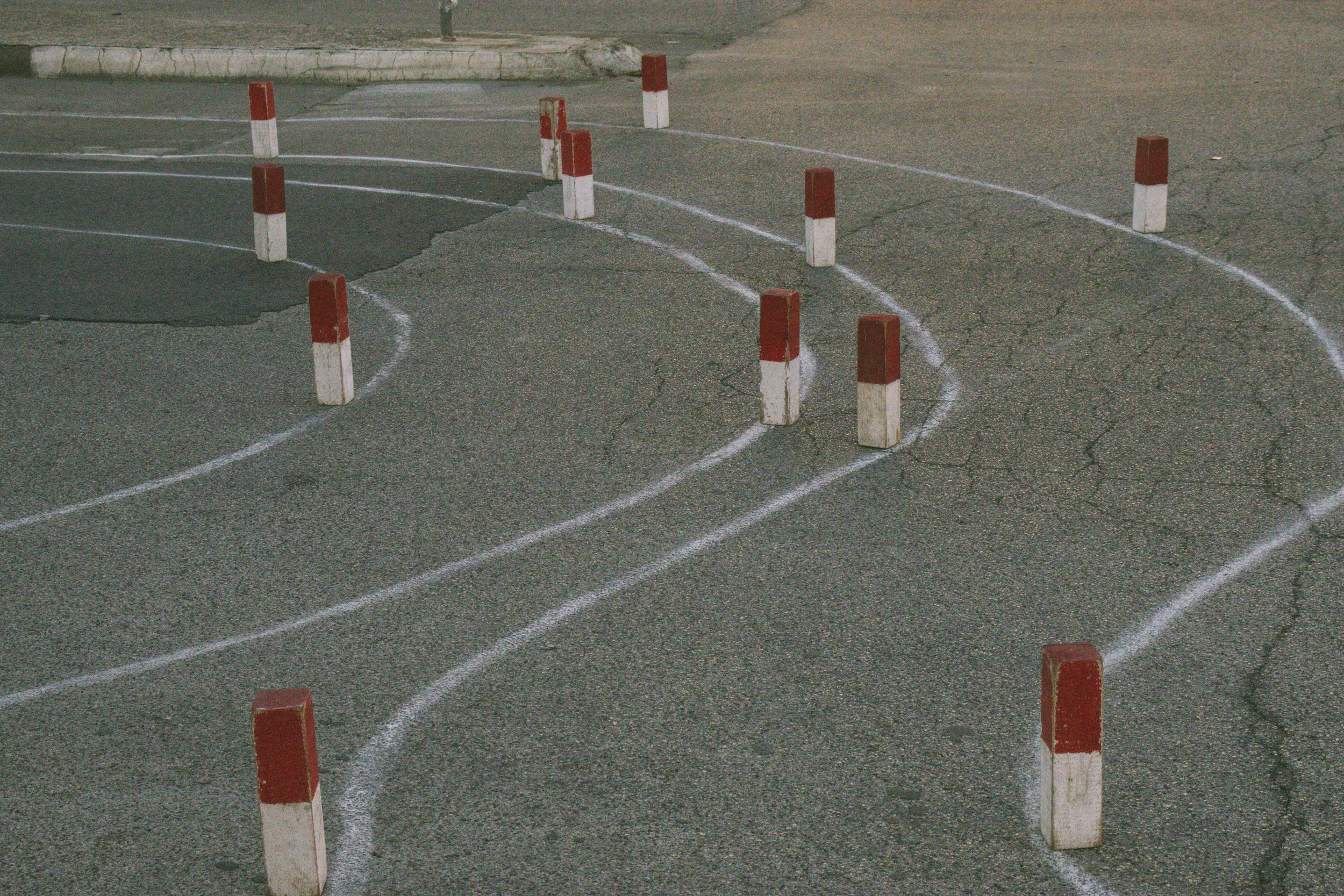
Around me, the audience. Families, enthusiasts, curious visitors. All united by one thing: a smile. The atmosphere was light, convivial, far away from the solemnity of an art exhibition or the silence of a gallery. And yet, even here, among the roar of engines and chalk-drawn curves, I found photographic material. Maybe not the kind that will end up in fine art photography portfolios, but definitely the kind that becomes part of my personal archive of memories and experiences.
This Sunday reminded me that photography is a language that adapts to everything: it can be an instrument of artistic research, a tool of documentary storytelling, but it can also remain a simple game. And within play lies a truth we often forget: there is no need for a “higher” purpose to give value to an image. It is enough that an eye turns into memory, that a fleeting instant remains carved into time, even if only for myself.
Some might ask: what does this have to do with fine art photography? Maybe little, maybe a lot. It depends on perspective. I believe that experiences like these feed the most genuine part of creative vision. They’re like stretching exercises for the eye and the mind: loosening up, stepping outside of one’s usual frameworks, experimenting with rhythms and situations that normally don’t belong to artistic practice. And when I return to structured projects, something fresh always sneaks in, shaped by these side experiences.
At the end of the day, driving back home, I realized how precious this break had been. A Sunday as sharp as the Vespas racing on the track. Sharp because it woke me up from a certain dullness, because it reminded me that photography is not only about work, recognition, or results. It’s also — and above all — about freedom of vision, the desire to be present, to capture ephemeral moments that will never return.
These images may not find a place in my official collections. They may never become prints or hang on a wall. But they are proof that there are times when I’ve lived photography with lightness, with authenticity, with joy. And that, I believe, is worth as much as any portfolio.
Alessandra Sanguinetti: time as a photographic narrative
To talk about Alessandra Sanguinetti is to enter a visual universe that moves between reality and fiction, between documentation and symbolic narrative. Born in New York in 1968, raised in Argentina and now living in the United States, Sanguinetti is a photographer who has chosen to build her work on long-term projects. She is not interested in the speed of visual consumption, but in the sedimentation of stories, the possibility that photography can become a window on time.
To talk about Alessandra Sanguinetti is to enter a visual universe that moves between reality and fiction, between documentation and symbolic narrative. Born in New York in 1968, raised in Argentina and now living in the United States, Sanguinetti is a photographer who has chosen to build her work on long-term projects. She is not interested in the speed of visual consumption, but in the sedimentation of stories, the possibility that photography can become a window on time.
Her name is often linked to The Adventures of Guille and Belinda, a series she began in the late 1990s and which continues today. Two Argentine girls – cousins – have become the unwitting protagonists of a photographic narrative that accompanies them from childhood to adulthood. These images are not simply portraits of two people: they are visible traces of how the years transform bodies, friendships and dreams, and at the same time of how photography can be the guardian of silent metamorphoses.
Beyond documentary: photography as personal myth
One of Sanguinetti's most fascinating aspects is her ability to go beyond pure documentation. Although her training and membership of Magnum Photos place her in the tradition of reportage and documentary photography, her images are never strictly chronicles.
In Guille and Belinda, for example, the shots are not limited to recording moments in the lives of the two girls. The scenes are often constructed with a certain amount of theatricality: poses, gestures, small symbolic objects. All this transforms the subjects into almost mythological figures, suspended in a realm that is as reminiscent of fairy tales as it is of dreams. The boundary between what happened and what was imagined becomes blurred, and this is precisely where the strength of his work lies: reality is not denied, but enriched by a poetic dimension.
His photography reminds us that truth is never just a fact, but also a feeling, a perception, a story that constructs meaning.
Il tempo come protagonista invisibile
Ciò che rende Sanguinetti unica nel panorama fotografico contemporaneo è la durata dei suoi progetti. In un’epoca segnata dall’istantaneità – in cui ogni immagine è consumata e dimenticata nel giro di pochi secondi – lei sceglie la via opposta: tornare, aspettare, osservare.
Seguiamo Guille e Belinda da bambine a donne, e con loro attraversiamo anche i cambiamenti sociali e culturali dell’Argentina rurale. La fotografia diventa un archivio intimo che documenta non solo due vite, ma anche un contesto più ampio. È un’opera che parla di memoria, di appartenenza, di radici.
In questo senso, Sanguinetti sembra lavorare contro il tempo, o meglio: con il tempo. Ogni sua immagine ci ricorda che la fotografia, pur essendo un frammento istantaneo, ha il potere di estendersi, di stratificarsi, di raccontare più di ciò che appare in superficie.
Sguardo femminile e intimità
Un altro elemento centrale del lavoro di Sanguinetti è la prospettiva femminile. Nei suoi ritratti emerge un’intimità che difficilmente sarebbe raggiungibile con un approccio distaccato. La sua relazione con le due protagoniste è fatta di fiducia reciproca, di affetto e vicinanza. Questo legame traspare dalle immagini e ne costituisce la forza emotiva.
Non c’è voyeurismo, non c’è distanza: piuttosto, un’alleanza silenziosa tra fotografa e soggetti. Questo aspetto apre anche una riflessione sul ruolo dell’autore nella fotografia contemporanea: quanto possiamo essere testimoni neutrali? E quanto, invece, il nostro sguardo modifica, interpreta e addirittura inventa ciò che vediamo?
Sanguinetti non nasconde questa ambivalenza, anzi la valorizza. Nei suoi scatti, l’intimità diventa linguaggio, e lo sguardo femminile si fa strumento per indagare la crescita, la vulnerabilità, l’identità.
La fotografia come racconto universale
Pur nascendo da una storia personale e locale, il lavoro di Alessandra Sanguinetti ha una portata universale. Chi guarda Guille and Belinda riconosce nelle immagini frammenti della propria esperienza: l’amicizia, l’infanzia, la trasformazione, la perdita di innocenza. È questo equilibrio tra particolare e universale che rende il suo lavoro così potente.
La sua ricerca visiva continua anche in altri progetti, sempre legati al rapporto con le persone e al desiderio di costruire narrazioni fotografiche a lungo termine. Ma è soprattutto con Guille e Belinda che la fotografa argentina ha lasciato un segno duraturo: un corpus di immagini che, come un romanzo visivo, accompagna lo spettatore pagina dopo pagina, anno dopo anno.
perché parlarne oggi
Raccontare Alessandra Sanguinetti significa ricordarci che la fotografia non è solo estetica o tecnica, ma anche tempo, relazione, memoria. In un’epoca di immagini effimere, il suo lavoro ci invita a rallentare e a considerare la fotografia come un viaggio, non come un istante isolato.
Per un’associazione fotografica, discutere del suo approccio è anche un’occasione per riflettere su quanto la pratica fotografica possa essere più di un gesto estetico: può diventare un modo di costruire legami, di interrogare la realtà e di restituirle nuove forme narrative.
Che si tratti di guardare le immagini di Guille e Belinda o di esplorare i suoi altri progetti, l’impressione è sempre la stessa: la fotografia, nelle mani di Alessandra Sanguinetti, è uno strumento per ascoltare il tempo e trasformarlo in racconto.
No photographs are included that violate copyright laws. Please consult the appropriate sources for further information.
London Through My Lens | Photography & City Inspiration
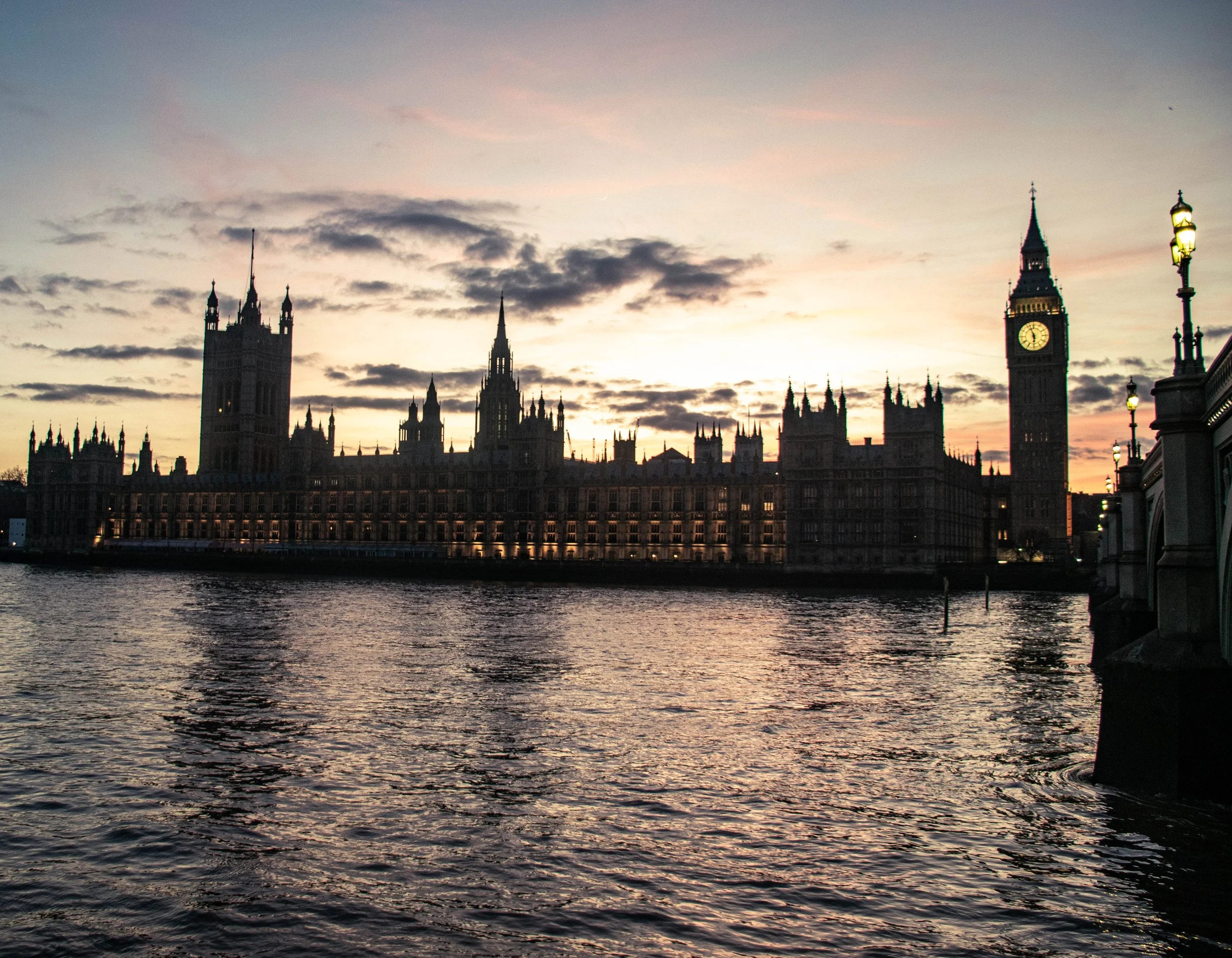
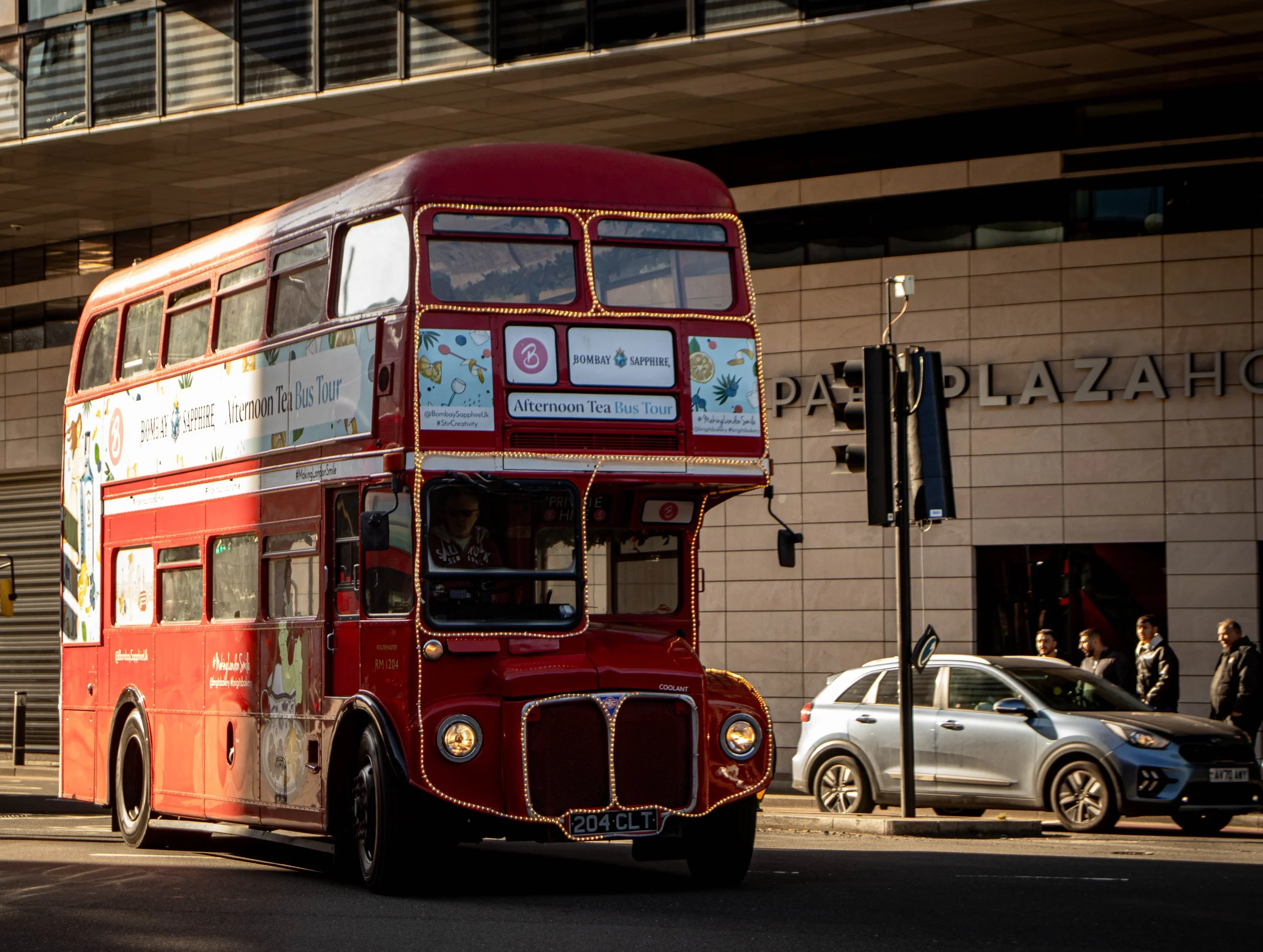
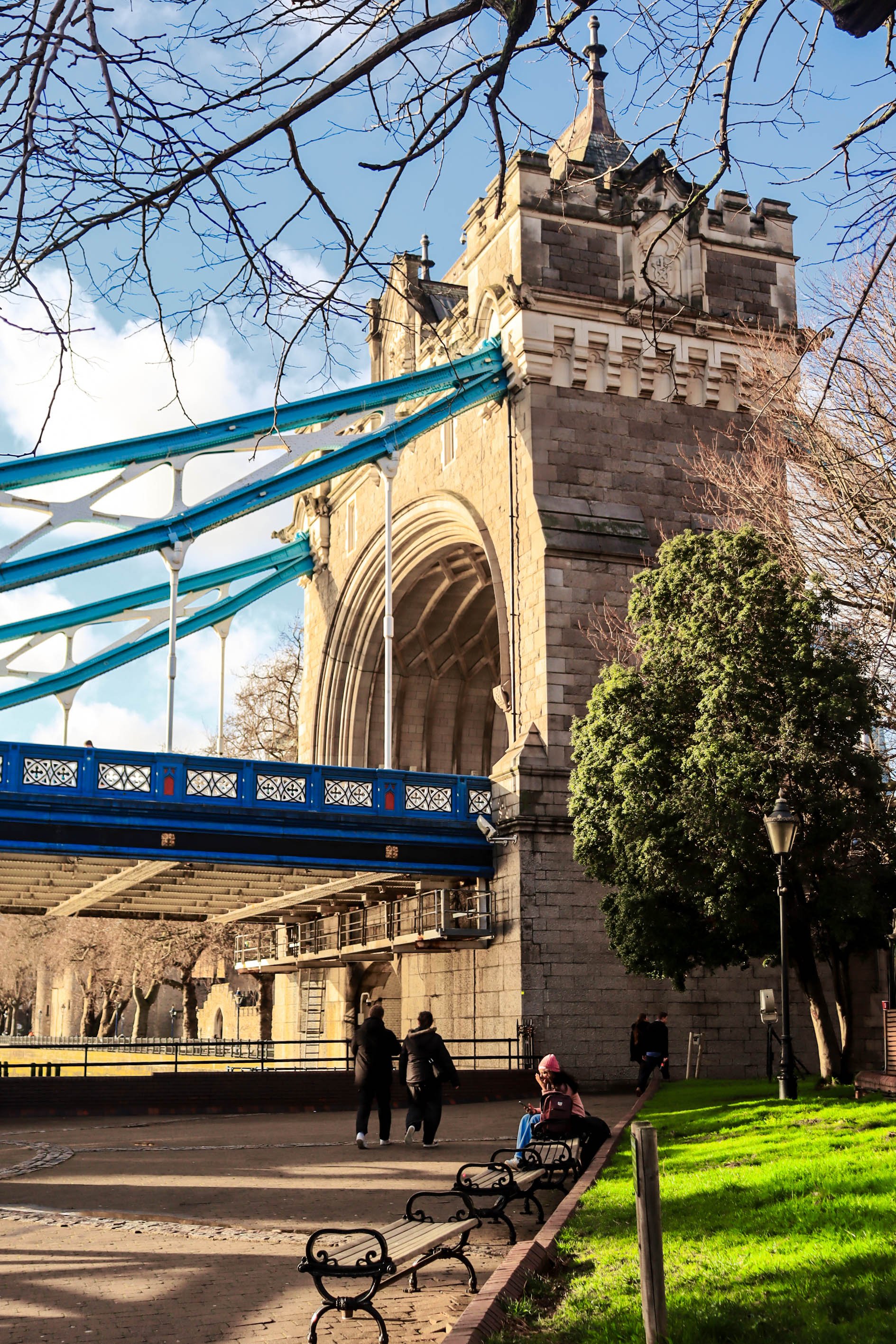
The United Kingdom has always held a unique fascination for me. I’ve visited cities such as Birmingham and Cardiff, but it is London that keeps calling me back, again and again. Each return feels different: the city seems to have something new to reveal, as if it were constantly in dialogue with those who look at it closely.


A Special Bond with the United Kingdom
The United Kingdom has always fascinated me. Over the years, I’ve explored cities like Birmingham and Cardiff, yet it is London that continuously calls me back. Every visit feels unique, as if the city is in constant conversation with those who take the time to observe it carefully.
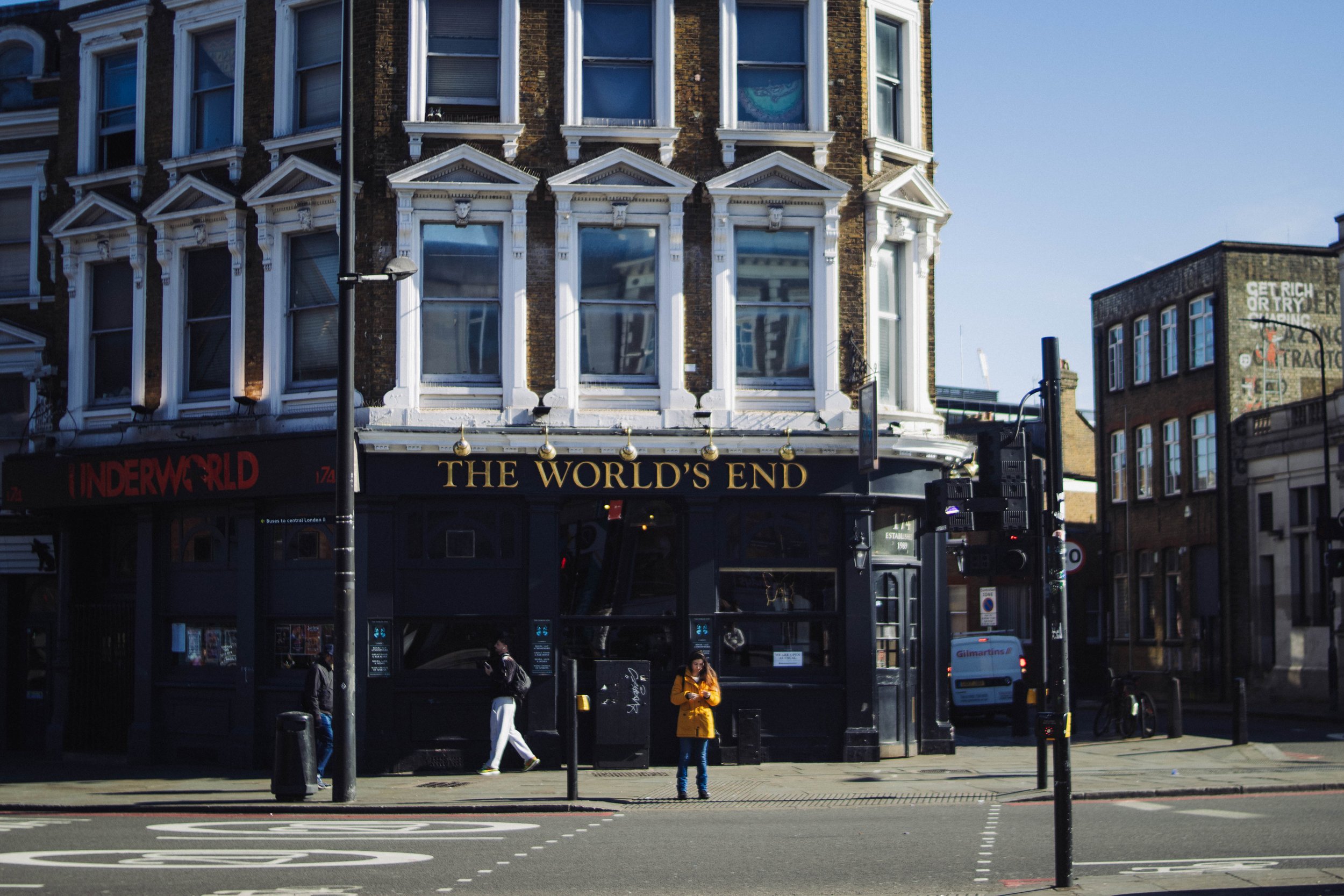
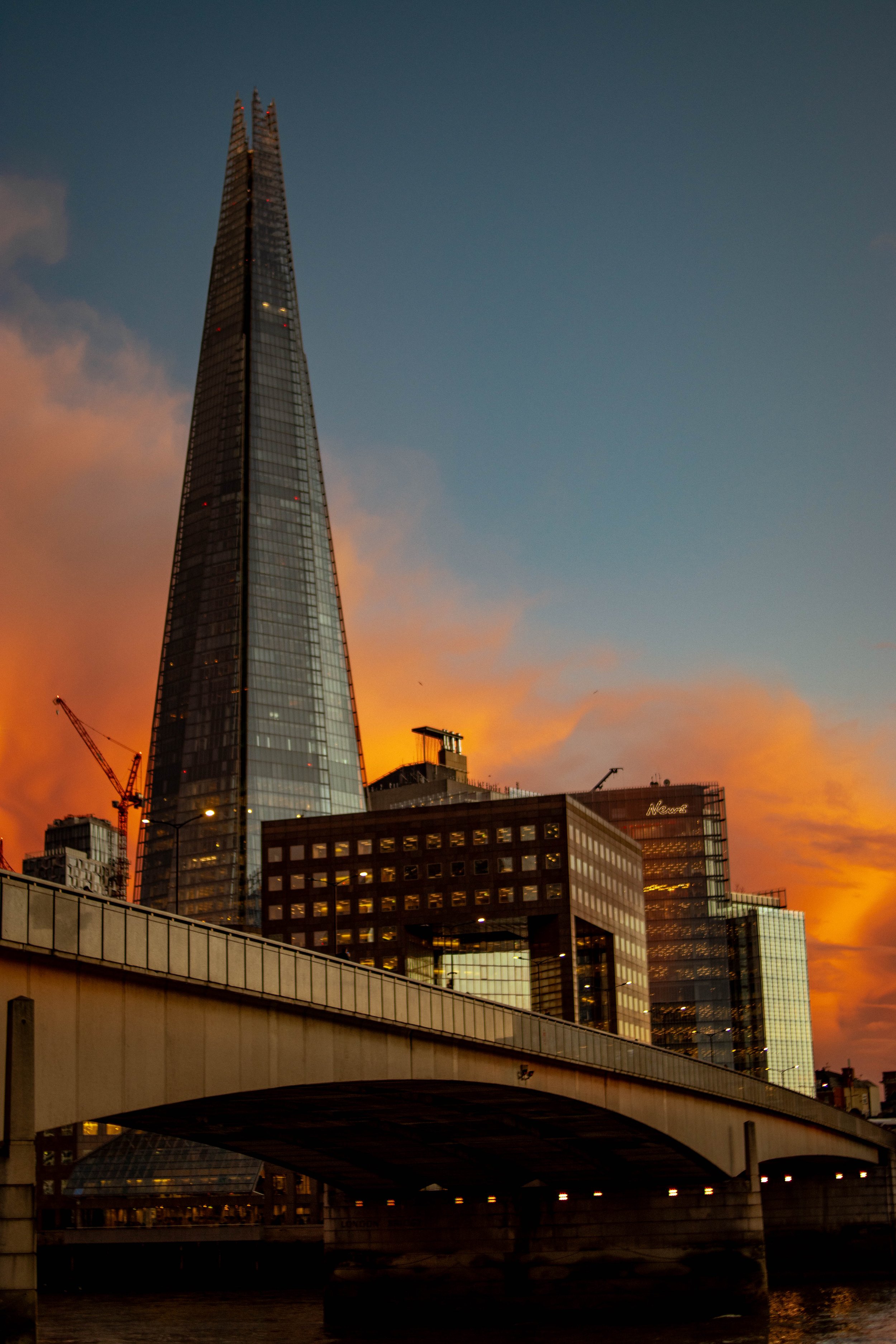
London is more than a destination; it is a living, breathing source of inspiration for anyone who loves culture, history, and photography. From historic landmarks to contemporary architecture, London’s contrasts make every street a canvas for exploration.
London, a City That Surprises at Every Corner
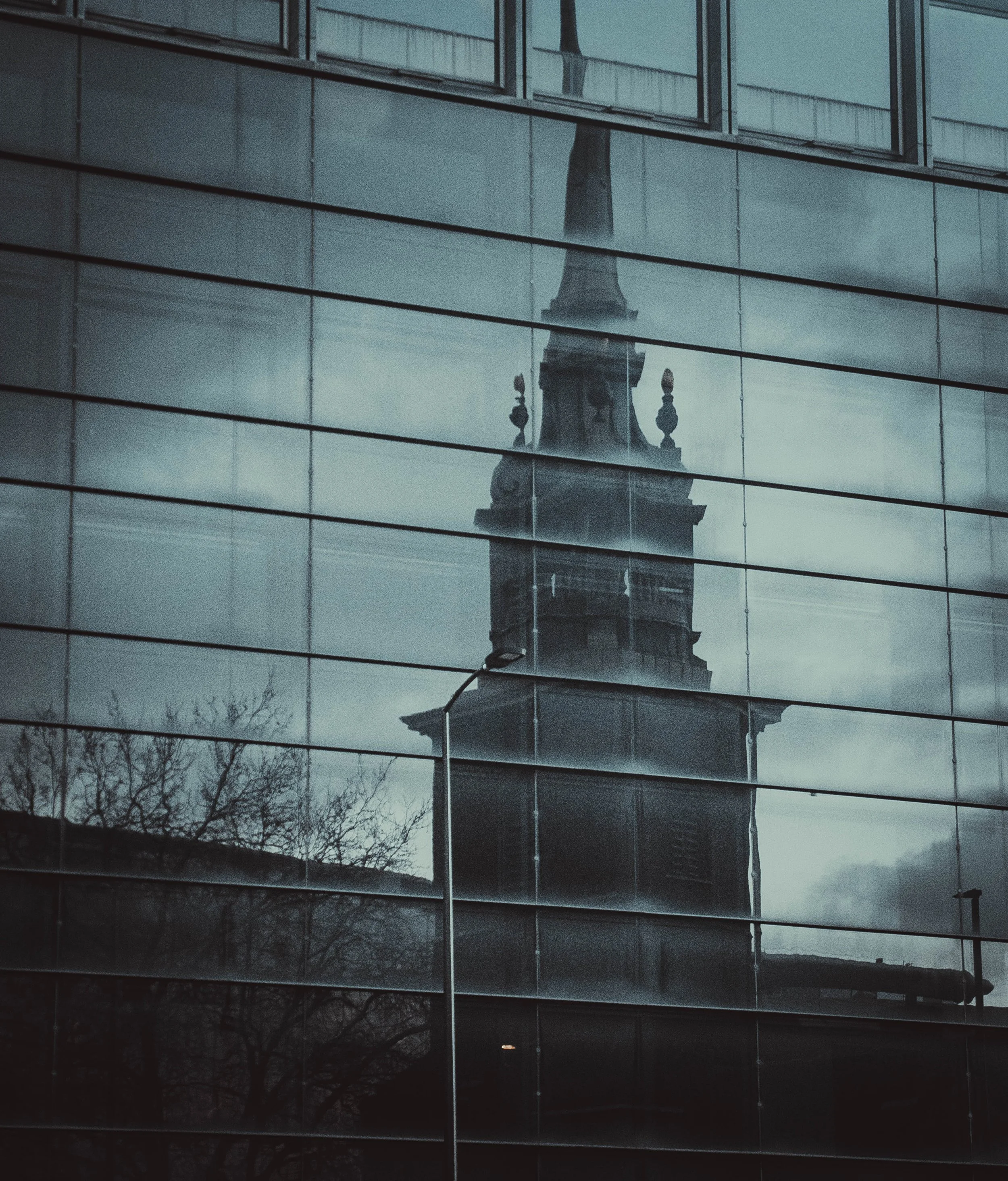
Walking through London is a journey across contrasts. Ancient history coexists with modern life: grand cathedrals share space with skyscrapers, and serene parks like Hyde Park or Regent’s Park offer a peaceful pause before you dive back into the city’s energy.
What fascinates me most is London’s diversity. Cultures, languages, faces, and stories converge here, making every corner a microcosm of the world. This blend encourages open-minded observation and invites photographers to notice subtle details that often go unnoticed.
Photography as a Dialogue with the City
For a photographer, London is an endless playground. The city offers striking contrasts: old and new, quiet and chaotic, symmetrical geometry and spontaneous imperfections. Every street, alley, or square has the potential to become a captivating frame.
Capturing London is about more than taking photos—it’s about listening to the city, interpreting its rhythm, and finding connections between elements that initially seem unrelated. In this sense, photography becomes a dialogue between the observer and the urban environment.
Museums and Endless Sources of Inspiration
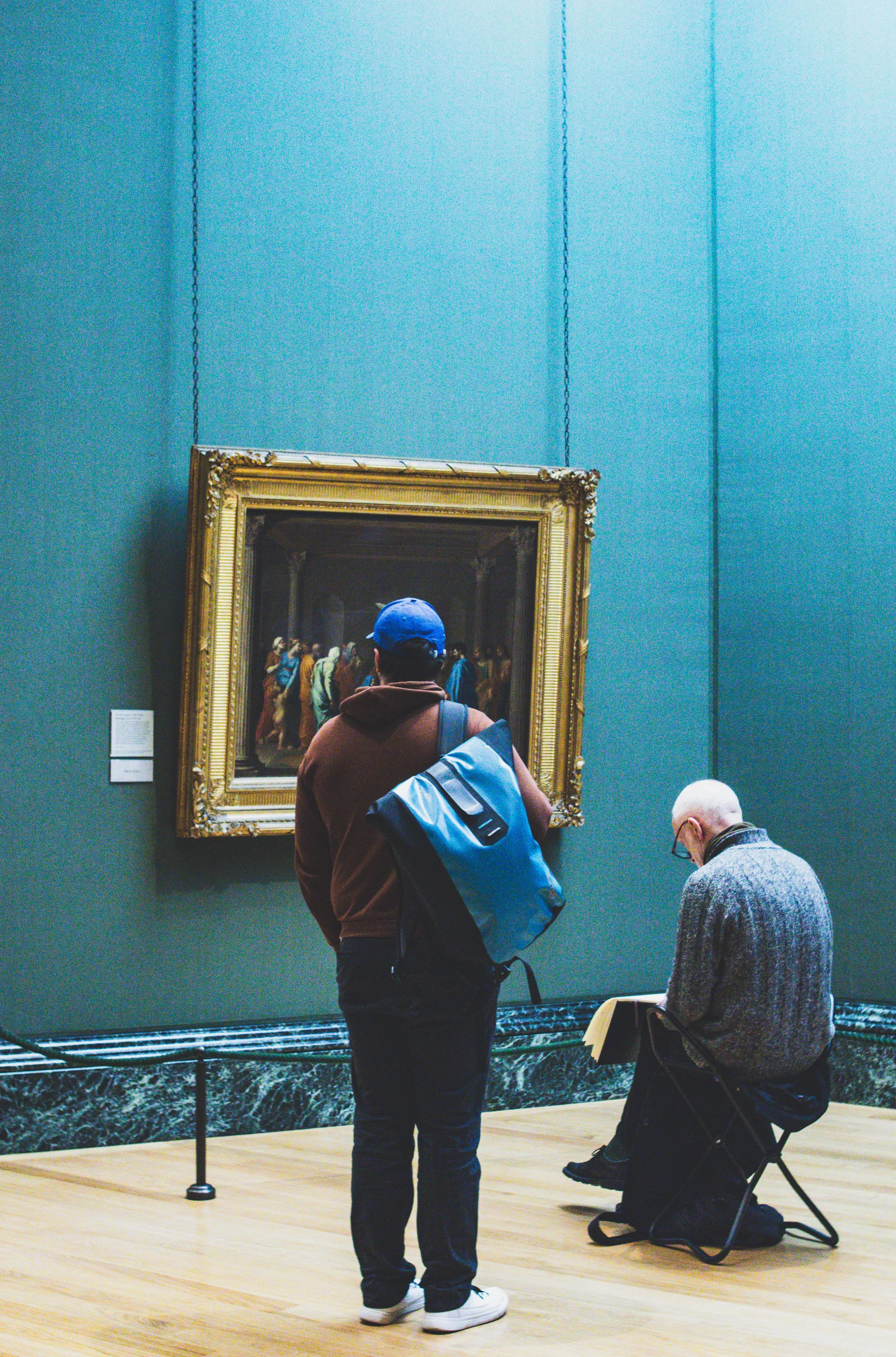
London is home to some of the world’s most iconic museums, each offering a wealth of artistic inspiration. I have visited the British Museum, the Victoria & Albert Museum, and the National Gallery multiple times, each visit revealing new insights.
Tate Modern remains on my “to-explore” list, a promise of future discoveries. For photographers and art lovers alike, London’s museums provide a deep dive into culture, history, and creativity, enriching both personal perspective and artistic vision.
A Personal Memory at Piccadilly Circus
One of my most cherished moments in London was a quiet afternoon at Caffè Concerto, near Piccadilly Circus. I sat with a cup of tea and a slice of mille-feuille, watching life unfold outside the window.
Red double-decker buses raced through the streets, tourists and locals mingled, and historic architecture framed the vibrant scene. It was a simple pause, yet it became a profound moment of inspiration. London has a unique way of revealing beauty even in ordinary moments, offering photographers endless opportunities to capture the city’s soul.
Losing Myself to Find Myself Again
If I had to describe London in a few words, I would say it is a city where memory and future coexist. Each visit allows me to lose myself and find myself anew, uncovering hidden corners, unexpected details, and new stories.
Every walk through London opens doors to fresh perspectives, enriching my work as a photographer and my life as an observer. It’s a city that constantly inspires, challenges, and rewards those willing to truly see it.
London continues to inspire me and finds its way, in subtle and profound ways, into my photography.
If this visual language speaks to your space, you can explore more works.
The Beauty and the Shoot
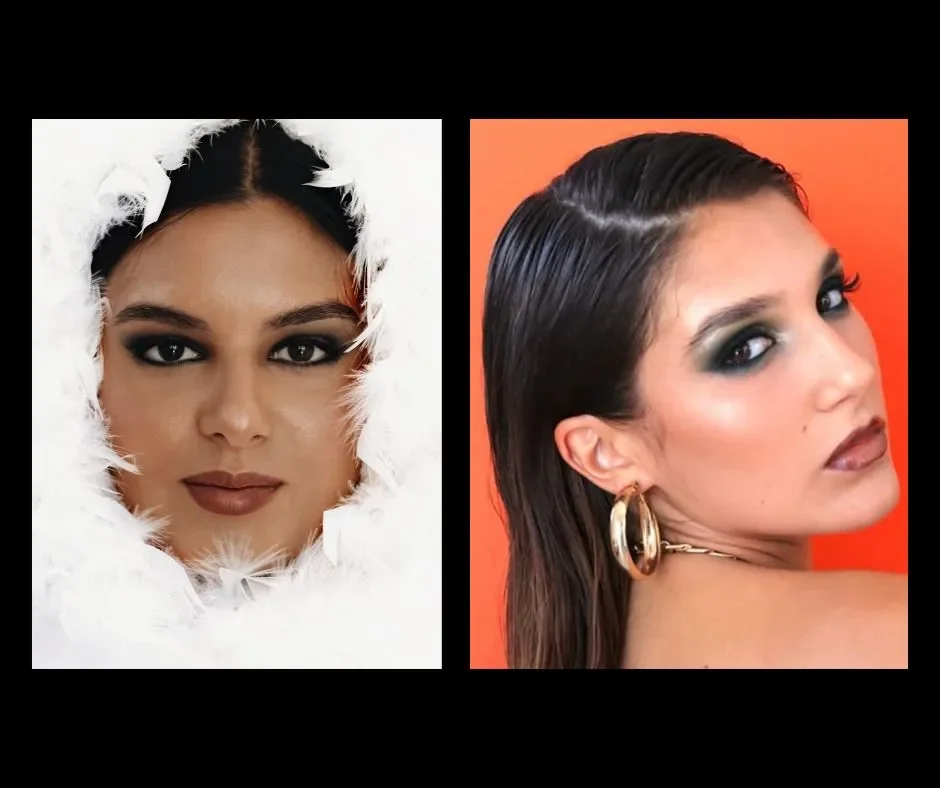
Some projects are born simply out of the desire to experiment, while others turn into experiences that leave something deeper behind. Last week’s beauty photoshoot with make-up artists Francesca Pia Auteri and Desirèe Scialpi, together with models Carola Donatelli and Chiara Basilico, definitely belongs to the second category.


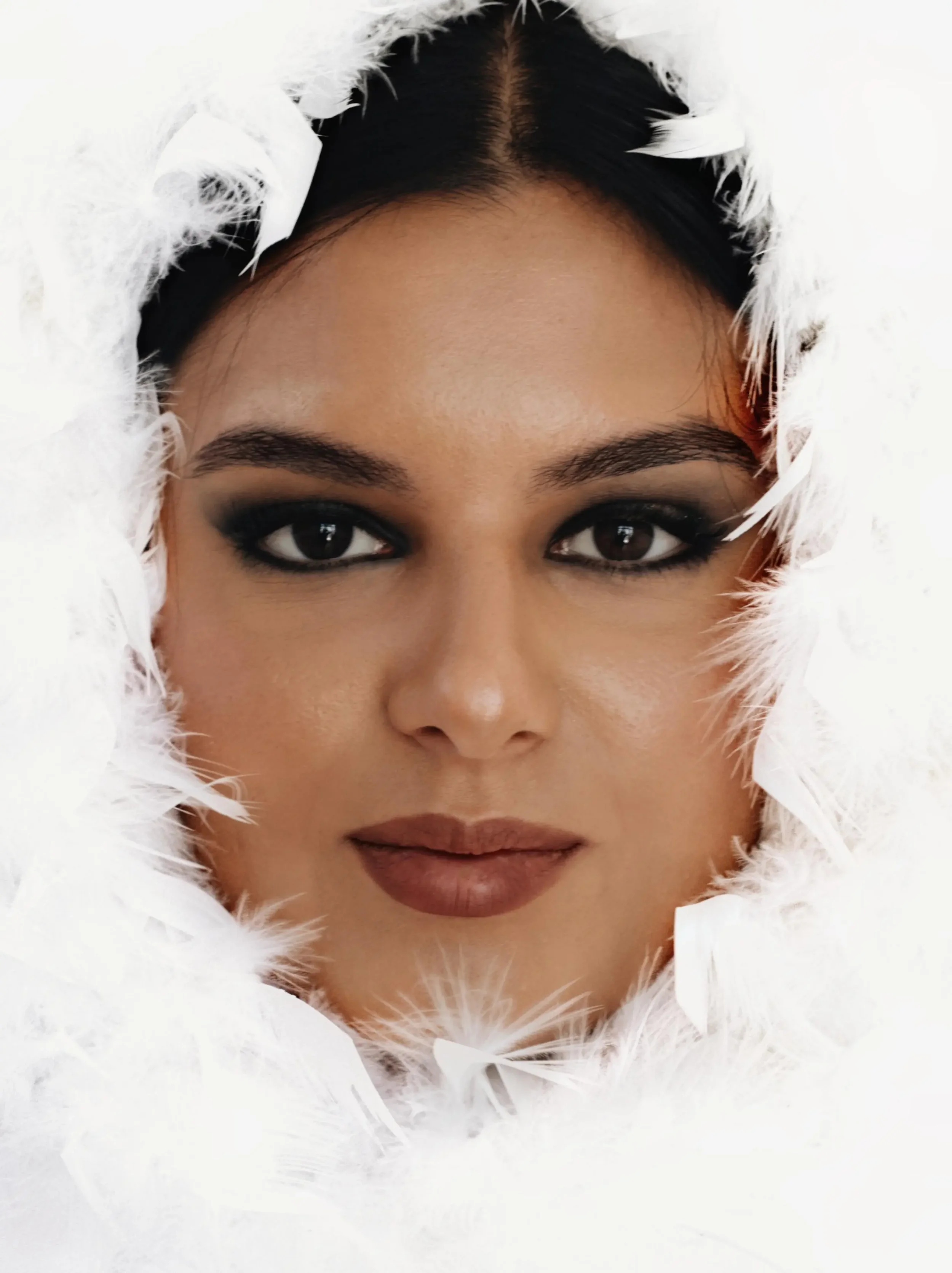
A collaboration outside the comfort zone, between make-up artists and models
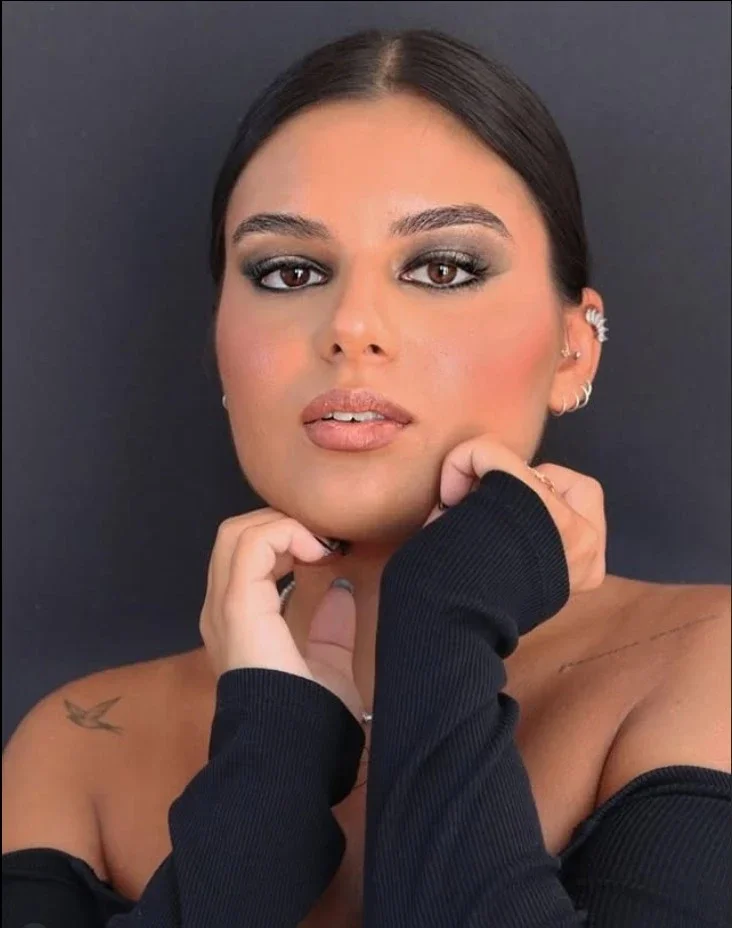
Some projects are born simply out of the desire to experiment, while others turn into experiences that leave something deeper behind. Last week’s beauty photoshoot with make-up artists Francesca Pia Auteri and Desirèe Scialpi, together with models Carola Donatelli and Chiara Basilico, definitely belongs to the second category.
Beauty as a dialogue
What struck me immediately was the atmosphere of collaboration. It wasn’t a cold and impersonal fashion set, but a lively space made of exchange and creativity. Francesca and Desirèe, two emerging make-up artists, already showed a clear artistic vision and a strong sense of style. Every shade and every brushstroke on the models’ faces seemed to have its own rhythm — a silent music I tried to translate into images.
Here, beauty photography was not just about “taking pictures”, but about creating a dialogue: with the make-up, with the light, with the gaze of the models.
Models as interpreters
Carola and Chiara were not just posing; they were interpreting. Their looks, their expressions, even the smallest gestures gave life to unique stories. Each of them brought their own energy into the shoot, making every photo authentic and distinctive.
A make-up look can be technically flawless, but it comes alive only when the person wearing it can embody it. Carola and Chiara did exactly that, giving character and emotion to every shot.
Stepping out of the comfort zone
For me personally, this project was a small revolution. It was not my usual field, yet I felt challenged, inspired, and pushed to look further. Stepping out of the comfort zone can be intimidating, but that’s where the most interesting things happen — when you trust others, when you let yourself be surprised, when you accept that the result will be different from what you imagined.
A network of talents
At the end of the day, I didn’t just bring home photographs — I carried with me a shared experience. I am grateful to Francesca Pia Auteri, Desirèe Scialpi, Carola Donatelli, and Chiara Basilico for making this collaboration possible.
And I’d also like to invite you to discover their work: fashion photography and beauty make-up live through connections, and supporting young talents is the best way to let beauty grow in all its forms.
By clicking on the name, you can take a look at the Instagram profiles of the protagonists of this work:
Minimalism & Surrealism in Abstract Photography Prints for Modern Interiors
Abstract photography has always had a special place in contemporary art. When transformed into fine art prints, it becomes a powerful tool for shaping the atmosphere of modern interiors. From minimalist compositions that calm the eye to surreal images that challenge perception, abstract photography speaks a universal language of imagination.
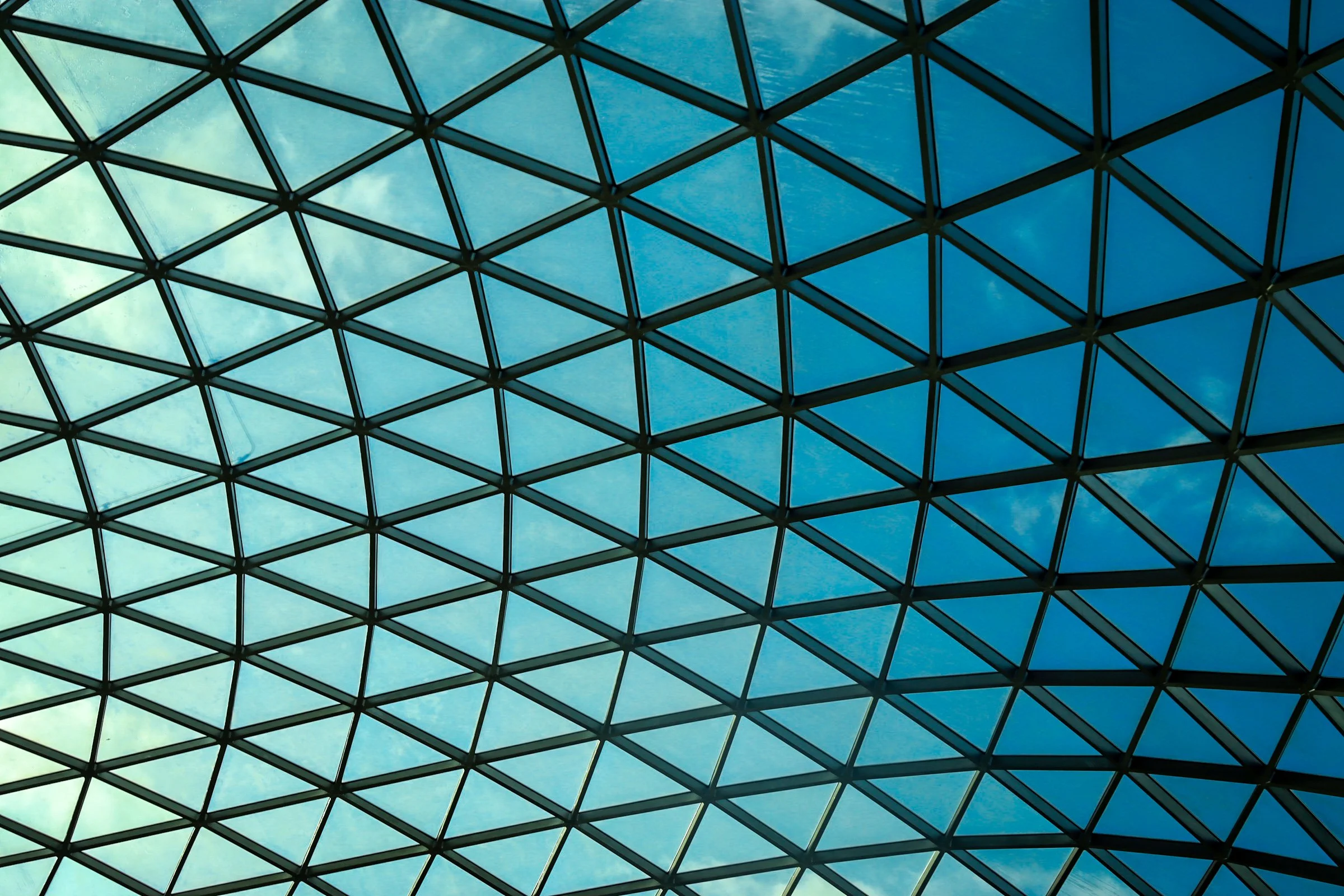
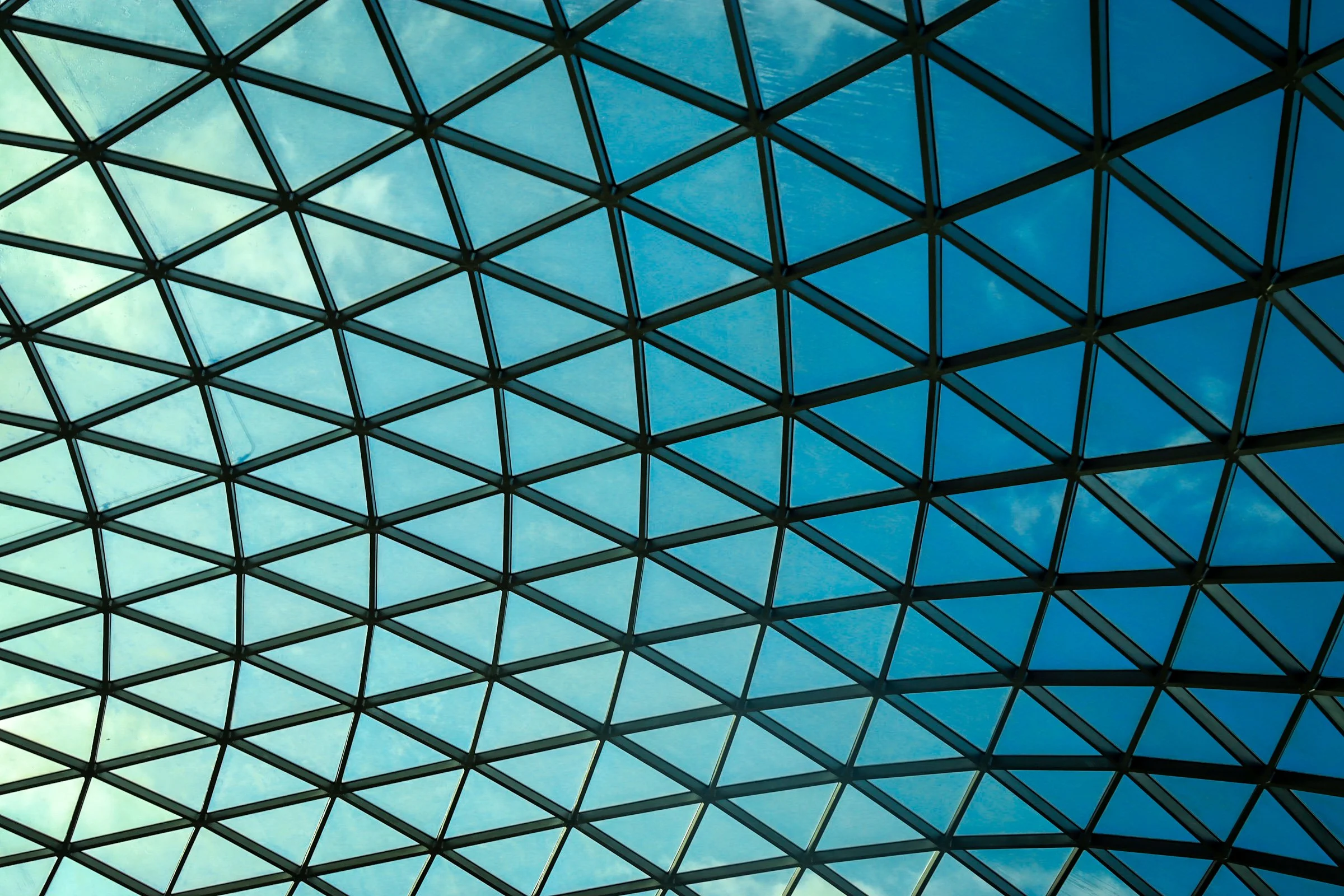
the glass roof of the British Museum – London
Abstract photography plays a key role in contemporary art and interior design. When transformed into fine art prints, it becomes a powerful tool for shaping modern interiors. From minimalist compositions that create calm to surreal images that challenge perception, abstract photography offers a visual language that fits today’s living spaces.
In cities like London, abstract photography prints are widely used in lofts and galleries to define atmosphere. In Milan, especially during design events such as the Salone del Mobile and Fuorisalone, abstract art often becomes a dialogue between contemporary design and visual expression.
Minimalist Abstract Photography Prints
Minimalism in abstract photography is not about emptiness, but about precision, balance, and clarity. These images reduce subjects to essential elements — colour, line, or geometry — creating a sense of calm and visual order.
Minimalist abstract prints work particularly well in modern interiors with strong architectural elements. In London lofts, for example, they soften industrial materials like concrete and steel, adding warmth without overwhelming the space.
Surreal Abstract Photography Prints
Surreal abstract photography explores imagination, distortion, and symbolism. These works introduce depth and intrigue, often becoming focal points within a room.
In Milan’s design scene, especially during the Fuorisalone, surreal abstract prints are frequently used to create contrast. Dreamlike reflections, unexpected compositions, and visual tension transform interiors into more expressive environments.
How to Choose Abstract Photography Prints for Interiors
Match or contrast the space – Minimal interiors can benefit from bold, surreal prints, while more complex spaces may need minimalist balance
Consider scale – Large abstract prints can define an entire room
Choose limited editions – They add exclusivity and long-term value
Pay attention to lighting – Proper lighting enhances texture and tonal depth
Why Abstract Photography Works in Modern Homes
Abstract photography removes literal meaning and allows personal interpretation. This makes it highly adaptable to different interiors and personal styles.
In both London and Milan, abstract photography is often used as a bridge between architecture and emotion — not simply as decoration, but as a way to shape the identity of a space.
Minimalist and surreal abstract photography prints offer more than visual impact. They bring atmosphere, depth, and individuality into contemporary interiors.
If you want to transform your space, consider exploring limited edition abstract photography prints — works designed not just to decorate, but to create a lasting dialogue between art and environment.
If this visual language speaks to your space, you can explore more works.

How to Build a Fine Art Photography Brand with Patience
A brand is never just a name or a logo: it is a universe that slowly takes shape, fuelled by ideas, passion and a clear vision. Building an authentic brand requires commitment, sacrifice, and above all, time.

A brand is never just a name or a logo: it is a universe that slowly takes shape, fuelled by ideas, passion and a clear vision. Building an authentic brand requires commitment, sacrifice, and above all, time. It’s not only about selling a product or a print, but about communicating an identity, a language, and a sensibility that people can recognise and remember.
The invisible discipline behind every image
Behind every photograph lies a world of waiting, searching, and choices. It’s not simply about pressing a button: it’s about chasing a specific light, imagining a scene, reshaping it until it becomes part of one’s own visual language. The same principle applies to a brand: what the public sees is only the tip of the iceberg. Behind it are hours of study, mistakes, reflections, trials, difficult decisions, and above all, the determination to remain faithful to one’s vision. This invisible discipline is what makes a brand strong, recognisable, and authentic.
Time as an ally, not an enemy
We live in a world obsessed with speed, where everything has to happen instantly. But building a solid brand is a process that demands slowness, patience, and consistency. Public trust cannot be earned overnight: it grows over time, nurtured by coherence, quality, and authenticity. Every post, every new collection, every image becomes a building block in a larger construction that gradually takes shape and roots itself in collective memory.
Vision + consistency = identity
A brand does not live only in the present; it looks to the future. Vision is the lighthouse guiding every choice, but without consistency, that light risks fading. Identity is born from the balance between innovative ideas and daily dedication. Every detail contributes: the visual style, the words, the materials, the way of communicating with those who observe and those who choose to be part of it. This accumulation of coherent choices is what gives life to a brand that not only exists but endures.
Conclusion
Building a brand is a long, complex, and deeply rewarding journey. It is not a finish line, but an ongoing path that grows and evolves together with those who live it and follow it. It is made of emotions, shared visions, and intertwined experiences. Every person who comes into contact with this project becomes part of its story.
If you are here, you are not just a spectator: you are part of the journey.
If this image resonates with your space, you can explore the full collection.
Why Following a Fine Art Photographer Shapes Your Space
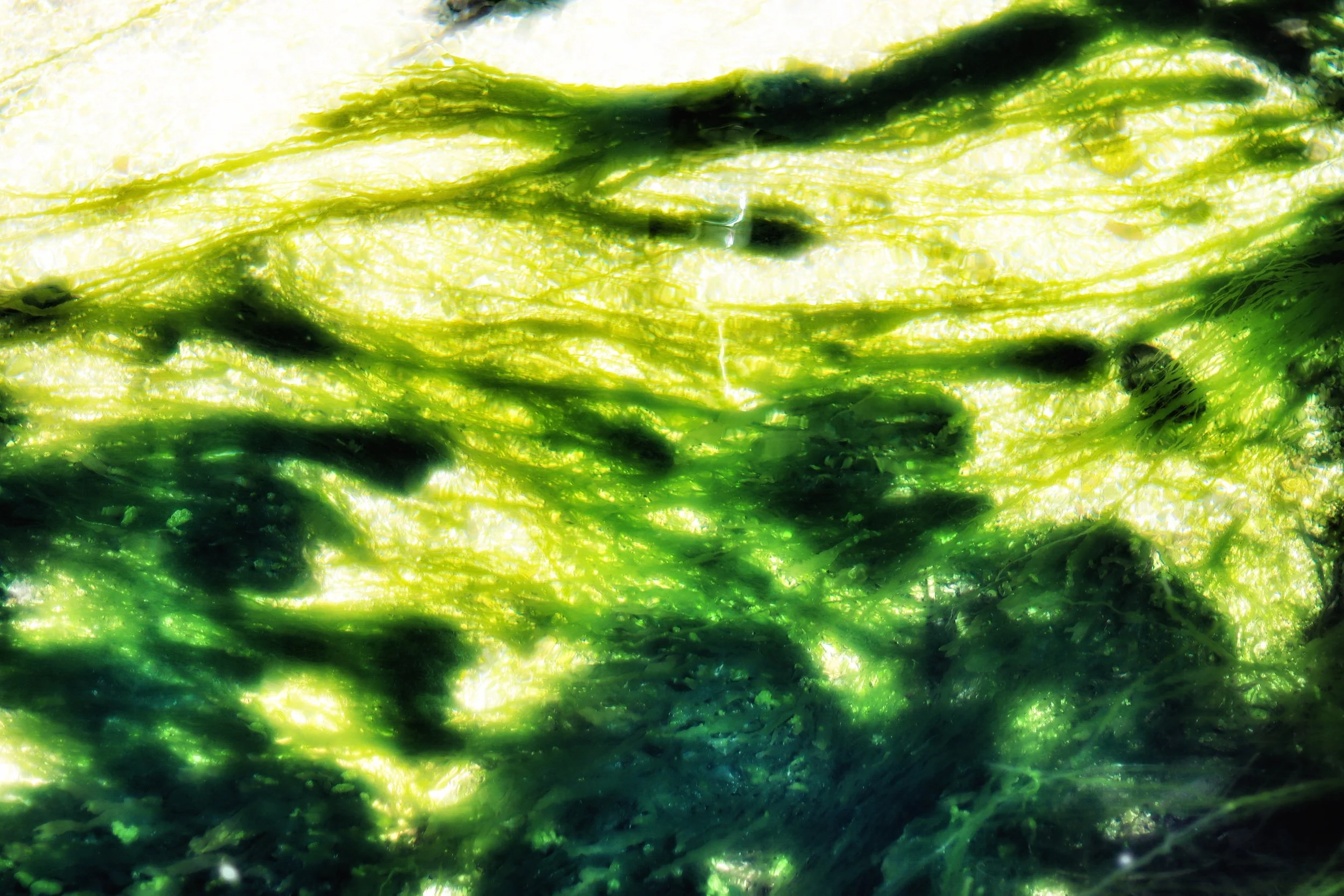
In the world of interior design, we often talk about colors, materials, and the harmony of spaces. Yet, what truly defines a home — what makes it unforgettable — is the art we choose to live with. Photography, in particular, has the power to turn walls into experiences and rooms into stories. But there is something even more profound: choosing to follow one photographer.
In the world of interior design, we often talk about colors, materials, and the harmony of spaces. Yet, what truly defines a home — what makes it unforgettable — is the art we choose to live with. Photography, in particular, has the power to turn walls into experiences and rooms into stories. But there is something even more profound: choosing to follow one photographer.
When you commit to a specific artist’s vision, you’re not just decorating. You’re curating identity, embracing consistency, and investing in a legacy that will outlive trends.
The Value of Consistency
Every photographer develops a visual language. Light, composition, atmosphere — together, they form a signature style that becomes unmistakable. When you collect works from the same photographer, you’re not adding random images to your walls. You’re creating a coherent story, a visual rhythm that connects every piece and enriches your living environment.
This consistency is what transforms interiors: a house doesn’t feel like a gallery of unrelated works, but like a narrative space where every image contributes to a larger vision.
From Walls to Emotions
A single print can elevate a room. But a collection shaped by the same artist creates something deeper: continuity of emotions. Each photograph carries its own atmosphere, yet together they build a dialogue. They resonate with one another, amplifying the sense of intimacy and personality in a home.
Choosing one photographer means choosing to live inside a world. A world that reflects not only the author’s emotions but also yours — because the act of collecting is always a mirror of identity.
Investing in Vision
Luxury design is not about abundance, but about significance. Following a photographer is an act of trust: you believe in their gaze, in their ability to capture timelessness. But it is also an investment. Just as design icons grow in cultural and material value, a consistent photographic collection signed by the same author builds prestige over time.
This is not just decoration. It is heritage. A way of living surrounded by authenticity, where each print is both aesthetic pleasure and cultural statement.
Conclusion
In a world saturated with fleeting trends, choosing to follow one photographer is a gesture of rare elegance. It means rejecting randomness and embracing vision. It means allowing your spaces to breathe with continuity, depth, and identity.
Don’t just decorate. Curate. Discover the collections, follow the journey, and live with photography that speaks the same language as your emotions.
If this image resonates with your space, you can explore the full collection.
Minimalism in Fine Art Photography | Speak Through Images
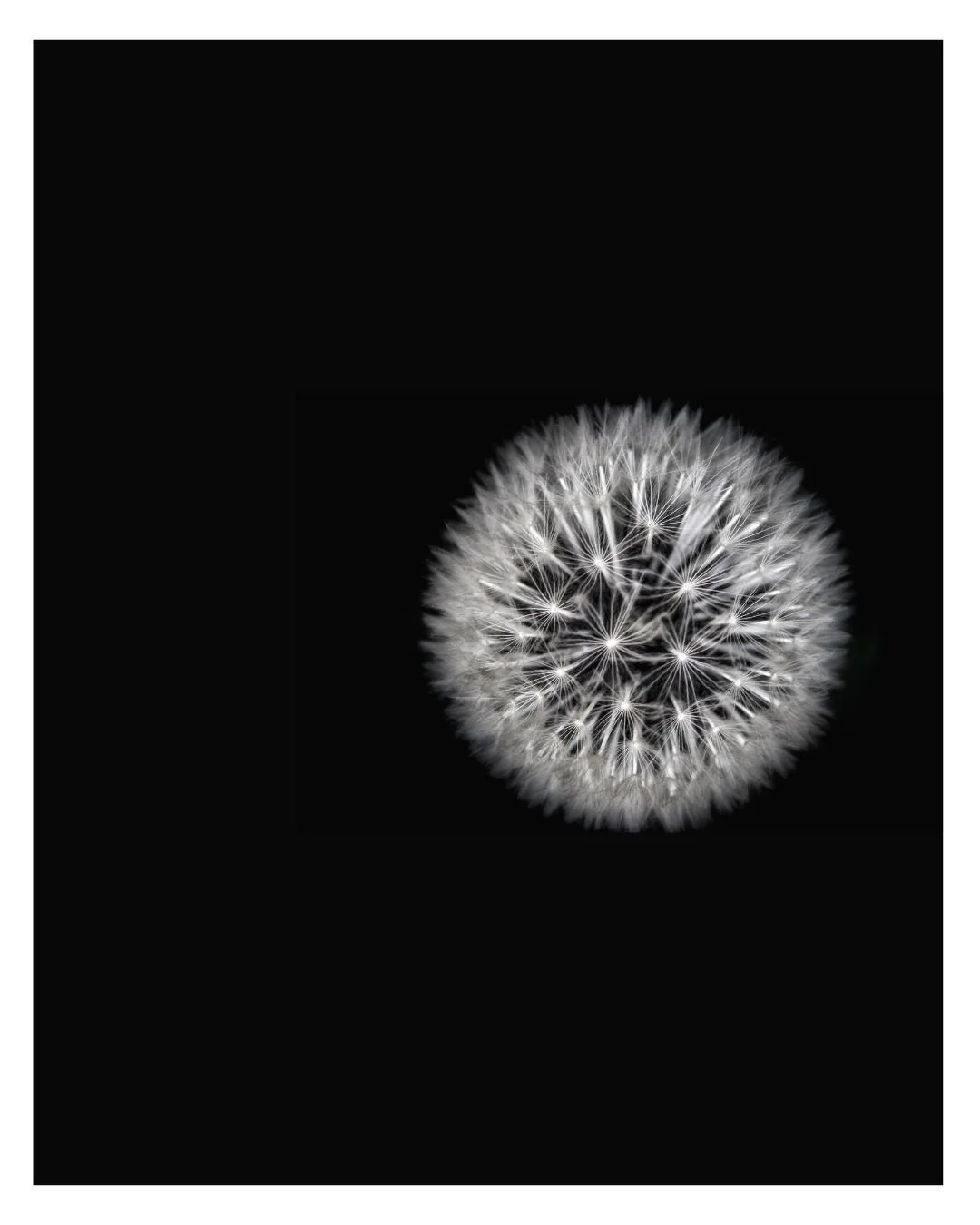
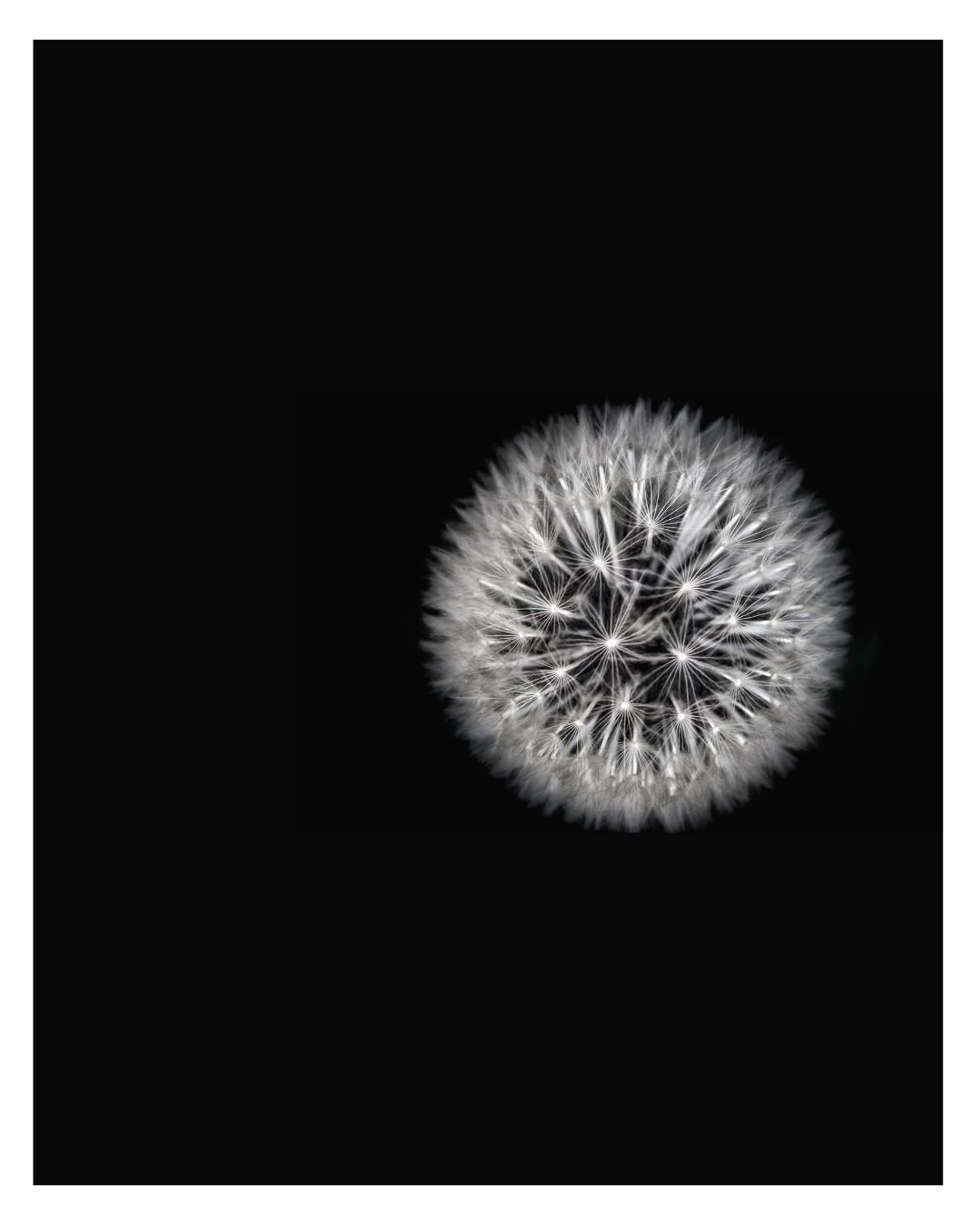
In today’s visual overload—where thousands of images pass before our eyes every single day—minimalism in photography becomes a bold act. It’s not about lack, but about essence: subtracting until only the core remains.
Minimalism: a conscious choice
In today’s visual overload—where thousands of images pass before our eyes every single day—minimalism in photography becomes a bold act.
It’s not about lack, but about essence: subtracting until only the core remains.
The art of visual silence
Minimalist photography is not emptiness.
It is space that breathes, silence that amplifies what truly matters.
A detail, a line, a contrast can become the voice of an entire story.
In this simplicity, the gaze finds rest, and the soul finds room to reflect.
Black & white: the natural language of minimalism
Black and white perfectly serves this approach.
Stripped of color, the viewer is not distracted: only the primal dialogue between light and shadow remains, between presence and absence.
A timeless and essential language.
Minimalism in everyday spaces
Bringing a minimalist photograph into a home or a studio means bringing balance.
An image that does not shout, but stays.
A piece that becomes silent breath, a steady anchor in the flow of daily life.
Conclusion
Minimalism in photography is not absence, but fullness.
It is the courage to say more with less, and to give space to the viewer so they can complete the work with their own gaze.
Articles you might find interesting: Black and White Photography: A Language, Not a Shortcut; WHEN IMAGES STOP TRYING TO IMPRESS
If this visual language speaks to your space, you can explore more works
From Walls to Stories: Fine Art Photography in Interiors
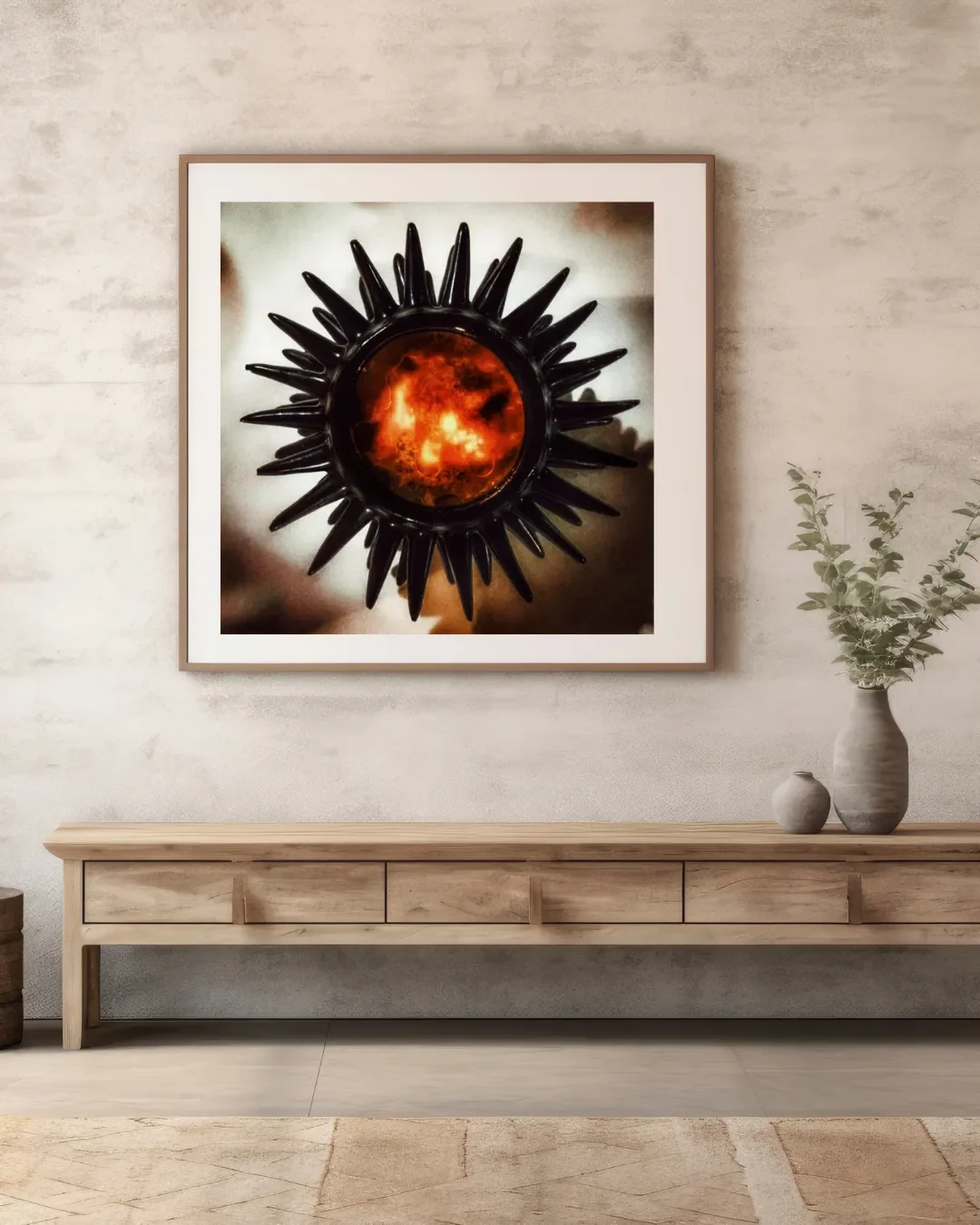
In today’s design world, art is not just an accessory—it’s a statement. Fine art photography has become one of the most impactful ways to transform interiors, creating spaces that are both personal and timeless.
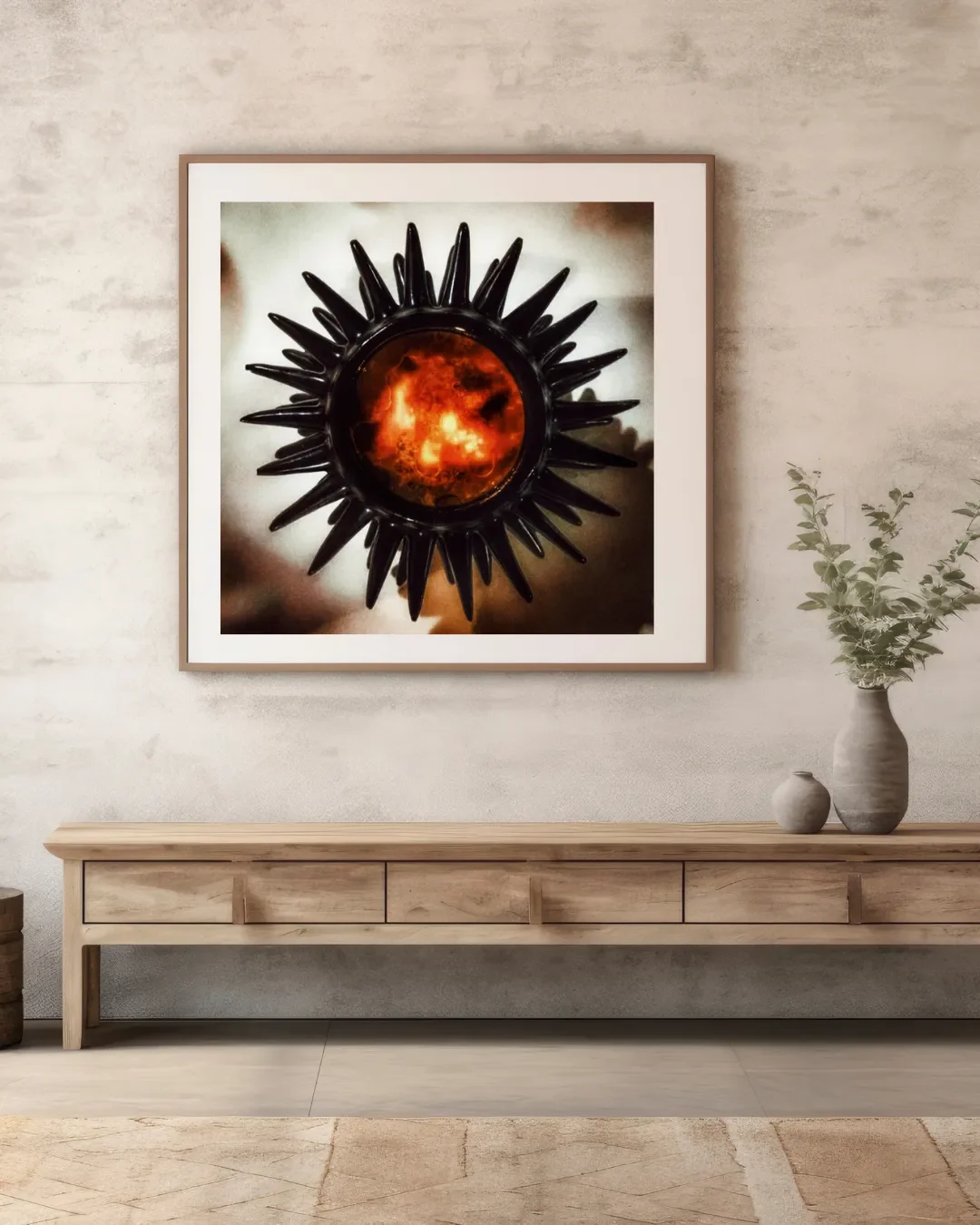
Photography as Identity: Not Just Decoration
In the world of contemporary design, art is no longer a simple furnishing accessory: it is a statement of style and personality. Art photography, in particular, is establishing itself as one of the most powerful tools for transforming living and professional spaces, giving them identity, emotion and a unique character. Each photographic print thus becomes not only a decorative object, but a narrative element that dialogues with those who live or work in those environments.
‘I wish you to see what I saw.’ — André Kertész
This quote perfectly captures the essence of art photography: conveying a vision, an emotion, a detail that can change the perception of a place. Images are not mere decorations, but tools for communicating and telling stories, helping to define atmospheres and sensations.
Why Photography Works in Interiors
Quality photographic prints become the protagonists of any space thanks to three key elements:
Versatility: art photography adapts to any style of décor. From urban minimalism to classic design, from abstract prints to naturalistic images, each work can blend harmoniously with walls, furniture and fabrics. Neutral tones, black and white contrasts and bright colours offer endless possibilities for personalising living rooms, bedrooms, offices and commercial spaces.
Visual Impact: large-format photographic prints immediately capture the eye, becoming focal points in any environment. A balanced composition, which exploits lines, shapes and perspectives, transforms a blank wall into a visual narrative that attracts attention and arouses emotions.
Emotional Connection: every photograph tells a story, often hidden among the details and nuances of the composition. As Diane Arbus recalled: ‘A photograph is a secret about a secret. The more it tells you, the less you know.’ Images stimulate curiosity, reflection and contemplation, allowing viewers to establish an intimate connection with the work and the surrounding space.
Atmospheres that Tell Stories
Art photographs have the power to radically transform the atmosphere of a space. A delicate landscape, with its play of light and depth, conveys calm and balance, while an abstract or energetic urban composition communicates vitality, dynamism and character.
In offices, creative studios or private homes, images become tools for visual storytelling: they do not simply decorate the walls, but reveal the identity of those who inhabit the space. Collectors and interior designers know how important it is to choose works that not only enhance the aesthetics, but also enrich the sensory and emotional experience of the environment.
‘Photography is an immediate reaction, drawing is a meditation.’ — Garry Winogrand
This reflection highlights the unique role of contemporary photography: an art form that captures the moment and transforms it into a lasting aesthetic experience.
Photography as an Aesthetic and Cultural Investment
In addition to its visual and emotional value, art photography is also an investment. Limited editions, numbered and signed, acquire value over time and become distinctive pieces for collectors and enthusiasts. A carefully chosen image not only enriches the décor, but can also increase in value as a work of art.
Photographic prints, available in various formats and on fine art materials such as museum paper or professional canvas, combine aesthetics, durability and prestige. This makes them perfect for both stylish décor and building a personal collection that reflects taste, culture and refinement.
‘I was born to photograph.’ — Vivian Maier
This quote expresses the dedication and intrinsic passion of contemporary artists, who transform each shot into a complete work of art, designed to stand the test of time and engage with the viewer.
Tips for Choosing the Right Prints
Consider the Space: the size and composition must harmonise with the proportions of the room.
Theme and Colour: choose photographs that complement the palette and style of the décor.
Emotion: favour images that evoke feelings consistent with the desired atmosphere: serenity, energy, introspection.
Limited Editions: select numbered or signed prints to add exclusivity and artistic value.
Photography as a Universal Language
Every photograph tells a story, and every story speaks to its viewers. Whether minimalist geometries, poetic landscapes or urban murals, images become tools of communication, capable of exciting, inspiring and influencing the surrounding space. For those seeking refined contemporary décor, photographic prints become indispensable: a luxury item that combines aesthetics, culture and personal identity.
Conclusion
Art photography is no longer a simple accessory: it is identity, storytelling and cultural investment. It offers versatility, visual impact, emotional connection and lasting value. Whether you are a collector, an interior designer or a contemporary art enthusiast, choosing quality photographic prints means bringing beauty, exclusivity and meaning to your spaces. Photography transforms walls into stories, each image becoming a dialogue between art, space and viewer.
If this image resonates with your space, you can explore the full collection.
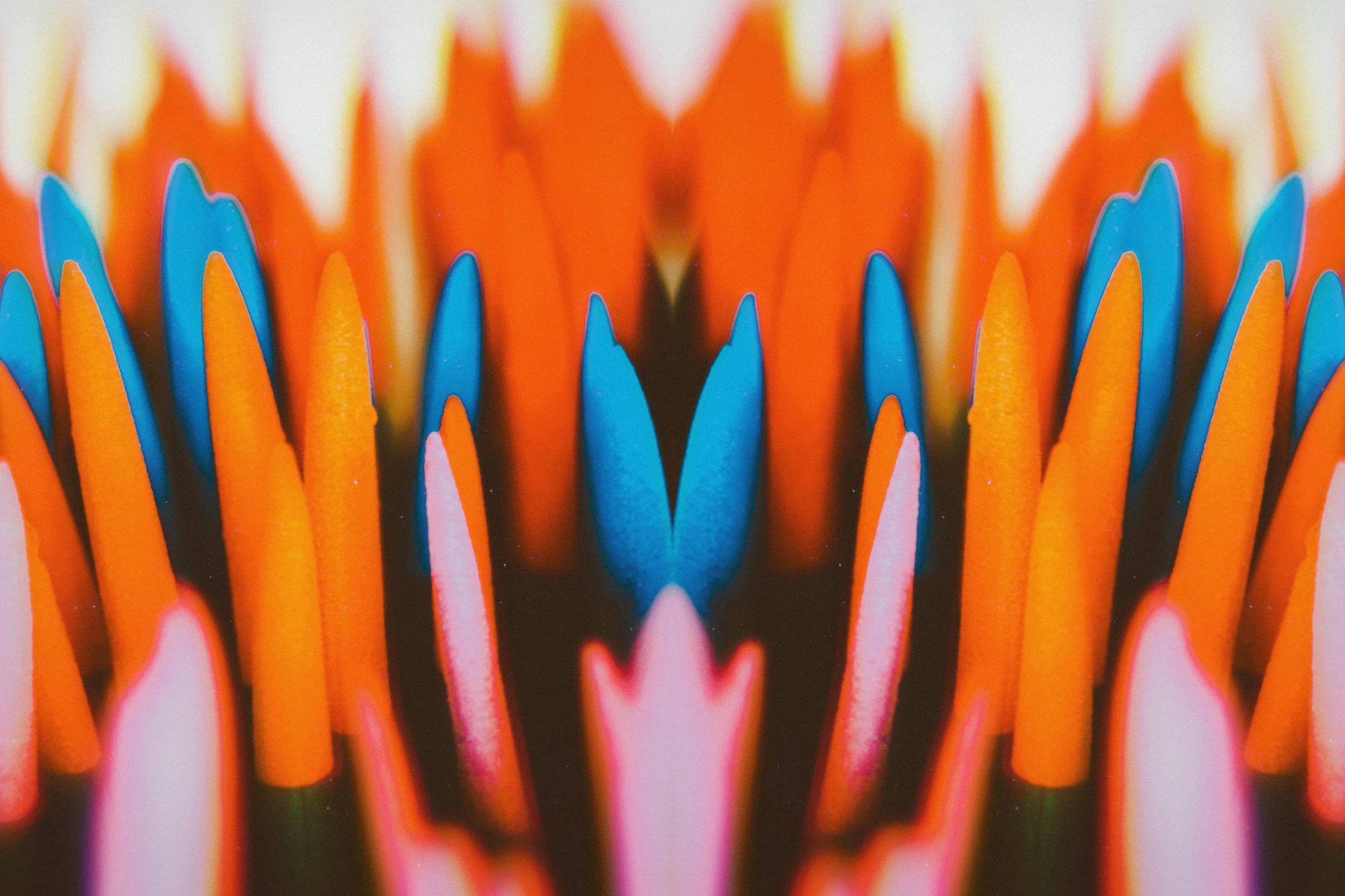
The Power of Abstract Photography in Luxury Interiors
In today’s world of luxury interior design, abstract photography is becoming one of the most powerful tools to create spaces that inspire, impress, and elevate everyday living. More than simple decoration, fine art photography is a statement — a reflection of individuality, culture, and refined taste.
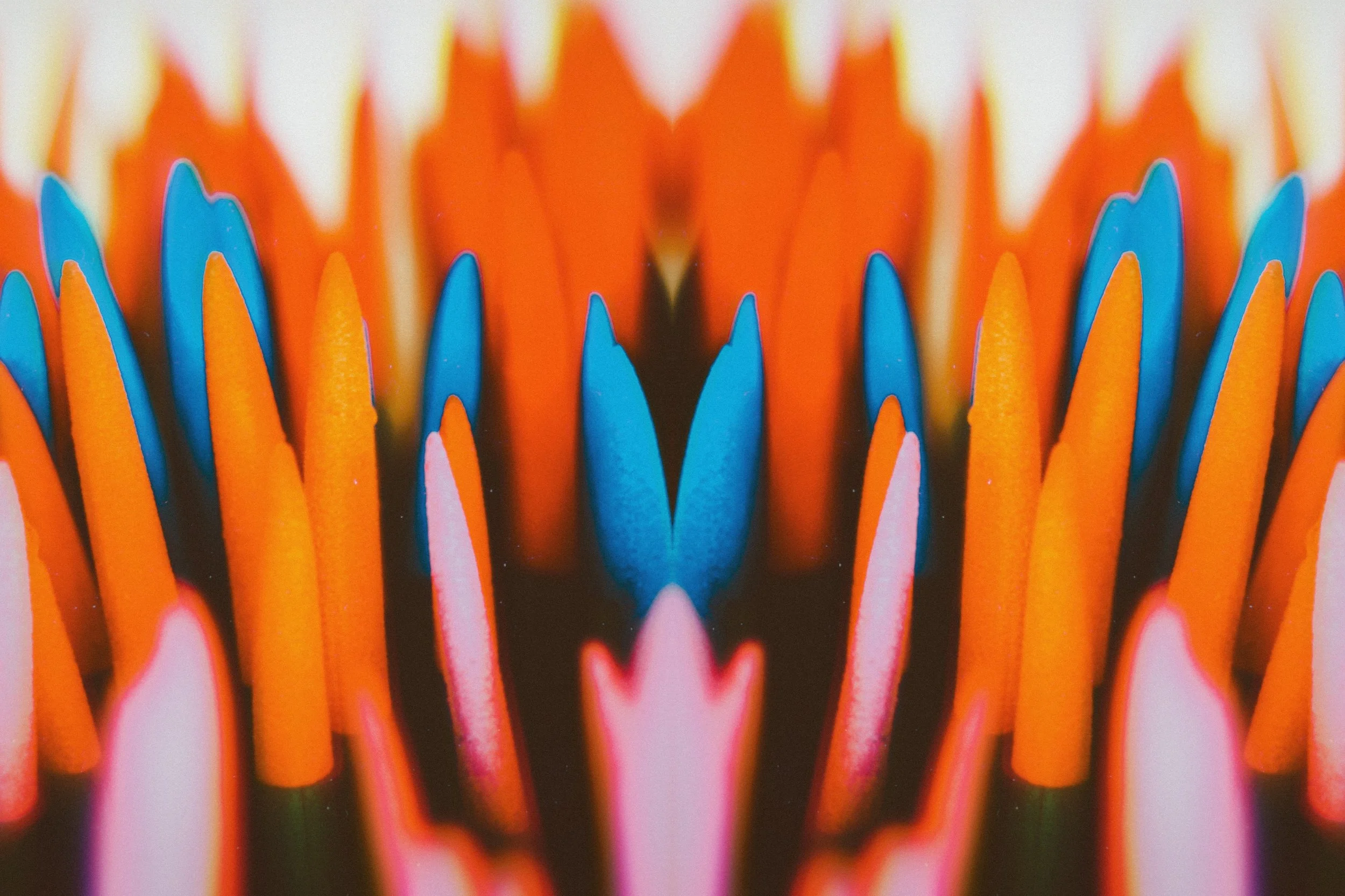
In the contemporary world of luxury interior design, abstract fine art photography has become one of the most compelling ways to elevate a space — turning walls into emotional landscapes and everyday rooms into expressions of personality. More than simple decoration, abstract photo prints represent a dialogue between creativity, identity, and timeless beauty.
The language of abstraction
Abstract photography breaks away from the need to describe. Instead, it invites interpretation. Fluid lines, shifting tones, and geometric compositions open a visual journey where meaning is born through perception. Each viewer creates their own connection with the image — that’s the magic of fine art photography.
For art collectors, abstract photography embodies a perfect balance between intellectual curiosity and aesthetic pleasure. Each limited-edition print becomes an art investment — a tangible fragment of imagination preserved on museum-quality paper or gallery-grade canvas.
Why abstract photography enhances modern interiors
In today’s interiors, every object tells a story. Abstract fine art prints introduce rhythm, texture, and emotional depth, blending effortlessly with both modern and classic spaces.
A bold black-and-white print can add serenity and power to a minimalist living room, while a vibrant composition can bring energy to a hallway or creative studio.
This versatility is what makes abstract photography so sought after by interior designers — it adapts without imitating, complements without overwhelming.
The collector’s eye
Owning an abstract photograph is more than displaying an image — it’s curating emotion. Limited editions, signed works, and carefully printed collections carry both artistic and cultural value. Collectors appreciate not only the visual strength of these works but also their permanence — a rare quality in a digital age where images are consumed and forgotten.
A dialogue between art, space, and soul
Abstract photography transforms walls into mirrors of emotion. It slows us down, inviting reflection and serenity. Each piece is both a contemporary artwork and a meditation — a bridge between creativity and contemplation. That's what I thought when I created Kapoor 02, which you can see above.
Whether you are a collector seeking exclusive fine art prints or an interior designer curating sophisticated spaces, abstract photography offers a timeless language of form and feeling — a celebration of beauty, meaning, and presence. What is written in WHEN IMAGES STOP TRYING TO IMPRESS
If this image resonates with your space, you can explore the full collection.
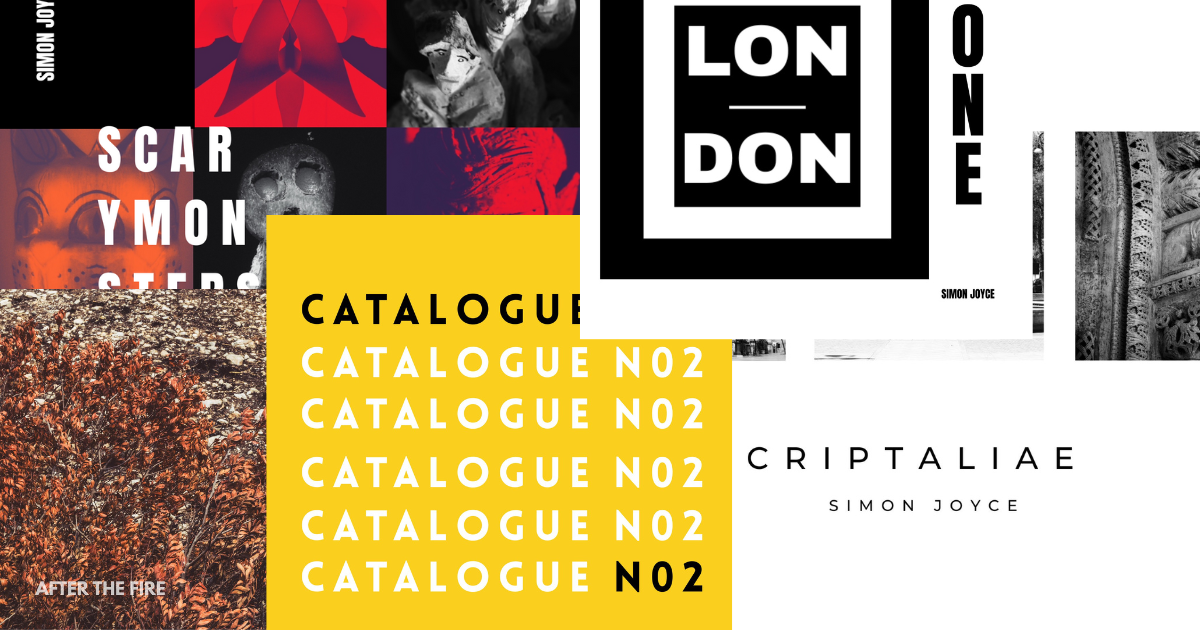
The Rise of Fine Art Photography Books as Collectibles
In recent years, the photography book has experienced a remarkable renaissance. Once considered mere vessels for images, today photography books as art are highly sought after by collectors and enthusiasts alike.
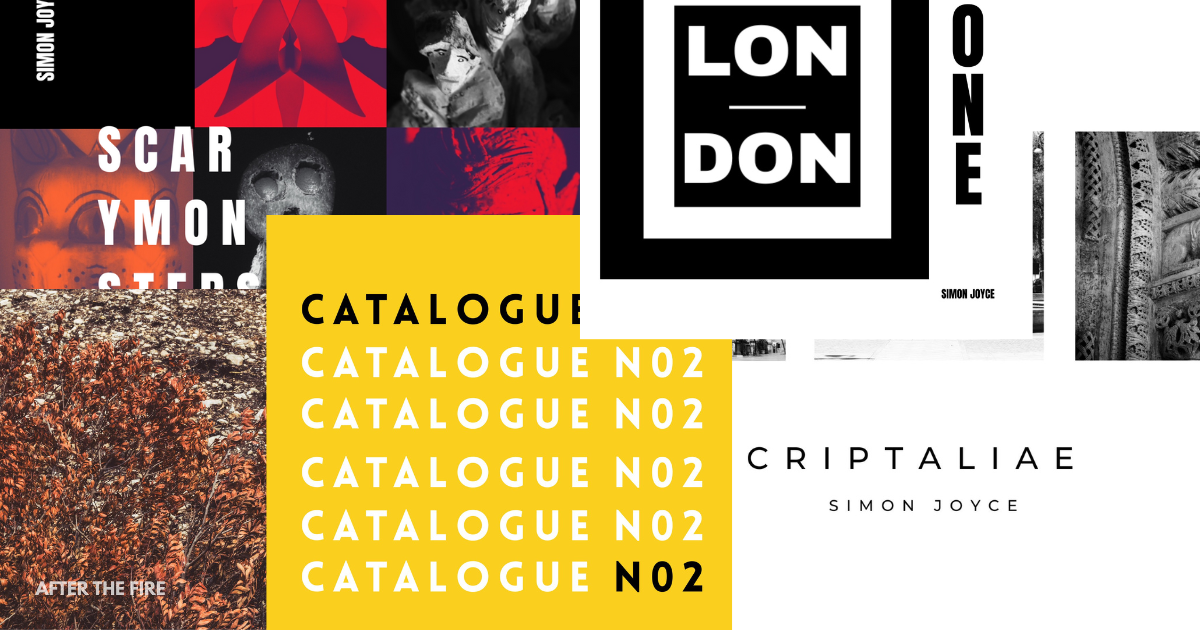
The Renaissance of the Photography Book: When Images Become Objects of Art
“Books are the perfect place for photographs to live.” — Alec Soth
Fine art photography books have increasingly become collectible art objects within the contemporary art market. This article is written for those who see photography books not as secondary objects, but as primary works of art — meant to be lived with, revisited, and collected over time. In an era dominated by screens and ephemeral digital images, the photography book is experiencing a powerful renaissance. Once seen as simple repositories for images, these volumes have reclaimed their role as complete works of art — tactile, intimate, and enduring. Collectors, artists, and curators now view the photo book not just as a container of pictures, but as a self-contained artistic statement that bridges photography, design, and storytelling.
Very often I find myself shooting like in this photo Modern Forest looking for a series of images that dialogue with each other rather than a single flash of inspiration.
The Evolution of Fine Art Photography Books
The story of the photography book begins in the 19th century, when pioneers like William Henry Fox Talbot compiled early prints into albums such as The Pencil of Nature (1844). Over time, photographers began to recognize the book as a medium capable of conveying rhythm, emotion, and sequence — a narrative form in itself. By the mid-20th century, names like Robert Frank (The Americans), Henri Cartier-Bresson (The Decisive Moment), and Ansel Adams (Sierra Nevada: The John Muir Trail) had transformed the photo book into an essential part of photographic history.
“The book is a unique vehicle — a sequence, a rhythm, a meditation.” — Robert Frank
This understanding of the book as a rhythmic, intentional space is what continues to distinguish meaningful photo books from simple image collections.
Why Fine Art Photography Books Have Become Collectibles
Today, fine art photography books attract an audience that appreciates not just the images, but the craftsmanship, rarity, and cultural meaning behind them. A limited-edition photo book can hold the same emotional and financial value as a photographic print. Often, it becomes the most intimate way to experience a photographer’s vision — closer, quieter, and more personal. Collectors seek out hand-signed copies, numbered editions, and special bindings that elevate the book into the realm of collectible art.
But beyond investment, what makes these books truly valuable is their permanence. In a time when digital platforms vanish with a click, a beautifully printed book holds weight — literally and metaphorically.
What Makes a Photography Book Truly Collectible?
Not every photography book becomes a collectible. Factors such as limited print runs, conceptual coherence, printing quality, and the reputation of the artist or publisher play a decisive role. Books produced in small editions — often under 1,000 copies — tend to retain long-term cultural and market value. The sequencing of images, the paper choice, the binding, and the design language all contribute to transforming a publication into a collectible art object rather than a simple catalogue.
Collectors often look for first editions, signed copies, and publications that mark a turning point in an artist’s career. In many cases, the book becomes more influential than individual prints because it represents a complete, intentional body of work.
The Material Soul of Photography
A photo book engages more than just the eye. The paper texture, the smell of ink, the sound of a turning page — all are part of the experience. High-quality printing methods, archival materials, and thoughtful design transform these objects into multisensory experiences. As Susan Sontag once wrote, “To collect photographs is to collect the world.”
A photo book is, in this sense, a personal world — curated, bound, and preserved.
Limited Editions and the Artist’s Touch
Limited editions hold a particular allure: a signature, a number, a tactile trace of the artist’s hand. The same philosophy applies to limited edition fine art prints, where scarcity, craftsmanship, and artistic intention define both value and experience. These details bridge the distance between creator and collector, transforming ownership into connection. The intimacy of holding a signed copy — knowing the photographer’s hand has touched it — brings authenticity and meaning that digital editions can never replicate. For example, I will finish a book that recounts my relationship with London, which you can read about in: London Through My Lens | Photography & City Inspiration
How to Start Collecting Fine Art Photography Books
Starting a photography book collection doesn’t require vast resources — just curiosity and passion. Seek out independent publishers like MACK, Aperture, or Steidl, whose books often become cult classics. Follow contemporary artists experimenting with new forms — from zines to conceptual editions. Attend fairs such as Paris Photo or Photo London to experience firsthand how diverse and alive the field has become.
Whether it’s the minimal elegance of Michael Kenna, the surreal poetry of Francesca Woodman, or the raw intimacy of Nan Goldin, each book offers a world to enter — page by page.
“In a book, photographs find their true sequence — their breath.” — Daido Moriyama
In the digital age, the return of the photography book reminds us that beauty still resides in slowness — in turning pages, in touching paper, in contemplation. A strong collection is never about quantity, but about coherence — a dialogue between books that reflect how you see the world. It’s a renaissance that celebrates not nostalgia, but presence: the enduring power of holding art in your hands.
When beginning a collection, it is essential to focus on coherence rather than quantity. Many collectors choose a specific theme — contemporary minimalism, conceptual photography, urban narratives, or abstract visual studies — and build around it. Researching secondary market trends, gallery representation, and institutional recognition can also help identify books with lasting relevance.
Above all, collecting fine art photography books is a deeply personal process. The most meaningful collections are those that reflect a collector’s aesthetic sensibility and intellectual curiosity.
If this way of thinking about photography books resonates with you, you may explore a curated selection of limited edition photography books shaped by the same vision.
If this visual language speaks to your space, you can explore more works.
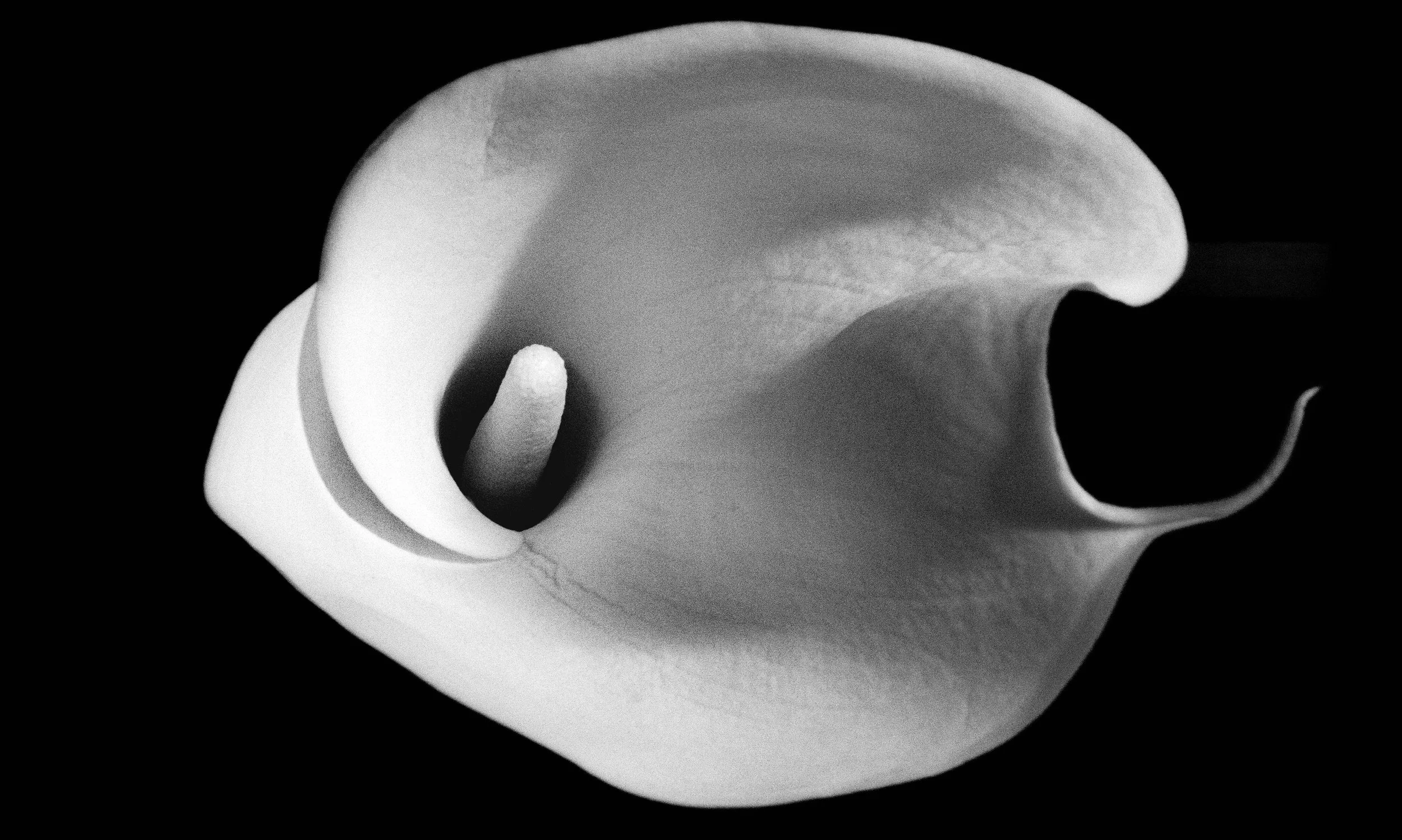
The Poetic Side of Fine Art Photography | Visual Poetry
Photography freezes a moment; poetry gives it voice. When combined, the two art forms create a layered experience that speaks to both the eyes and the heart. In the fast-paced digital world, where images are consumed in seconds, the fusion of photography and poetry invites us to pause, reflect, and feel.
A Dialogue Between Images and Words
Photography captures a moment; poetry gives it a voice. When these two art forms meet, they create a layered experience that speaks to both the eyes and the heart. In today’s fast-paced digital world, where images flash by in seconds, the combination of photography and poetry invites us to pause, reflect, and feel. As Susan Sontag once said, “Photography is a way of feeling, of touching, of loving” — and when words accompany an image, that instant becomes a conversation with the viewer.
The Concept of Poetic Photography
Poetic photography goes beyond simply capturing a beautiful scene. It seeks to evoke an emotion, a thought, or an atmosphere that transcends the frame. Objects, light, and shadows become symbols and metaphors, while some moments appear suspended in time, inviting the viewer to interpret and connect with the image on a personal level. As happens in Before Light where flowers that have not yet bloomed restore a need for discovery.
Words as Amplifiers of Vision
When poetry meets photography, the visual narrative deepens. Words can clarify, enhance, or even contrast what the eye perceives, adding layers of emotion and meaning. A single line can transform a photograph into a complete story, turning a frozen frame into a small universe of reflection and feeling. Consider the photograph as a stage and the words as the dialogue that animates it: together, they create a richer, more immersive experience.
Notable Examples in Art History
The connection between words and images has deep roots. Duane Michals famously wrote directly on his photographs, giving his thoughts a tangible presence. Robert Frank and Jack Kerouac combined Beat photography and poetry in The Americans, illustrating how two distinct languages can merge harmoniously. Contemporary photobooks continue this tradition, blending text and imagery to craft immersive narrative experiences, showing that the dialogue between poetry and photography is timeless.
My Creative Approach
In my practice, sometimes the photograph comes first, inspiring the words needed to complete it; other times, a poetic line sparks the creation of an image. This dialogue intensifies the emotional impact on viewers, gives the work a unique identity, and produces collectible pieces where text and image coexist in conversation.
Why This Connection Resonates
In an age of constant scrolling and fleeting attention, the fusion of poetry and photography offers a rare pause. Viewers are invited not just to look, but to linger, interpret, and feel. Exhibitions, photobooks, and online collections that merge these art forms leave a lasting impression, creating experiences that are both reflective and emotionally engaging. Photography: the construction of reality through the gazeIt is the synthesis of the thinking that drives my photography.
Conclusion: Stories Between the Lines and Frames
Poetry and photography share the same aim: distilling an emotion, a truth, or a story into its purest form. Together, they create a universal artistic language that transcends cultural boundaries and speaks directly to the human experience. As Rainer Maria Rilke once wrote, “Creativity is not about finding new things, but seeing with new eyes” — and the union of words and images does precisely that.
By Simon Joyce
Learn more about the world of fine art photography and be inspired by the colors, shapes, and emotions each artwork conveys.
Visit the Blog section for more articles, tips, and insights, and continue exploring Simon Joyce Photo’s collection to turn your spaces into your own personal gallery.
If this visual language speaks to your space, you can explore more works.
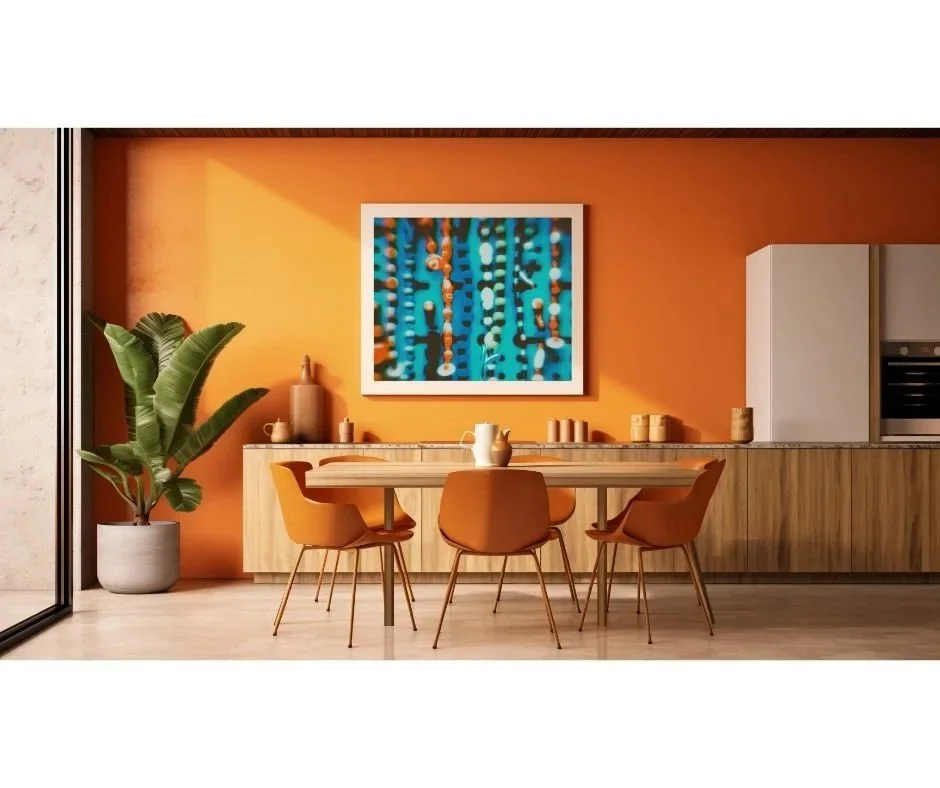
Choosing Fine Art Photography Prints for Interiors | Guide
Fine art photography is more than decoration—it’s a statement of personality, taste, and emotion. The right piece can transform a room, adding depth, character, and even a sense of storytelling.
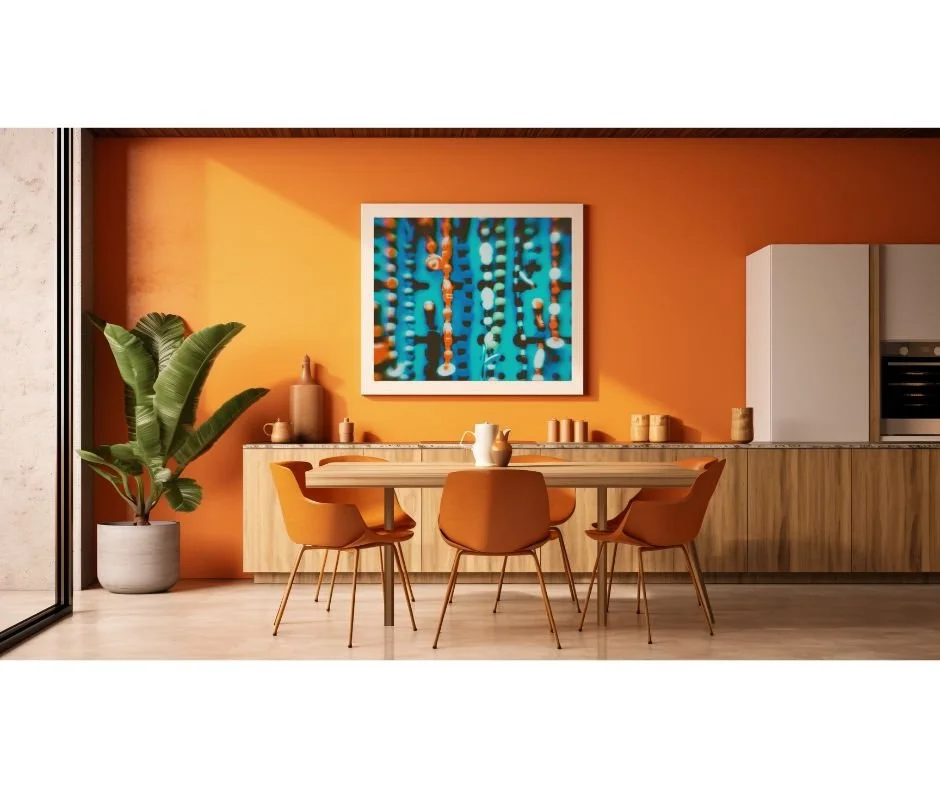
The Art of Choosing the Right Photography for Your Space
Fine art photography is more than just decoration — it’s an expression of taste, personality, and emotion. The right piece can transform a room, adding depth, character, and a story to tell. As Ansel Adams once said, “You don’t take a photograph, you make it”, and when that creation enters your home, it becomes part of its visual language.
Observing Your Space with Fresh Eyes
Before selecting a piece, take a moment to study the environment where it will live. Each room has its own personality: a living room may call for a bold, statement piece, while a bedroom benefits from softer, more intimate tones. A study or hallway can be enhanced with graphic or dynamic images.
The design style of the room also matters: minimalist, rustic, industrial, or eclectic interiors all invite different subjects and color palettes. In neutral settings, a photograph with vivid colors can serve as a striking focal point. As Henri Matisse said, “Color is a means of exerting direct influence on the soul.” Deciding between colour and black and white, as in these photographs: Kapoor 02 or All birds are black. This article is interesting, in which I discuss black and white in greater depth: Black and White Photography: A Language, Not a Shortcut
Choosing a Subject That Speaks to You
Photography is chosen not just with your eyes, but with your heart and memory. Landscapes can evoke calm and expansiveness, black-and-white portraits convey timeless elegance, abstract works invite personal interpretation, and natural or animal subjects bring warmth and vitality. The right subject creates an intimate bond, making the artwork part of your daily life. The idea of visual tension appears again in Couple Portrait, where two forms intersect to generate symbolic balance.
Size, Proportions, and Visual Harmony
The scale of a piece is key to visual balance. Large formats above a sofa or bed command attention; medium formats suit studies or hallways; multiple smaller prints can create a rhythmic, gallery-like display. A general guideline: the width of a piece should be roughly two-thirds of the furniture it hangs above.
Frames, Lighting, and Presence
The frame acts as a subtle embrace around the photograph — whether minimal, ornate, modern, or classic, it should complement the artwork without overshadowing it. Choose museum-quality materials and UV-protective glass to preserve your piece. Proper lighting — adjustable spotlights, picture lamps, or indirect natural light — can transform an ordinary wall into a vibrant showcase.
Creating Your Personal Gallery
Selecting fine art photography for your home is about combining aesthetics, emotion, and design. Each image tells a story and together, they create your personal gallery: a space where light meets sensitivity and everyday life becomes visual poetry.
As Henri Cartier-Bresson observed, “Photography is putting one’s head, eye, and heart on the same axis.” It is this alignment that gives an artwork its true beauty.
By Simon Joyce
Learn more about the world of fine art photography and be inspired by the colors, shapes, and emotions each artwork conveys.
Visit the Blog section for more articles, tips, and insights, and continue exploring Simon Joyce Photo’s collection to turn your spaces into your own personal gallery.
If this image resonates with your space, you can explore the full collection here.
You may also be interested in: