WHEN IMAGES STOP TRYING TO IMPRESS
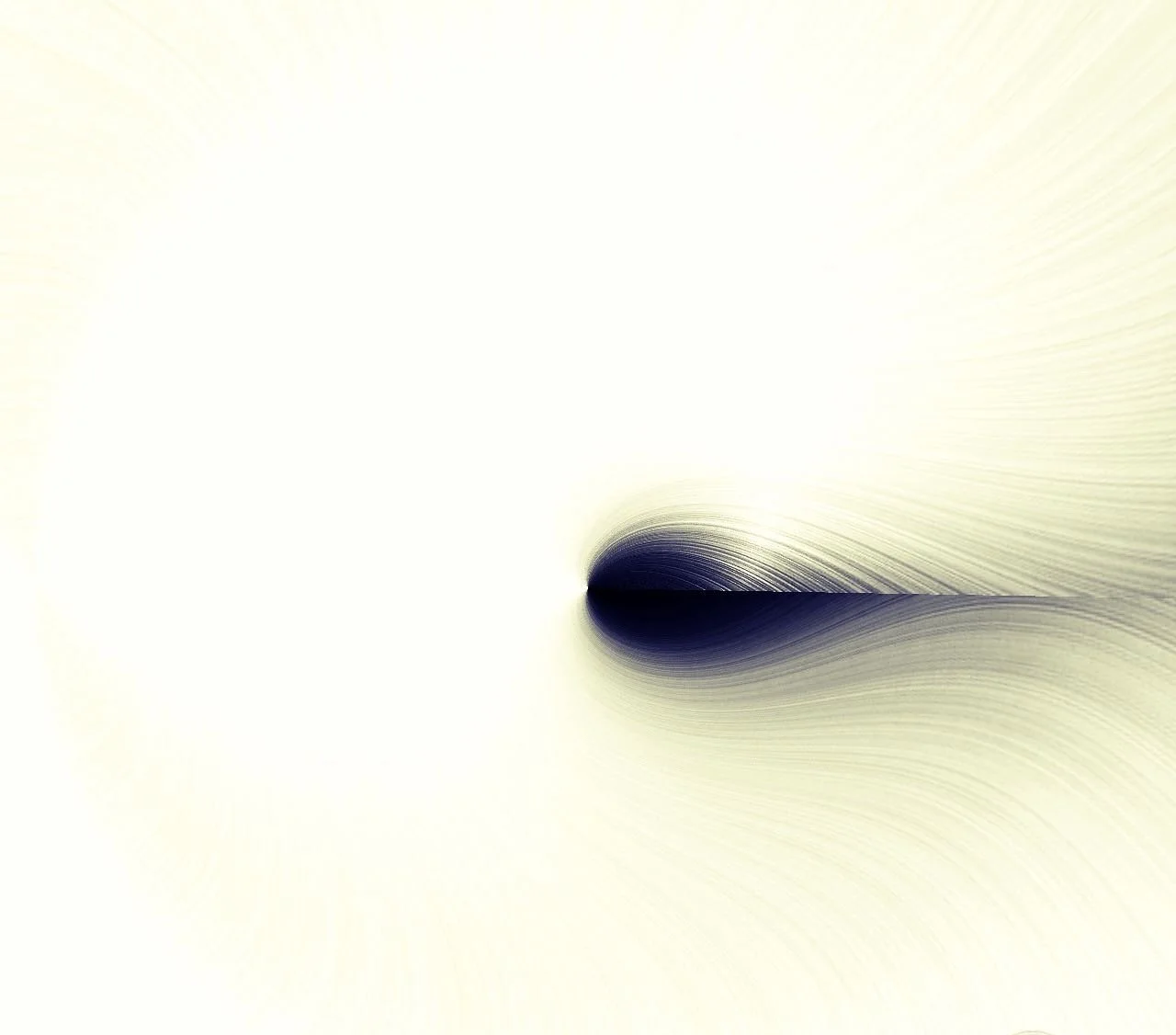
On subtraction, space and the value of quiet photography
We live in an age saturated with images. Photography has never been so accessible, so immediate, so omnipresent. Screens accompany us from the moment we wake up to the moment we fall asleep, and images flow continuously through our days: social feeds, advertisements, news, entertainment. In this context, photography is increasingly asked to perform. It must attract attention quickly, stand out instantly, explain itself without hesitation. The image is expected to be loud, assertive, unmistakable.
Yet this constant demand for visibility comes at a cost. The more images try to impress, the faster they are consumed. What captures attention for a second often disappears the next. Visual impact replaces visual endurance. Photography becomes an object of momentary stimulation rather than a lasting presence.
This is not a critique driven by nostalgia, nor a rejection of contemporary visual culture. It is simply an observation of how abundance alters perception. When everything competes for attention, attention itself becomes fragile. And photography, which once required time and distance, is now compressed into an instant reaction.
In this landscape, silence appears almost countercultural.
Many contemporary photographs are constructed to deliver their message immediately. They rely on strong contrasts, explicit narratives, striking subjects. There is little left unresolved. Everything is designed to be understood at first glance. This approach works well in fast-moving digital environments, but it often reveals its limits when photography leaves the screen and enters physical space.
An image that performs well online does not necessarily perform well on a wall. What feels exciting in a feed can become overwhelming in a room. When a photograph insists on being noticed, it risks exhausting the gaze over time. Instead of opening a space, it closes it.
This is where the question of subtraction becomes central.
Subtraction is often misunderstood as minimalism for its own sake, or as a lack of content. In reality, subtraction is an act of precision. It is a way of deciding what truly matters within the frame and allowing everything else to fall away. By removing what is unnecessary, the image gains clarity. By gaining clarity, it gains space. And space allows the image to breathe.
A quiet photograph does not demand attention. It does not try to convince. It does not explain itself exhaustively. It exists with a certain restraint, leaving room for the viewer to enter. This does not make it weaker; on the contrary, it gives it endurance. Images that do not shout can stay longer. They resist the fatigue of constant exposure.
This approach becomes especially relevant when photography is conceived as something that lives in a space rather than passing through it. A photograph displayed in a home, a studio or a public interior is not encountered once. It is seen repeatedly, often indirectly, sometimes without conscious focus. It becomes part of the environment, part of daily life.
In this context, photography shifts from being a statement to being a presence.
Images that coexist with architecture, light and silence require a different sensibility. They cannot rely on shock or excess. They must hold their ground quietly. They must be able to remain without overwhelming. This is why subtraction is not an aesthetic choice alone, but an ethical one. It respects both the space and the viewer.
My work moves in this direction deliberately. Not as a reaction against contemporary photography, but as a positioning within it. I am interested in images that do not compete with their surroundings, but enter into dialogue with them. Photographs that can inhabit a room rather than dominate it.
This choice affects every stage of the process: composition, colour, scale, printing. It also affects how images are presented and released. Instead of offering collections as complete sets, I introduce photographs individually. One image at a time. This is not a marketing strategy, but a conceptual one. Each photograph deserves its own space, its own time to be encountered.
Attention, today, is one of the rarest resources. Treating it with care becomes part of the work.
Quiet photography is not about emptiness. It is about density without excess. It is about images that reveal themselves gradually, that change slightly depending on light, distance and mood. Images that do not exhaust their meaning immediately, but unfold over time.
Some photographs are made to be seen once. Others are made to be lived with.
In choosing silence, subtraction and space, photography regains a certain dignity. Not as an object of consumption, but as a companion. Not as a spectacle, but as a presence that remains.
If this image resonates with your space, you can explore the full collection.