The Role of Authorial Photography in Shaping Interior Spaces
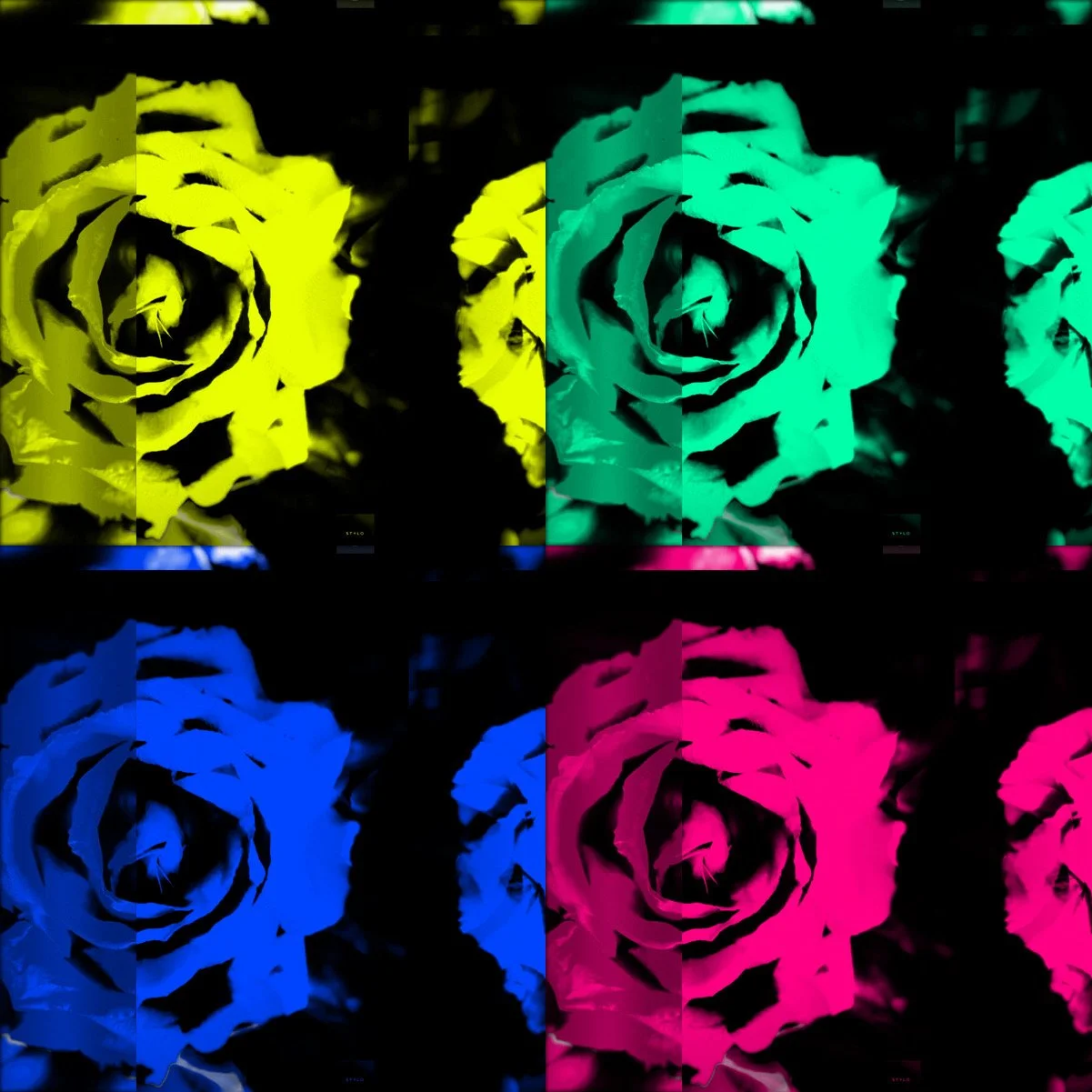
In contemporary interior design, visual choices are no longer secondary considerations. Spaces today are conceived as cultural environments—places that communicate identity, sensibility, and intention. Within this landscape, authorial fine art photography has assumed a central role, offering more than visual appeal: it introduces thought, authorship, and narrative into the built environment.
Unlike decorative imagery produced for immediate consumption, fine art photography carries the weight of a personal vision. It is the result of sustained research, formal exploration, and a conscious relationship with reality. To place such a work within an interior is to invite a point of view—one that unfolds slowly and rewards attentive looking.
Beyond decoration: photography as presence
Many interiors rely on imagery as a purely decorative device. These images often function as visual fillers, chosen for their neutrality or trend alignment. Their purpose is to complete a wall, not to activate a dialogue.
Authorial photography operates differently. Each photograph exists as an autonomous work, capable of sustaining meaning beyond its immediate context. When introduced into an interior space, it does not dissolve into the background; instead, it establishes a quiet but deliberate presence.
This presence alters the perception of the space itself. Walls are no longer surfaces to be adorned, but sites of visual and conceptual exchange.
Constructing spatial identity through images
Every interior tells a story, whether intentionally or not. The selection of visual elements—particularly photographic works—plays a decisive role in shaping that narrative.
Fine art photography contributes to spatial identity by:
Introducing a coherent visual language
Reinforcing the conceptual character of an environment
Communicating cultural awareness and authorship
In private interiors, such works often become intimate companions, images that resonate with personal memory and lived experience. In professional or public settings, they function as curatorial statements, signalling precision, depth, and aesthetic commitment.
Photography in public, professional, and transitional spaces
Increasingly, architects, interior designers, and curators integrate fine art photography into offices, hospitality spaces, galleries, and commercial environments. This is not a decorative trend, but a curatorial strategy.
In these contexts, photography operates as a mediator between architecture and human experience. It softens, complicates, and enriches the spatial narrative. A carefully chosen photographic work can slow down perception, introduce rhythm, and create moments of reflection within otherwise functional environments.
Rather than serving as branding imagery, authorial photography lends credibility and depth, allowing spaces to communicate values without explicit statements.
Time, endurance, and visual depth
One of the defining qualities of fine art photography is its relationship with time. Unlike images designed for rapid consumption, authorial works are meant to endure. Their meaning does not exhaust itself at first glance; instead, it unfolds gradually.
This temporal dimension makes fine art photography particularly suited to interiors conceived as long-term spaces. Such images age with the environment, acquiring new associations and emotional resonances as time passes.
Living with photography: a curatorial choice
To live or work with fine art photography is to make a curatorial decision. It implies an engagement with artistic research and an openness to visual complexity.
When photography enters daily life through interior spaces, it transcends institutional boundaries. Art becomes part of routine experience—quiet, persistent, and profoundly human.
Conclusion
Integrating authorial photography into interior spaces is not an act of embellishment, but one of definition. It reflects a desire to inhabit environments shaped by intention, depth, and visual intelligence.
Fine art photography does not simply decorate space—it articulates it. Through carefully produced works, interiors gain character, continuity, and a sense of presence that extends beyond design trends.
In contemporary spatial practice, photography is no longer an accessory. It is a curatorial element, capable of shaping how spaces are perceived, remembered, and lived.
If this image resonates with your space, you can explore the full collection.