“Leaving the Provincial Mindset: The World Is Bigger Than Your Hometown”
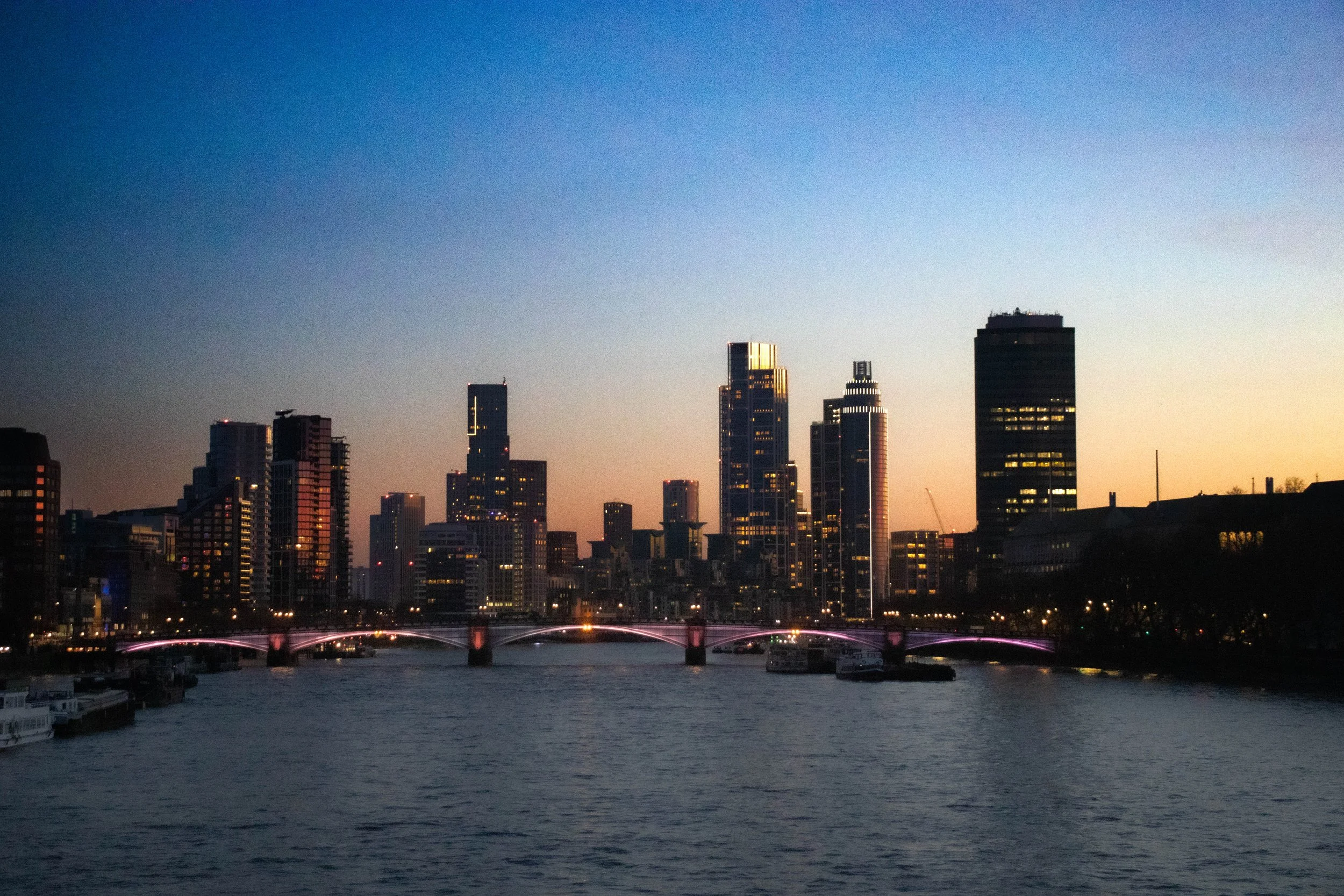
Leaving the Provincial Mindset: The World Is Bigger Than Your Hometown
There is a particular illusion that many people are raised with: the idea that the world begins and ends where we are born. A town, a region, a cultural habitus becomes the centre of everything — and somehow the measure of what is valuable. Yet nothing could be more limiting. The truth is brutally simple: the world is far wider, richer, and more diverse than the comfortable little corners we come from.
In photography, in art, and in culture in general, provincial thinking creates invisible borders long before geography does. It tells you which style is legitimate and which isn’t. It tells you what “sells” and what doesn’t. It also tells you that recognition must come from local approval — as if the value of your work needed to be validated by the neighbours.
But creativity, by nature, refuses borders. The moment you publish your work online, you don’t belong to a village anymore. You belong to a world.
What provincialism really is
Provincialism is not a matter of geography. There are provincial minds in huge cities and cosmopolitan minds in tiny villages. It is a mindset, not a location. A provincial mind believes that what happens “here” is more real than what happens elsewhere. It believes local judgment is universal truth.
A global mind knows the opposite: what we see locally is only a fragment — and often the least relevant one.
Why the digital world exposes provincialism
For decades, artists had to rely on local recognition. Today, the audience is global by default. You post a photograph and in a matter of seconds it can be seen in Tokyo, New York, Reykjavík or Singapore.
And yet, surprisingly, many still behave as if they were speaking only inside a small room. They shape their language, their topics, even their ambitions based on the expectations of people who live just a few kilometres from them.
The digital age didn’t make us global. It simply exposed who was already thinking globally and who wasn’t.
Nothing truly meaningful happens “locally” anymore
Art, culture, technology, and even taste circulate at global speed. Local validation is often the slowest and most conservative one. The same communities that hesitate today are the ones that will praise you tomorrow — when someone else (usually abroad) has confirmed your worth first.
The irony? Many of the greatest Italian artists became celebrated abroad long before Italy even noticed.
If your audience is abroad, speak their language
We live in a multilingual planet. English is a tool, not a betrayal of identity. It’s not a rejection of origins — it’s an expansion of them. When your audience is international, writing in English is not an affectation. It’s communication. It’s intelligence. It’s professionalism.
Why restrict your voice to a provincial frequency when the world speaks another language?
Where you live is not where you belong
Creative identity isn’t tied to the street you were born in. If your work resonates more in Japan, or Canada, or Australia, that’s not accidental — it’s a signal. A photograph doesn’t know geography. Beauty doesn’t need a passport.
You don’t need permission from your hometown to exist. The world already exists for you.
The world is bigger — and so are you
You can stay attached to local habits, but you’re free to move mentally and artistically anywhere you want. That’s the privilege of our time. We are the first generation that can belong everywhere.
A provincial mindset will always feel threatened by a global one. But that’s not your problem. Your job is to open windows, not close them.
Some people are born to stay local.
Others are born to cross borders — even without moving.
The world is bigger than your hometown.
And so is your work.
You don't have to belong to a place to be legitimate.
One of the greatest Italian illusions is to believe that one's career must “pass through” a certain territory: the city, the province, the association, the group, the gallery of reference. As if a local baptism were necessary in order to exist elsewhere.
It is exactly the opposite. The most interesting works are created when one frees oneself from the need to belong. When you abandon the idea that someone has to “validate” what you do. Art has no accent. Photography does not speak dialect. It is not Roman, Milanese, Apulian or Lombard. It is not even Italian, French or Japanese. It is a universal language, understandable on every continent. Images do not ask which province you live in: they only ask what you have to say.
Provincialism arises when we are more concerned with being recognised close to home than communicating with the rest of the world. The world is looking for what Italy still ignores
It is paradoxical: outside Italy, there is enormous interest in Italian photography, in Mediterranean poetics, in our light, our cultural sensitivity. But many Italian photographers, instead of engaging with that world, chase local approval. Meanwhile: the most active buyers are foreign, international platforms generate more opportunities, and the most dynamic markets are outside Italy.
It is cruel but simple: what goes unnoticed in the provinces can become valuable in other countries. You don't have to apologise for looking further afield. There is still a strange idea that leaving your local context is tantamount to betraying it. But it is not a moral choice: it is a professional choice. It is seriousness, vision, future. The only real betrayal would be to stay where there are no opportunities. The world is bigger than your home.
This statement is deliberately provocative, but it is also profoundly true. Remaining closed off to local dynamics means giving up on the world at a time in history when the world is more open, closer and more accessible than ever before.
Provincialism is a form of self-limitation. Breaking out of it is a duty to oneself. Looking far ahead is not presumption, it is survival. The future of photography — as with any creative discipline — will not be decided by a city, a province or a single local group. It will be decided by those who know how to connect with the world, engage with different cultures, build international networks, share and grow.
We don't have to ask anyone's permission to do this.
We just need to have the courage to look up.
If this visual language speaks to your space, you can explore more works.