The Rise of Fine Art Photography Books as Collectibles
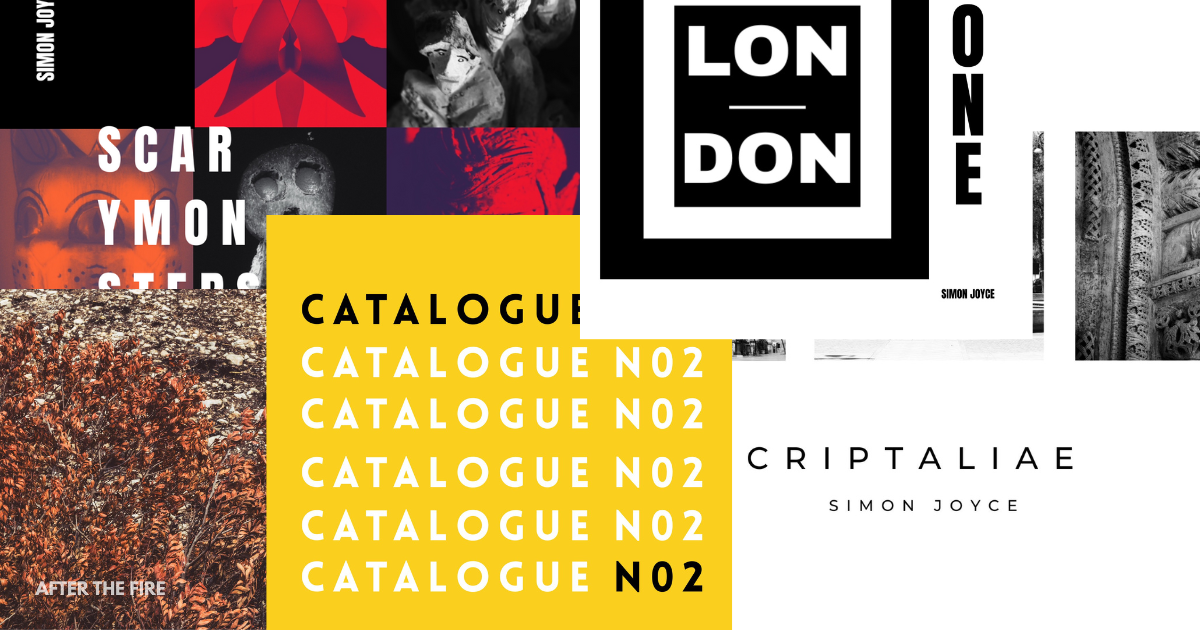
The Renaissance of the Photography Book: When Images Become Objects of Art
“Books are the perfect place for photographs to live.” — Alec Soth
Fine art photography books have increasingly become collectible art objects within the contemporary art market. This article is written for those who see photography books not as secondary objects, but as primary works of art — meant to be lived with, revisited, and collected over time. In an era dominated by screens and ephemeral digital images, the photography book is experiencing a powerful renaissance. Once seen as simple repositories for images, these volumes have reclaimed their role as complete works of art — tactile, intimate, and enduring. Collectors, artists, and curators now view the photo book not just as a container of pictures, but as a self-contained artistic statement that bridges photography, design, and storytelling.
Very often I find myself shooting like in this photo Modern Forest looking for a series of images that dialogue with each other rather than a single flash of inspiration.
The Evolution of Fine Art Photography Books
The story of the photography book begins in the 19th century, when pioneers like William Henry Fox Talbot compiled early prints into albums such as The Pencil of Nature (1844). Over time, photographers began to recognize the book as a medium capable of conveying rhythm, emotion, and sequence — a narrative form in itself. By the mid-20th century, names like Robert Frank (The Americans), Henri Cartier-Bresson (The Decisive Moment), and Ansel Adams (Sierra Nevada: The John Muir Trail) had transformed the photo book into an essential part of photographic history.
“The book is a unique vehicle — a sequence, a rhythm, a meditation.” — Robert Frank
This understanding of the book as a rhythmic, intentional space is what continues to distinguish meaningful photo books from simple image collections.
Why Fine Art Photography Books Have Become Collectibles
Today, fine art photography books attract an audience that appreciates not just the images, but the craftsmanship, rarity, and cultural meaning behind them. A limited-edition photo book can hold the same emotional and financial value as a photographic print. Often, it becomes the most intimate way to experience a photographer’s vision — closer, quieter, and more personal. Collectors seek out hand-signed copies, numbered editions, and special bindings that elevate the book into the realm of collectible art.
But beyond investment, what makes these books truly valuable is their permanence. In a time when digital platforms vanish with a click, a beautifully printed book holds weight — literally and metaphorically.
What Makes a Photography Book Truly Collectible?
Not every photography book becomes a collectible. Factors such as limited print runs, conceptual coherence, printing quality, and the reputation of the artist or publisher play a decisive role. Books produced in small editions — often under 1,000 copies — tend to retain long-term cultural and market value. The sequencing of images, the paper choice, the binding, and the design language all contribute to transforming a publication into a collectible art object rather than a simple catalogue.
Collectors often look for first editions, signed copies, and publications that mark a turning point in an artist’s career. In many cases, the book becomes more influential than individual prints because it represents a complete, intentional body of work.
The Material Soul of Photography
A photo book engages more than just the eye. The paper texture, the smell of ink, the sound of a turning page — all are part of the experience. High-quality printing methods, archival materials, and thoughtful design transform these objects into multisensory experiences. As Susan Sontag once wrote, “To collect photographs is to collect the world.”
A photo book is, in this sense, a personal world — curated, bound, and preserved.
Limited Editions and the Artist’s Touch
Limited editions hold a particular allure: a signature, a number, a tactile trace of the artist’s hand. The same philosophy applies to limited edition fine art prints, where scarcity, craftsmanship, and artistic intention define both value and experience. These details bridge the distance between creator and collector, transforming ownership into connection. The intimacy of holding a signed copy — knowing the photographer’s hand has touched it — brings authenticity and meaning that digital editions can never replicate. For example, I will finish a book that recounts my relationship with London, which you can read about in: London Through My Lens | Photography & City Inspiration
How to Start Collecting Fine Art Photography Books
Starting a photography book collection doesn’t require vast resources — just curiosity and passion. Seek out independent publishers like MACK, Aperture, or Steidl, whose books often become cult classics. Follow contemporary artists experimenting with new forms — from zines to conceptual editions. Attend fairs such as Paris Photo or Photo London to experience firsthand how diverse and alive the field has become.
Whether it’s the minimal elegance of Michael Kenna, the surreal poetry of Francesca Woodman, or the raw intimacy of Nan Goldin, each book offers a world to enter — page by page.
“In a book, photographs find their true sequence — their breath.” — Daido Moriyama
In the digital age, the return of the photography book reminds us that beauty still resides in slowness — in turning pages, in touching paper, in contemplation. A strong collection is never about quantity, but about coherence — a dialogue between books that reflect how you see the world. It’s a renaissance that celebrates not nostalgia, but presence: the enduring power of holding art in your hands.
When beginning a collection, it is essential to focus on coherence rather than quantity. Many collectors choose a specific theme — contemporary minimalism, conceptual photography, urban narratives, or abstract visual studies — and build around it. Researching secondary market trends, gallery representation, and institutional recognition can also help identify books with lasting relevance.
Above all, collecting fine art photography books is a deeply personal process. The most meaningful collections are those that reflect a collector’s aesthetic sensibility and intellectual curiosity.
If this way of thinking about photography books resonates with you, you may explore a curated selection of limited edition photography books shaped by the same vision.
If this visual language speaks to your space, you can explore more works.