The Photograph: Destination and Material?
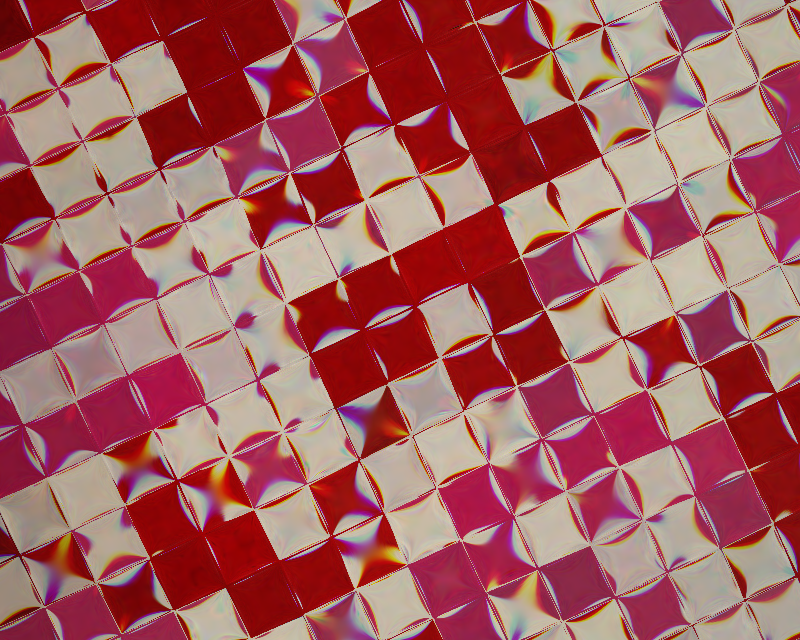
A photograph is usually understood as a finished thing. We press the shutter, choose the frame, work on the file and eventually arrive at an image that feels complete. It can be printed, published, exhibited or simply kept. The photograph has reached its destination. But what if that destination is not necessarily the end of the journey?
Photography has always been more flexible than the idea of the finished image suggests. A negative can be enlarged, cropped, printed on different materials, combined with other images or altered through processes that were unavailable at the moment it was created. Digital tools have simply expanded this possibility. The important question is not whether a photograph has been manipulated. Almost every photograph has been interpreted in some way. The more interesting question is what happens when manipulation becomes part of the creative process itself.
This is not about the old argument between “real” and “fake” photography. That opposition is increasingly unproductive. A photograph can document something that existed in front of the camera and still become the starting point for something that never existed in that form. The original photograph does not have to disappear for this to happen. It can remain intact while another image grows from it.
A photograph can therefore be both destination and material.
This changes the role of the photographer. The camera is no longer necessarily the final instrument of the work. It becomes the first one. What follows may involve distortion, repetition, reflection, fragmentation, layering, colour, geometry or the deliberate destruction of photographic information. An architectural structure can be stretched until it becomes almost abstract. A human figure can lose its proportions and become a shape. A familiar object can be repeated until recognition gives way to rhythm. A landscape can be reduced to texture and light.
The photograph is still there, but its function has changed.
This is where digital experimentation becomes interesting. Tools for deformation, mirroring, refraction, halftone, fragmentation and other forms of visual manipulation can easily become little more than effects. Used without an idea, they produce images that may look attractive for a few seconds and disappear just as quickly. But the same tools can become part of a visual language when they are used to ask a question: what else can this photograph become?
That question moves the work away from correction and towards transformation. Traditional post-production often tries to make an image better, cleaner or more coherent. Transformation has a different ambition. It is not trying to improve the photograph. It is trying to discover something that was not visible in it before.
The starting image may therefore become a kind of raw material. Its lines, colours, textures, shadows and proportions can be taken apart and reorganised. The resulting image may still contain traces of the original, or it may become almost impossible to recognise. Neither outcome is necessarily more valid than the other. What matters is whether the transformation produces a new visual or semantic possibility.
For me, this is one of the most interesting directions photography can take today. Not because technology allows us to manipulate images more easily, but because it encourages us to reconsider what an image actually is.
A photograph does not have to stop being a photograph in order to become something else.
It can be an image, an object, a fragment, a structure, a memory, a surface — and sometimes, simply, the material from which another image begins.
The photograph can be the destination.
And it can be the material.
Perhaps there is no contradiction between the two. Perhaps the freedom lies precisely in not having to choose.