WHEN PHOTOGRAPHY IS NOT ABOUT WHAT YOU SEE
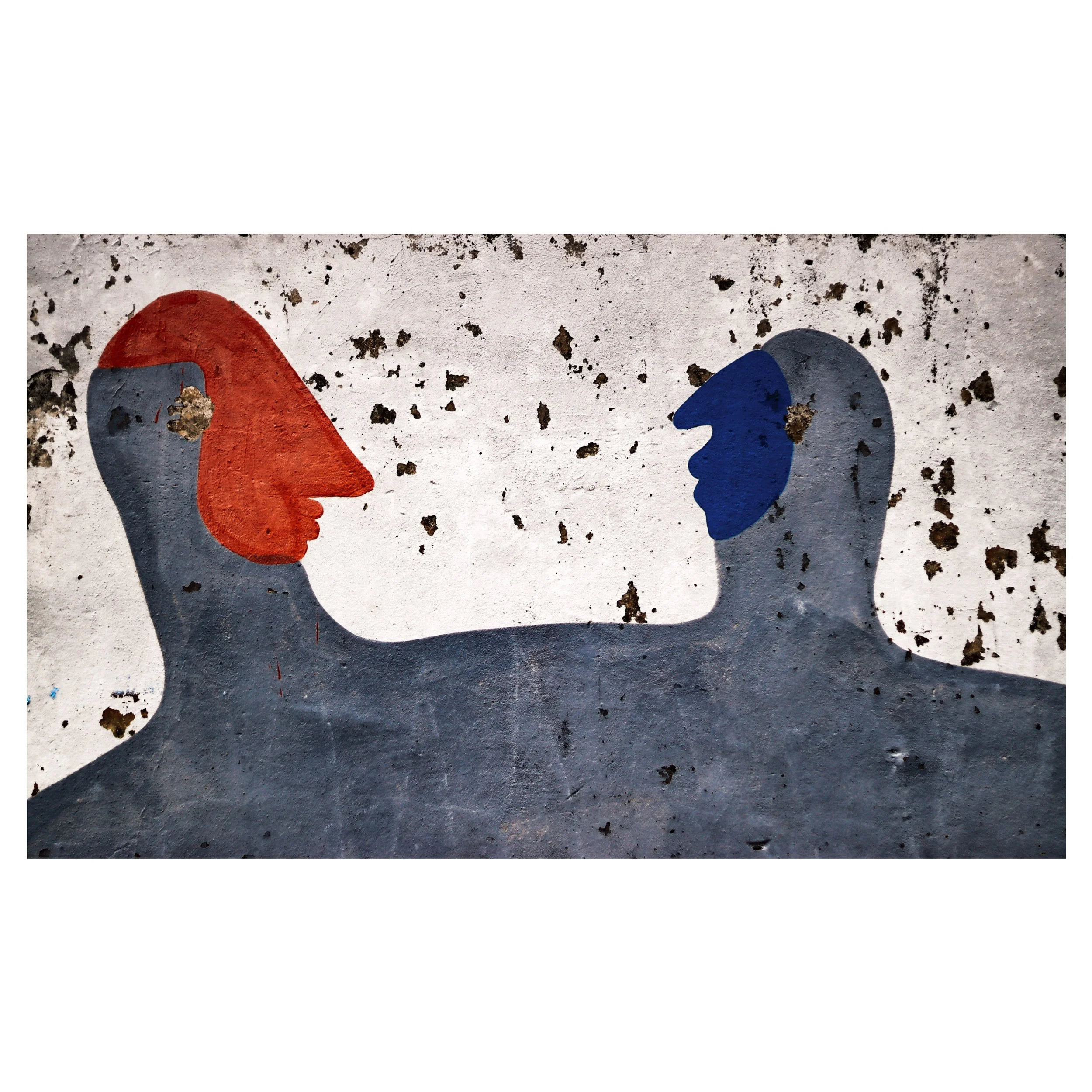
We tend to believe that photography shows reality. We look at an image and assume everything is there, visible and complete, as if the frame were a container of truth. A flower is a flower. A face is a face. A landscape is a landscape. The surface appears sufficient. And yet, in fine art photography, what is visible is rarely the full story. The image is not only what it represents. It is the trace of an intention, the residue of a choice, the outcome of a silent negotiation between perception and meaning.
Photography records light, but it does not automatically record significance. Significance is constructed. It emerges from what is included and what is excluded, from the angle chosen, from the distance maintained, from the decision to wait or to press the shutter immediately. In conceptual photography especially, the subject is often secondary. It becomes a vehicle, a structure through which something else is investigated. The object remains visible, but its function shifts. It is no longer there to be admired; it is there to hold an idea.
A flower can be approached as nature, as beauty, as color and delicacy. Or it can be approached as axis, geometry, tension. The same organic form can become a study of verticality, of diagonals, of equilibrium between stability and movement. In this shift, photography moves from representation to reduction. The question is no longer “What is this?” but “What is happening within this form?” Reality is not denied. It is distilled.
There is a tendency to confuse photography with documentation. Because the medium has a mechanical origin, because the camera seems objective, we assume neutrality. But as Susan Sontag wrote, “To photograph is to appropriate the thing photographed.” The act of framing is already an act of interpretation. Every photograph isolates a fragment of the world and elevates it to significance. That isolation is not innocent. It reveals what the photographer was searching for, consciously or unconsciously.
Some images are constructed deliberately, with a precise intention, a controlled composition, a premeditated structure. In those cases, meaning is pursued actively. The photographer builds the image as one would build an argument. Line by line, balance by balance, tension by tension. In other moments, the process is less conscious. The photographer responds rather than constructs. Something resonates internally and the shutter responds before the mind formulates a theory. Only later does the deeper meaning surface. But even then, the image was not empty. It was carrying something already present, waiting to be recognized.
This is where the difference between surface and depth becomes crucial. When we look at a photograph, we often stop at the identifiable subject. We categorize it quickly. Flower. Portrait. Architecture. Abstract. The mind seeks clarity and moves on. Yet the most meaningful work in fine art photography often resists this immediate consumption. It invites a second look. It asks the viewer to move beyond the object and perceive the structure that sustains it. What tensions are present? What balance is being negotiated? What has been removed?
Reduction is not simplification. It is concentration. By removing excess, by isolating form, by limiting distraction, the image can intensify. Silence becomes visible. Geometry becomes expressive. The subject becomes almost secondary to the relationships inside the frame. In that moment, photography is not describing the world; it is reorganizing it.
In my own practice, certain works may appear botanical or natural at first glance. Yet the intention is rarely descriptive. The subject becomes material. A vertical stem establishes an axis. Petals introduce directional force. Light creates hierarchy. The image is constructed not to celebrate the object, but to explore the structure it offers. The visible reality is a starting point, not the destination. What matters is the tension between what is shown and what is implied.
Photography, in this sense, becomes an act of distillation. It is not about adding meaning but uncovering it. It is not about inventing symbolism but recognizing internal alignment. Every image, whether consciously constructed or intuitively captured, carries a fragment of thought and emotion. Even when the photographer does not articulate it immediately, it is embedded in the choices made. The surface may appear calm, minimal, restrained. Underneath, there is always a negotiation between perception and intention.
When photography is reduced to mere representation, it becomes decorative. When it engages structure, tension and silence, it becomes inquiry. Fine art photography is not satisfied with showing what exists; it seeks to reveal how it exists within a frame of meaning. The camera does not simply capture light. It shapes attention. And attention is never neutral.
To look at a photograph and believe everything is there is to mistake the skin for the body. The visible is only the threshold. Beneath it lies structure, intention, and the quiet presence of the person who stood behind the lens. Photography is not always about what you see. It is about what remains when the obvious has been removed.
If this image resonates with your space, you can explore the full collection.