Why Minimalism Creates Stronger Photographs
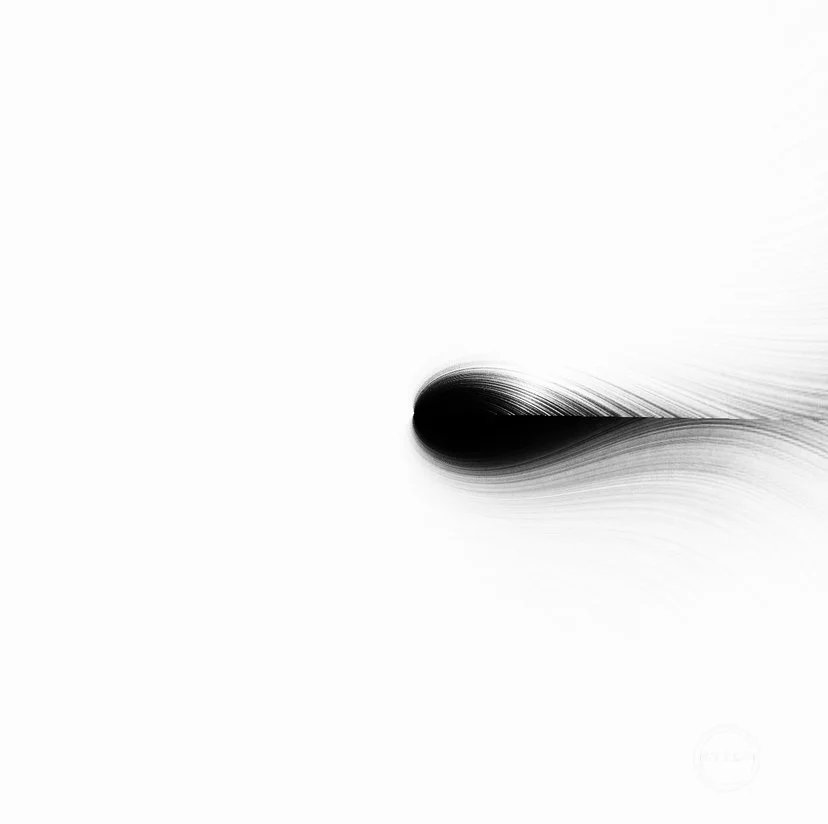
Minimalism in photography is often misunderstood.
Many people think it simply means removing elements from the frame. In reality, minimalism is not about subtraction — it is about clarity.
A minimalist photograph works because it allows the viewer to focus on what truly matters. Instead of competing visual elements, the image offers a clear structure where light, shape and space become the primary language.
In this sense, minimalism is not emptiness.
It is concentration.
The Power of Visual Silence
In everyday life our eyes are constantly overwhelmed by information: colors, objects, movement, noise. A minimalist image does the opposite. It creates a space where the eye can finally rest.
This visual silence is powerful. When a photograph removes unnecessary distractions, the smallest details become meaningful — a curve, a shadow, a line of light.
Minimalist photography slows down perception. It invites the viewer to spend more time inside the image.
What appears simple at first glance often reveals unexpected depth.
Light Becomes the Subject
In many minimalist photographs, light itself becomes the central subject. Without complex scenes or multiple objects, illumination shapes the entire composition.
A subtle gradient of light across a surface can define volume.
A shadow can become structure.
A small highlight can guide the eye through the frame.
By reducing visual complexity, minimalism allows light to act almost like a sculptor, shaping the photograph from within.
This is why many minimalist works feel closer to sculpture or architecture than to traditional photography.
Space as an Active Element
Another important characteristic of minimalist photography is the use of space.
Empty areas in an image are often misunderstood as “nothing”. In reality they function as breathing room for the composition. Space creates balance and directs attention toward the essential elements of the frame.
In visual design this is sometimes called negative space, but in photography it becomes something more subtle: a field where tension and calm coexist.
When used carefully, space can give a photograph a sense of quiet strength.
Simplicity Requires Precision
Paradoxically, minimalism is not easier than complex photography. In many cases it is more demanding.
When there are only a few elements in the frame, every detail matters. A small shift in framing, a slight variation in light, or a subtle change in contrast can completely transform the image.
Minimalist photography requires patience, attention and a careful relationship with light and form.
But when these elements come together, the result can be strikingly powerful.
Seeing Less to Express More
Minimalism invites photographers to reconsider the act of seeing.
Instead of searching for more objects, more color or more action, the photographer begins to look for essence. A single flower, a geometric structure, a line across a landscape — these simple forms can contain surprising emotional depth.
In a world filled with visual noise, minimalism reminds us that sometimes the most powerful images are the quietest ones.
To see less can sometimes mean to express more.
If this image resonates with your space, you can explore the full collection.