Build or capture? A false dichotomy
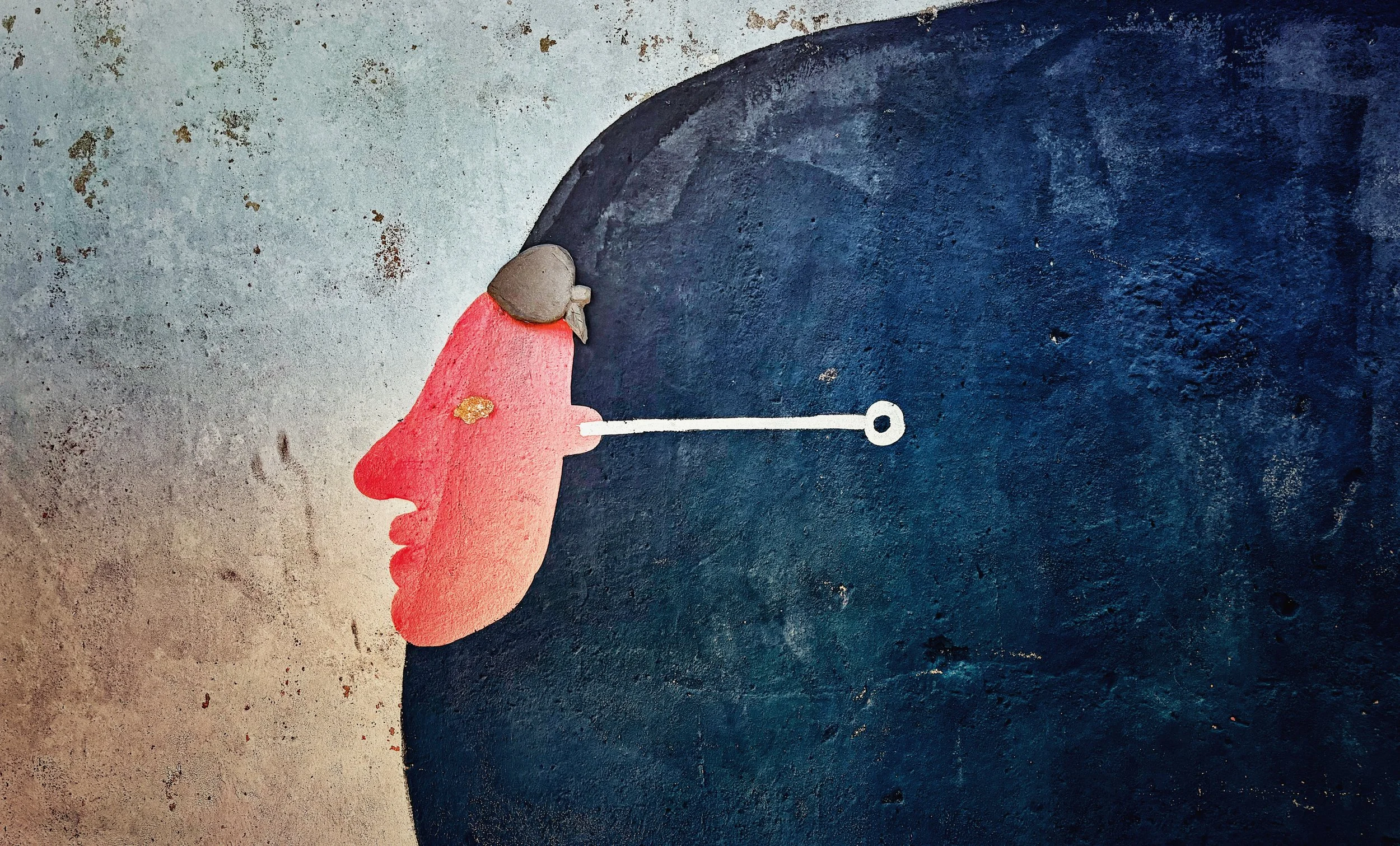
Is there really a conflict between constructed photography and captured photography? This question resurfaces regularly in photographic discourse, often fueled by rigid oppositions: on one side, the idea of a “pure,” spontaneous, instinctive photography; on the other, a photography that is planned, built, controlled. But is this opposition real, or is it merely a convenient simplification?
Captured photography is traditionally associated with the decisive moment—the instant that unfolds in front of the lens and that the photographer must recognize and fix. It requires readiness, sensitivity, and the ability to read the world as it is. In this approach, the author seems to step aside to let reality speak. Yet this idea of neutrality is largely an illusion. Even when everything appears spontaneous, the gaze never is. The choice of viewpoint, timing, and framing is already a form of construction.
Constructed photography, on the other hand, makes explicit what remains implicit in captured photography. Here the photographer intervenes before the shutter is released: planning, organizing, removing what is unnecessary, sometimes introducing artificial elements or reshaping space. It is a slower, more reflective process, often closer to the language of contemporary art than to reportage. It does not chase events but seeks form. It does not pursue the instant, but coherence.
The conflict arises when a moral value is assigned to these two approaches. As if captured photography were more authentic, more truthful, while constructed photography were artificial, cold, or less “honest.” But photography is never a neutral proof of reality. It is always an act of interpretation. What changes is the moment when that interpretation takes place: before or during the shot.
For those working with abstract or conceptual photography, this distinction becomes even more fragile. Abstraction is not necessarily an escape from reality, but another way of engaging with it. An isolated shadow, a surface, a decontextualized detail can be captured spontaneously or constructed with extreme precision. In both cases, what matters is not the origin of the gesture, but its intention.
Conceptual photography, in particular, demands clarity of thought. A concept does not arise by chance. Even when an image appears minimal or open to interpretation, there is a precise choice behind it: what to show, what to exclude, where to stop. This does not mean controlling everything, but taking responsibility for the outcome.
Perhaps the point is not to choose sides, but to recognize that every photograph exists on a spectrum. There are images that seem spontaneous but are the result of years of training the eye. And there are constructed images that leave room for the unexpected, for error, for surprise. A sharp distinction serves more to simplify the discussion than to deepen understanding.
In this sense, speaking of conflict is misleading. Rather than opposing each other, constructed and captured photography constantly contaminate one another. Even the most instinctive photographer builds a vision over time. Even the most conceptual photographer must eventually confront the living material of the world.
The question then shifts: not “how” a photograph was made, but “why.” What necessity generated it? What tension holds form and content together? When these questions find an answer, method becomes secondary.
In an era where image production is constant and often superficial, choosing to slow down, to think, to construct—or to wait for the right moment to capture—is already a position. Not against someone, but in favor of a more conscious photography.
If this visual language speaks to your space, you can explore more works.