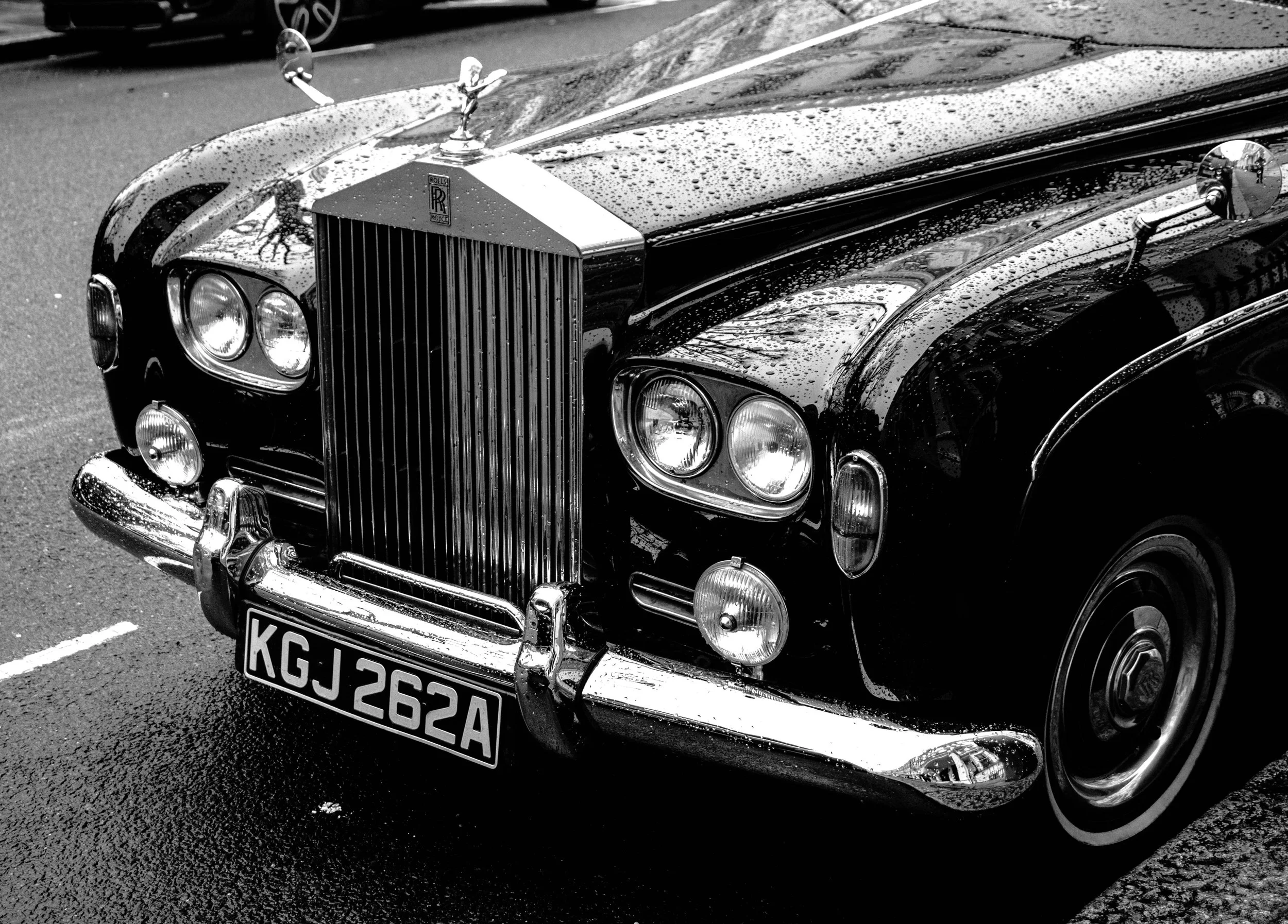
When people think about photography, they usually focus on the image itself. Composition, light, colour, subject matter and technical execution tend to dominate the conversation. Yet there is another element that profoundly influences how a photograph is perceived: the paper on which it is printed.
In an age where most photographs are viewed on screens, the physical print remains one of the most powerful ways to experience an image. A fine art print is not simply a photograph transferred onto paper. It is the result of a dialogue between image, material, texture and light. The choice of paper affects not only the appearance of a photograph but also its emotional presence.
Just as light shapes the way we see a scene and space influences the way we experience it, paper determines how a photograph exists in the physical world. It affects contrast, colour reproduction, black density, detail rendering and even the atmosphere perceived by the viewer.
Different photographic papers create very different visual experiences. A smooth matte paper may emphasise subtle tonal transitions and create a softer, quieter appearance. A baryta paper can introduce deeper blacks and richer contrast, adding depth and visual intensity. Textured papers often bring a tactile quality that encourages slower observation and creates a stronger connection between the photograph and the viewer.
This is one of the reasons why professional photographers, galleries and collectors pay close attention to print materials. The same image can feel dramatically different depending on how it is printed. A photograph that appears delicate and contemplative on one paper may become bold and graphic on another.
The importance of paper extends beyond technical considerations. It also influences the narrative and emotional character of an image. Photography is not only about what we see but also about how we experience what we see. The surface of a print contributes to that experience in subtle but meaningful ways.
For photographers working with contemporary photography and fine art prints, selecting a paper becomes part of the creative process itself. It is not merely a production choice made at the end of a project. It is an extension of the visual language behind the image.
This is particularly relevant when creating photographic prints intended for homes, studios, offices or exhibition spaces. The surrounding environment, the quality of natural light and the interaction between image and architecture all influence how a print is perceived. Paper plays a central role in this relationship.
At a time when digital images appear and disappear within seconds, physical prints offer something increasingly valuable: permanence. A carefully produced fine art print transforms photography from a fleeting visual experience into an object that can be lived with, observed repeatedly and appreciated over time.
For this reason, we believe that choosing a photographic print should never be limited to selecting an image. Understanding the material on which that image is printed is equally important. The paper is not simply a support. It is part of the photograph itself.