Why I Prefer Ideas Over Technical Perfection
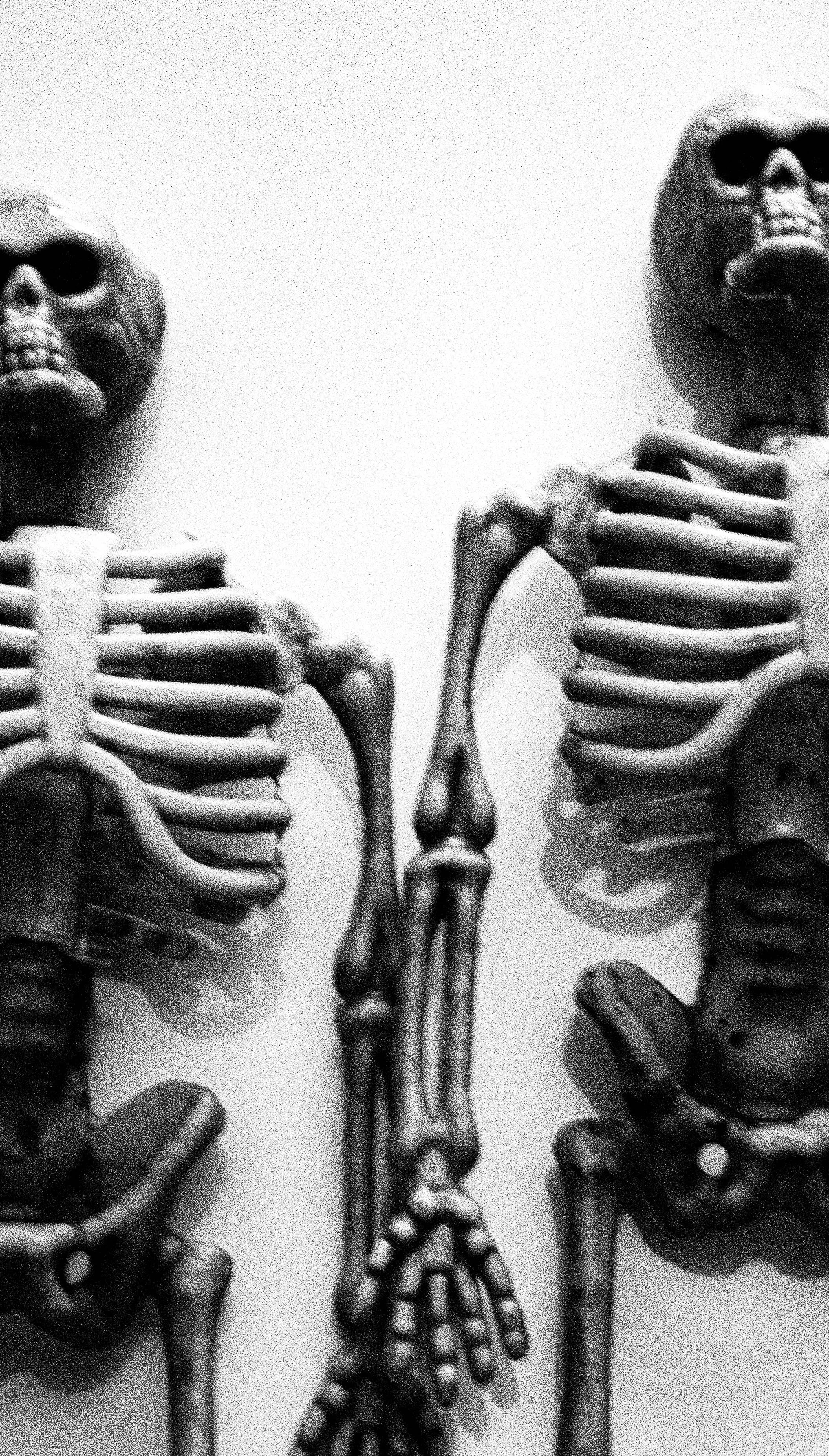
Technical perfection can impress. A strong idea can stay with us for years.
I think we live in a time obsessed with perfection. We are constantly encouraged to improve, optimize and refine everything we create. In photography, this often means chasing sharper images, cleaner compositions and flawless editing. While technical skill is undoubtedly important, I have always believed that it is not what makes an image memorable.
Some of the most powerful photographs in history are not remembered because they are technically perfect. They are remembered because they communicate something meaningful. They challenge us, surprise us or reveal something about the human experience. Long after we have forgotten the technical details, we remember the feeling they left behind.
For this reason, I have always been more interested in ideas than perfection. When I work on a photographic project, my first question is rarely about settings, equipment or technique. Instead, I ask myself what I am trying to say. What story am I telling? What emotion am I exploring? What conversation am I hoping to start?
I think photography becomes interesting when an image communicates an idea rather than simply demonstrating technical skill. A technically flawless image can be impressive for a moment, but an image built around a strong concept can remain with us for years. It can invite interpretation, generate discussion and encourage people to look at familiar things in a different way.
This approach also influences the way I think about design and interior spaces. Many people approach design in the same way they approach photography: by searching for the safest solution. They choose colours, furniture and objects that follow established rules because they want everything to look correct. There is nothing wrong with this, but I sometimes wonder whether the pursuit of perfection comes at the expense of personality.
I believe the most memorable spaces are not always the most perfect ones. They are often the spaces that reveal something about the people who inhabit them. A surprising object, an unusual colour combination, a piece of art placed where nobody expects it or even a room used in an unconventional way can transform a functional environment into a meaningful one.
The bathroom, for example, is usually considered one of the most practical rooms in a home. Yet I think it can also become a place of reflection, identity and visual experimentation. A space does not have to remain trapped within its intended function. Just as photography can go beyond documentation, design can go beyond practicality.
This does not mean rejecting technique or ignoring good design principles. On the contrary, technical knowledge provides the foundation that allows us to experiment with confidence. The problem begins when technique becomes the final goal rather than a tool. Rules can guide us, but they should not prevent us from exploring new possibilities.
I think creativity begins when we stop asking whether something is perfect and start asking whether it is meaningful. The most interesting photographs, the most engaging interiors and the most memorable creative projects often emerge from a willingness to take risks. Not reckless risks, but thoughtful ones. The kind of choices that reflect a personal vision rather than a desire for universal approval.
In the end, I am not looking for perfection. I am looking for ideas. Ideas that challenge expectations, create conversations and encourage new ways of seeing. Technical perfection may attract attention, but it is often the strength of an idea that earns a lasting place in our memory.