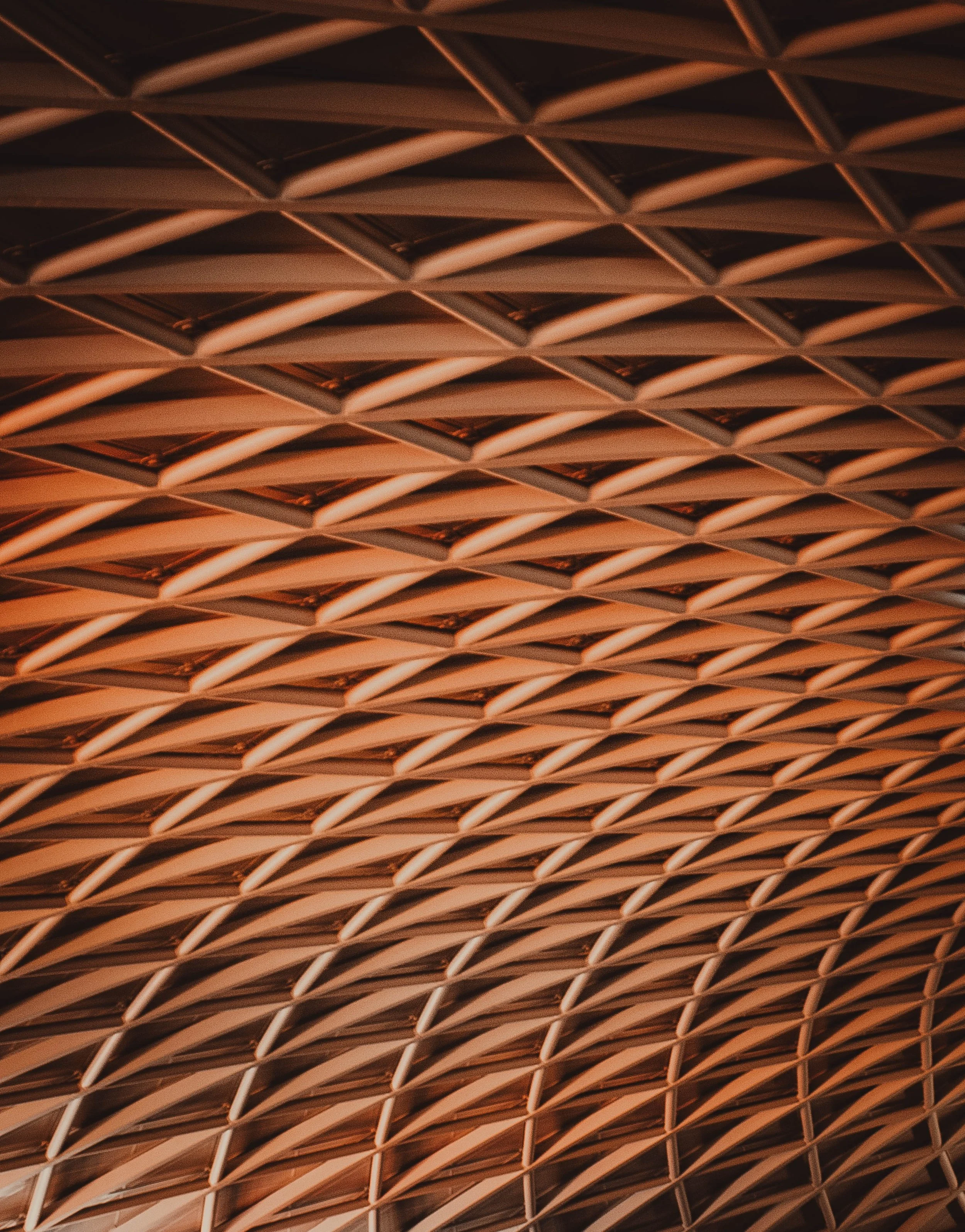
This is a self portrait. This seemingly simple statement holds one of the most radical possibilities within contemporary photography. It is not about turning the camera towards oneself, nor about constructing a recognizable representation of one’s face. Instead, it suggests a way of understanding the image as a trace of vision, as the manifestation of a sensitivity that takes shape through visual form. In this sense, every photograph can be considered a self portrait, even when it contains no visible human presence. Photography, often described as a medium for documenting reality, reveals itself instead as a tool for interpretation, selection, and transformation. What is included within the frame, what is excluded, the way light, matter, and structure are organized—these are all decisions that reflect a personal vision. There is no neutral image, because there is no neutral gaze. Even when dealing with subjects that seem distant from human presence, such as surfaces, architectural structures, or natural elements, what emerges is always a relationship between the observer and the observed. It is within this relationship that the true content of the image is constructed. The photographic project “Controlled Disintegration” originates precisely from this awareness. The images do not aim to faithfully represent a place or an object, but to pass through it, reduce it, and transform it until an essential structure emerges.
Controlled disintegration is not destruction, but a process of subtraction. It is a way of removing the unnecessary to make space for what remains when everything else fades away. Within this process, the image becomes a surface upon which choices, tensions, and balances are inscribed. The subject no longer guides the photograph; instead, it is the gaze that moves through it. Speaking of self portrait, therefore, does not mean referring to identity in its most immediate and recognizable form, but to traces, residues, and subtle signals that reveal a way of seeing. Every line, every contrast, every empty space becomes part of a language that belongs to the one who constructs the image. This shift in perspective allows photography to move beyond a limited understanding of representation and opens up a more complex dimension in which the image becomes a site of reflection and construction. In an increasingly saturated visual environment, where images flow rapidly and often without leaving a trace, thinking of photography as a self portrait means restoring depth and intention. It means slowing down, choosing, constructing. It is not about adding, but about removing, working through subtraction until reaching a balance that is never final but always evolving. This is a self portrait is therefore not an aesthetic statement, but a position. It is the acknowledgment that every image carries within it a part of the person who created it, even when that presence is not immediately visible. It is an invitation to look beyond the subject, to question the structure of the image, and to recognize that what we see is always the result of a choice. In this sense, photography stops being a window onto the world and becomes a mirror, not as a direct reflection, but as a surface that returns a filtered, constructed, and conscious vision. This is a self portrait. Even when it does not appear to be.
Explore SJ’s world