Compulsive Photography: A Phase or a Reflection of Our Time?
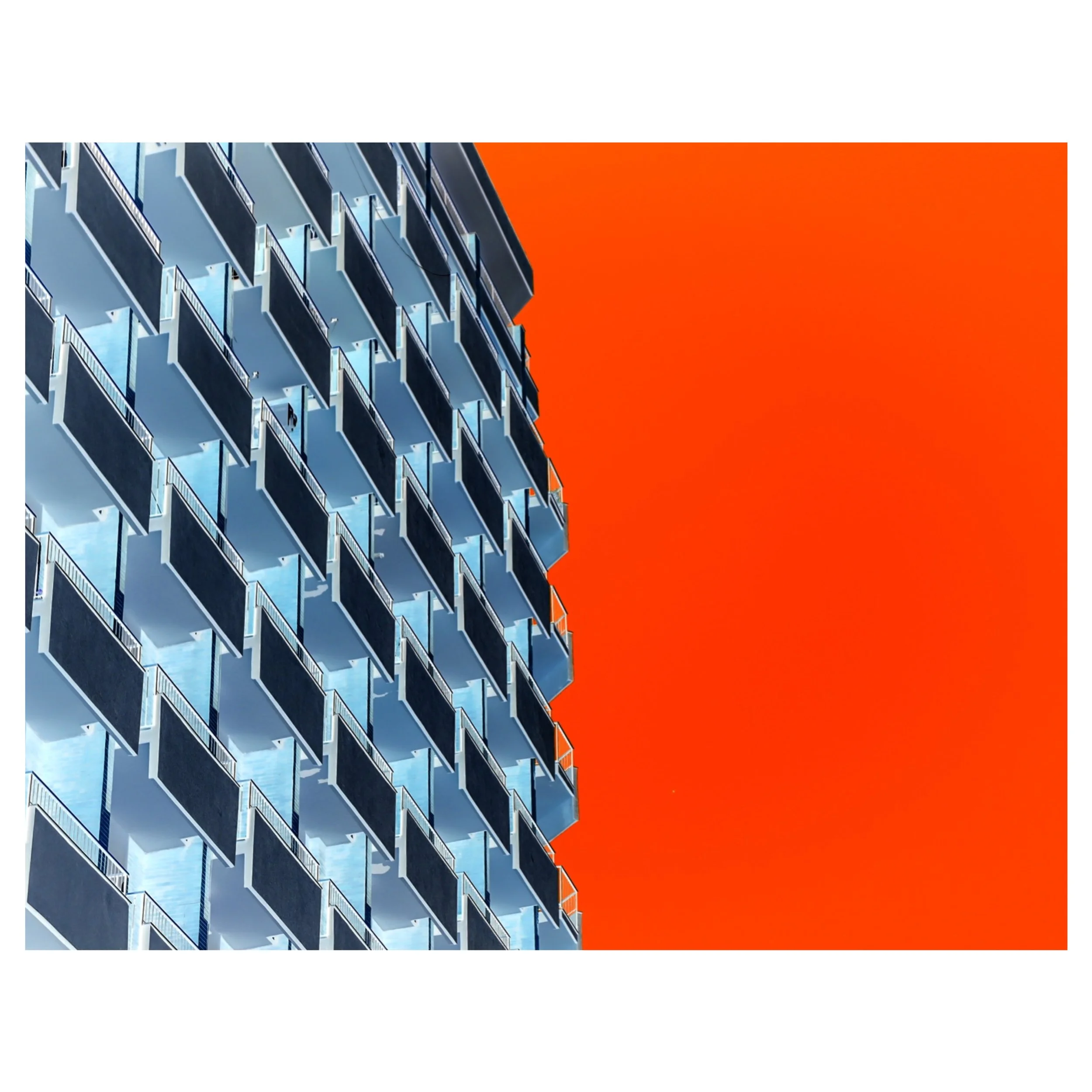
There is a phase in every photographer’s journey where everything seems worth capturing. Every light, every surface, every fleeting detail becomes a possible image. It is not a mistake. It is a form of hunger. In the beginning, photography is driven by the desire to retain, to understand, to not let anything slip away. Compulsive photography is a common phase in contemporary photography; images accumulate like visual notes, often without true selection, guided more by instinct than intention. This impulse, however, is not purely personal. It mirrors a broader condition of our time, where presence is constantly demanded and existence is often measured by output. To be visible is to produce, to share, to publish—continuously. Within this landscape, photography risks becoming a reaction rather than a decision, an automatic gesture instead of a deliberate act.
From Accumulation to Intention
Yet, something shifts. With time, and more importantly with the development of one’s gaze, a different awareness begins to emerge. The photographer gradually stops capturing everything, not out of fatigue, but out of recognition. A distinction appears between what can be photographed and what is worth photographing. This transition marks the passage from accumulation to intention. What once felt necessary becomes excessive. What once seemed meaningful reveals itself as noise. In this process, selection is not a limitation but a refinement. It is a quiet discipline that transforms photography from an act of taking into an act of seeing.
Photography Beyond Production
At a certain point, the author no longer chases images. Instead, images are allowed to surface. Photography becomes less about responding to the world and more about encountering it. The act of photographing is no longer dictated by the need to show, but by the presence of something that resists indifference. Fewer images are produced, yet each carries greater density. Each frame holds intention, attention, and a sense of necessity. In a culture that encourages constant production, choosing not to photograph becomes almost radical. It is a silent refusal of excess, a deliberate distance from the noise of endless visual consumption.
A Necessary Transition
Compulsive photography, then, is not merely a phase to overcome. It is both a stage of growth and a reflection of a system that rewards quantity over meaning. Understanding this dual nature is essential. It allows the photographer to move beyond instinct without rejecting it, to evolve without losing sensitivity. Maturity in photography may begin precisely at the moment when one accepts to let images go. Not everything needs to be captured. Not everything deserves to be seen. In that restraint, a deeper form of authorship emerges—one that values presence over production, and intention over repetition.
Inspirational Note
For those who are learning to see, not just to photograph.
For those who feel the need to slow down.
For spaces that require inspiration, not excess.
You might find it interesting to read: