How Light Transforms Abstract Photography Prints
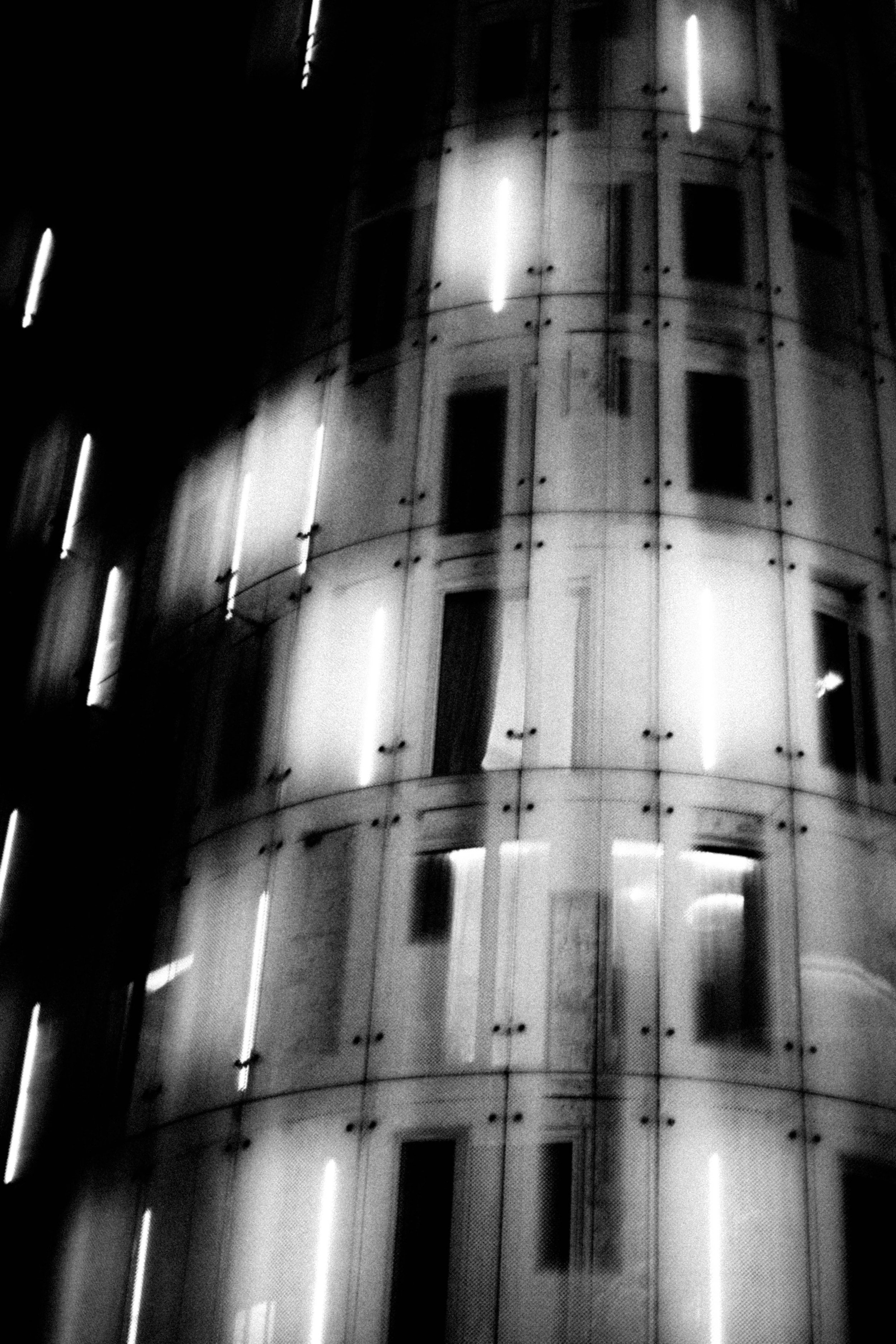
Light is often considered a technical element in photography, something to control, measure, and refine during the creation process, yet its role does not end once an image is captured or printed, as it continues to shape the perception of the photograph long after it has found its place within a space. Unlike digital images viewed on backlit screens, photographic prints exist in constant dialogue with natural and artificial light, subtly transforming throughout the day as brightness, direction, and intensity shift. This ongoing interaction gives abstract photography prints a unique quality, allowing them to feel almost alive, as if the image were gently evolving rather than remaining fixed. In the early hours of the morning, when light is softer and more diffused, details appear delicate and understated, inviting a slower and more introspective viewing experience, while during midday, stronger illumination can enhance contrast and reveal structural elements that might otherwise remain unnoticed. As evening approaches and light becomes warmer and more directional, the same image may take on a completely different presence, emphasizing depth, texture, and tonal variations in a way that alters its emotional impact. This natural transformation is particularly significant in abstract photography, where meaning is not tied to a specific subject but emerges through form, balance, and subtle relationships between visual elements. Because of this, the placement of a photographic print becomes an integral part of the experience, influencing how the image will be perceived over time and in different conditions. A wall facing a window, for example, will offer a dynamic interplay of light and shadow that changes continuously, while a more controlled lighting environment may create a stable and consistent presentation, each approach providing its own aesthetic value. Rather than seeking a single perfect viewing condition, abstract prints encourage a more fluid relationship, where variation is not a flaw but an essential characteristic that enriches the artwork. This perspective shifts the role of the viewer from passive observer to active participant, someone who revisits the same image and discovers new nuances depending on the moment of the day. Over time, this evolving interaction can create a deeper connection with the artwork, as it becomes integrated into daily life not just as a visual element but as a subtle presence that responds to its surroundings. Choosing a photographic print with this awareness means considering not only the image itself but also the environment in which it will exist, recognizing that light will continue to shape its identity in ways that cannot be entirely predicted. In this sense, abstract photography prints offer a form of quiet complexity, where simplicity at first glance gives way to a richer and more layered experience that unfolds gradually. This ability to change without losing coherence is what allows certain images to remain engaging over time, maintaining their relevance and emotional resonance even as the conditions around them evolve. Rather than being static objects, these prints become part of a living space, contributing to its atmosphere in a way that feels natural, balanced, and continuously renewed.
If this image resonates with your space, you can explore the full collection.