Finding the Abstract in Everyday Objects
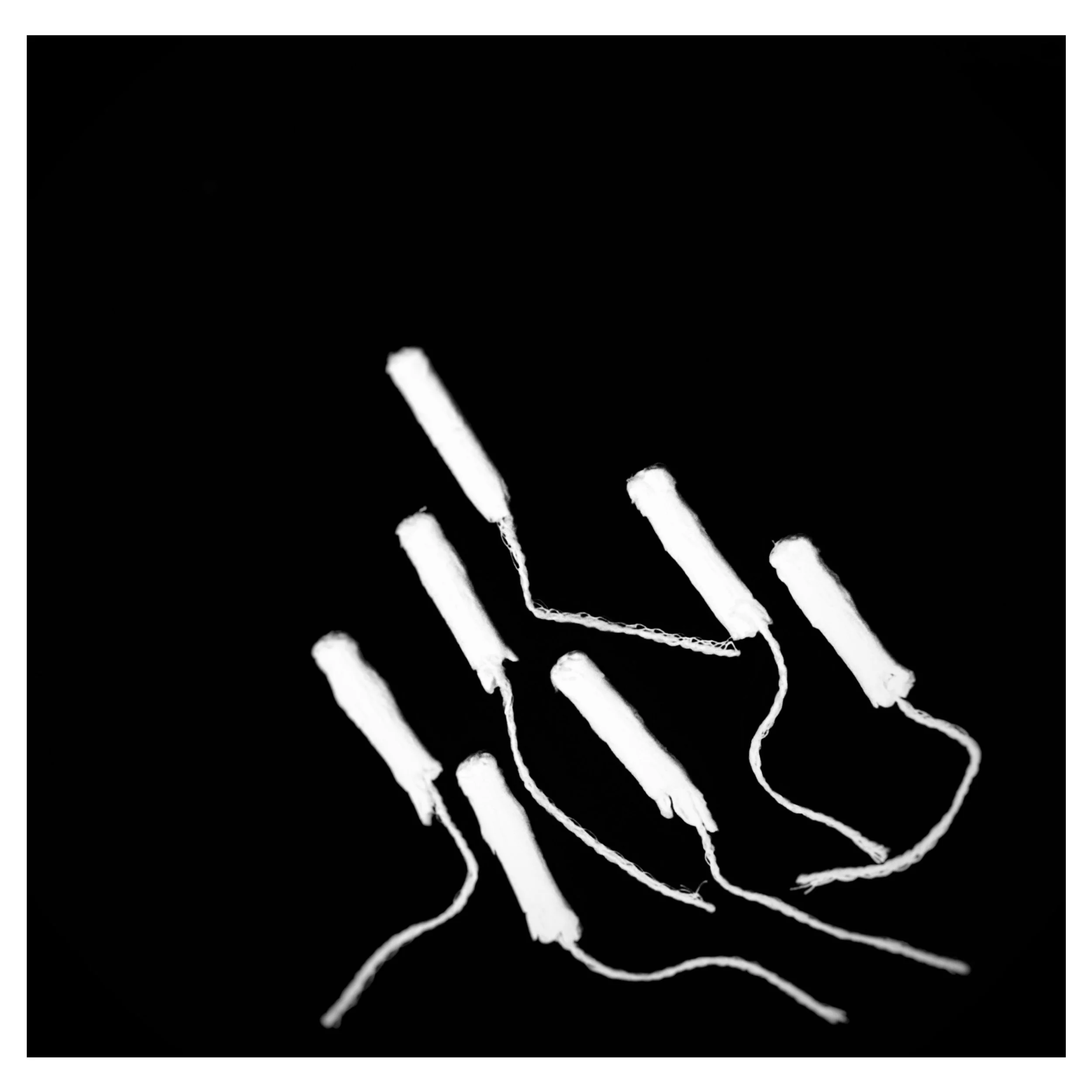
“the winner takes it all”
Abstract photography is often perceived as something constructed, the result of deliberate manipulation or complex visual strategies designed to distort reality. Yet, in many cases, abstraction does not need to be created at all. It already exists, embedded within the ordinary, waiting to be noticed. The world we move through every day is filled with unnoticed structures, silent repetitions, and compositions that operate just beneath the threshold of attention. What changes is not the object itself, but the way we choose to see it.
Everyday objects, designed primarily for function, often carry within them a hidden visual language. A ceiling is not meant to be observed, but simply to exist above us. A fork is meant to serve a purpose, not to be contemplated. And yet, when these objects are isolated from their context, when their function is momentarily suspended, something shifts. They begin to lose their identity as objects and take on a new role as forms, patterns, and relationships. The familiar dissolves into something less defined, something open to interpretation. This transition does not require elaborate setups or exotic subjects; it requires attention and a willingness to detach from automatic perception.
In this process, imperfection plays a crucial role. Perfect symmetry, while visually satisfying at first glance, often feels static and controlled, almost artificial in its precision. It offers clarity, but rarely tension. When an image is slightly off balance, when alignment is suggested but not absolute, a different kind of energy emerges. The composition begins to breathe. There is a subtle instability that invites the viewer to stay longer, to search for resolution that never fully arrives. Imperfection introduces a human dimension, even when no human presence is visible. It disrupts predictability and replaces it with presence. This is often where an image shifts from being simply correct to being meaningful.
What photography allows, at its core, is a shift in perception. We are conditioned to recognize objects by their function, to categorize them instantly and move on. This efficiency is necessary in daily life, but it limits our ability to see beyond the obvious. When function is removed or ignored, form begins to emerge as the primary subject. Lines, shapes, and spatial relationships come forward, no longer tied to utility but open to interpretation. At this point, the image no longer documents reality in a literal sense; it begins to suggest something else. It becomes a space where meaning is not imposed, but discovered.
Some images are not created. They are recognized. They exist in the world independently of the camera, waiting for a moment of alignment between observation and awareness. The act of photographing, in this context, becomes less about producing something new and more about revealing something that was already there. This approach does not diminish the role of the photographer; rather, it redefines it. The photographer becomes someone who selects, isolates, and frames, someone who decides where to look and, more importantly, how to look.
Abstract photography, when approached in this way, does not depend on rarity or spectacle. It does not require distant locations or unusual subjects. It exists in proximity, in repetition, in the unnoticed details of everyday environments. What might initially appear infinite, complex, or even cosmic can, upon closer inspection, be something entirely ordinary. A ceiling, a shadow, a reflection. The transformation does not happen in the object itself, but in the act of seeing. And once that shift occurs, it becomes difficult to return to a purely functional view of the world.
Explore SJ’s art here