Contemporary Photography and the Art Market: Between Creative Freedom and Sustainability
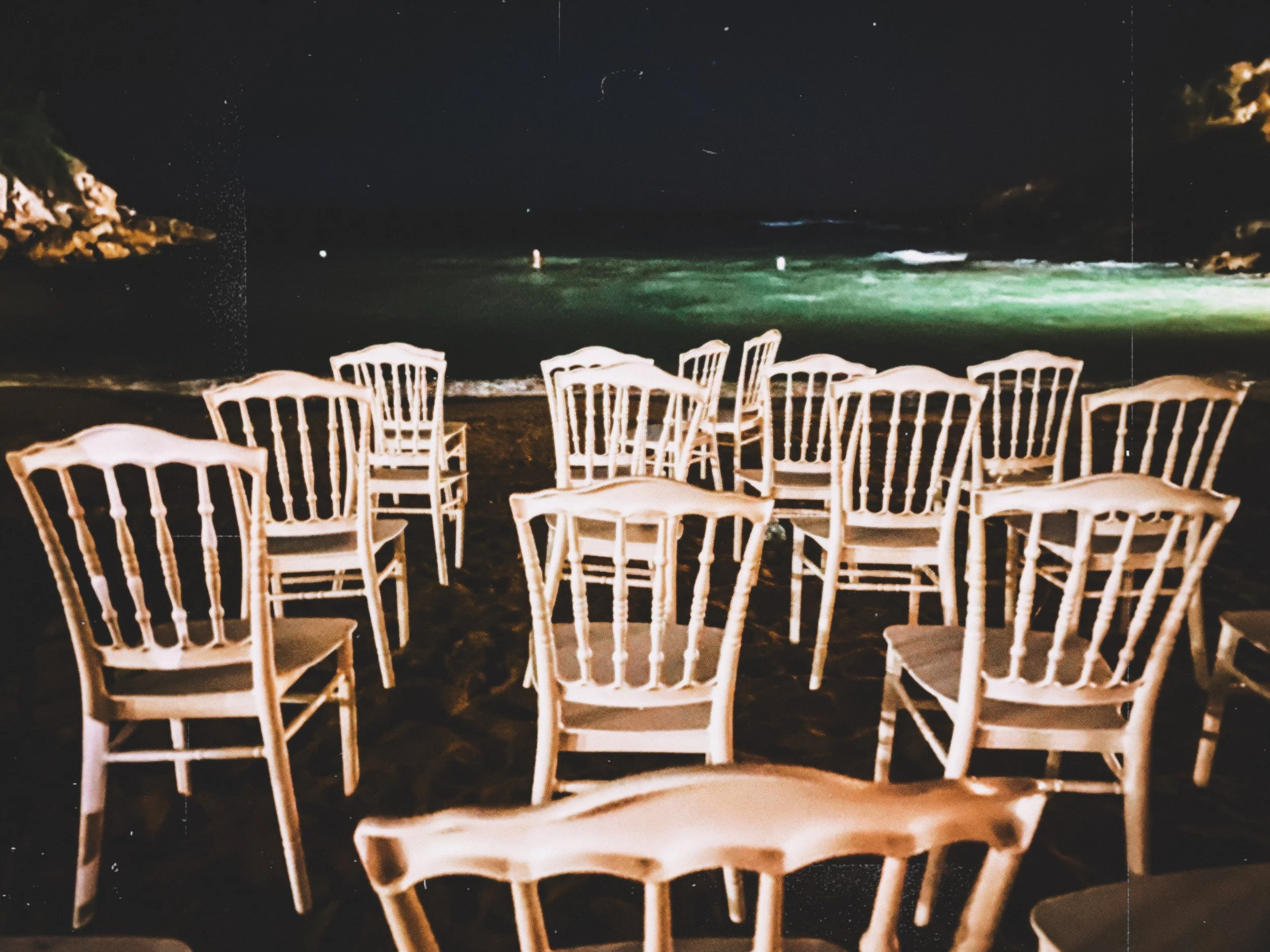
There comes a moment in every artist’s journey when a simple yet unsettling question emerges: why do I create? In the context of contemporary photography, this question extends beyond personal expression and enters a broader reflection on the relationship between creative freedom and sustainability. Today, being a fine art photographer means navigating a complex space where artistic vision meets the realities of the art market, where each photograph exists not only as an aesthetic object but also as part of a cultural and economic ecosystem.
Contemporary photography is no longer confined to galleries or traditional circuits. It lives across digital platforms, personal websites, and curated online spaces, where visibility and positioning play a crucial role. For photographers working in conceptual and fine art photography, the challenge is not only to create meaningful images but also to ensure that those images reach the right audience. This introduces an essential tension between artistic integrity and the need to build a sustainable career in photography, a tension that defines much of the modern artistic experience.
The art market is often misunderstood, especially by emerging artists who fear that engaging with it might compromise their work. However, the art market is not simply about selling photography prints or assigning prices to images. It is a dynamic system of relationships, meanings, and exchanges. It connects collectors, artists, galleries, and viewers, allowing fine art photography to circulate and gain recognition. Understanding this ecosystem is fundamental for any photographer who wants to move beyond visibility and into relevance.
Collectors do not acquire images randomly. They seek connection, narrative, and identity within the work. A fine art photograph becomes valuable not only because of its visual quality but because it communicates something distinctive. This is where conceptual photography finds its strength. By transforming everyday objects into symbolic compositions, photographers create images that resonate on a deeper level, making them more likely to stand out in an increasingly saturated visual landscape.
Being a contemporary photographer today requires more than technical skill. It involves developing a coherent artistic identity and presenting it consistently across platforms. A strong online presence, whether through a personal website or curated social media channels, is essential. SEO for photographers plays a key role in this process, allowing potential collectors and art enthusiasts to discover work organically. Titles, descriptions, and blog content are not secondary elements; they are strategic tools that contribute to visibility and positioning within the digital art market.
The fear of selling art remains one of the most persistent barriers for photographers. Many still associate selling with a loss of authenticity, as if commercial success were inherently incompatible with artistic value. In reality, the opposite is often true. Selling fine art photography prints does not diminish the work; it validates its ability to connect with an audience. The crucial distinction lies in intention. Creating work solely to follow trends can weaken artistic identity, while presenting authentic work to the market strengthens both visibility and credibility.
The value of a photograph in the fine art context is multifaceted. It is shaped by conceptual depth, composition, and the use of light, but also by tangible factors such as limited editions, print quality, and presentation. Collectors are not simply buying a photograph; they are investing in a vision, in a specific way of seeing the world. This is why photographers must pay attention to every detail, from the choice of materials to the clarity of their artistic statement. Professionalism, far from limiting creativity, provides the structure that allows artistic work to exist sustainably over time.
Sustainability in photography is not only financial but also creative. Maintaining creative freedom requires stability, and stability requires strategy. Photographers must think long-term, investing in their skills, refining their visual language, and building relationships within the art community. This includes engaging with galleries, curators, and collectors, as well as cultivating a direct relationship with their audience through digital platforms. The ability to balance artistic exploration with practical considerations is what ultimately defines a sustainable artistic career.
Digital platforms have transformed the way photography is shared and perceived. Instagram, blogs, and portfolio websites have become essential tools for photographers, but they must be used with intention. Simply posting images is not enough. Context matters. Storytelling, captions, and articles like this one contribute to a deeper understanding of the work and improve SEO performance, making it easier for the right audience to discover it. In this sense, digital communication is not separate from art; it is an extension of it.
However, increased visibility comes with the risk of standardization. The abundance of images online often leads to repetition and loss of individuality. For photographers who want to stand out, the key is not to follow trends but to develop a distinct voice. Conceptual photography, with its emphasis on meaning and interpretation, offers a powerful way to resist homogenization and create work that remains relevant over time.
Art has always been a form of dialogue, and contemporary photography is no exception. Every image establishes a connection between the artist and the viewer, inviting interpretation and emotional response. The art market amplifies this dialogue, providing the structures that allow it to reach a wider audience. Without this exchange, even the most powerful images risk remaining unseen.
Ultimately, the balance between creative freedom and sustainability is not about choosing one over the other. It is about integrating both into a coherent practice. A photographer must be both visionary and strategic, capable of creating work that is authentic while also understanding how to position it within the art market. This balance allows photography to move beyond personal expression and become part of a larger cultural conversation.
In the end, every photograph is an encounter. It is the meeting point between intention and perception, between the artist’s vision and the viewer’s experience. And it is within this encounter that contemporary photography finds its true value.
If this image resonates with your space, you can explore the full collection
Read also: Photography: Developing Your Art or Feeding the Audience?; Art Is Not Content