Beyond the Photograph: The Photographer in the Age of Communication
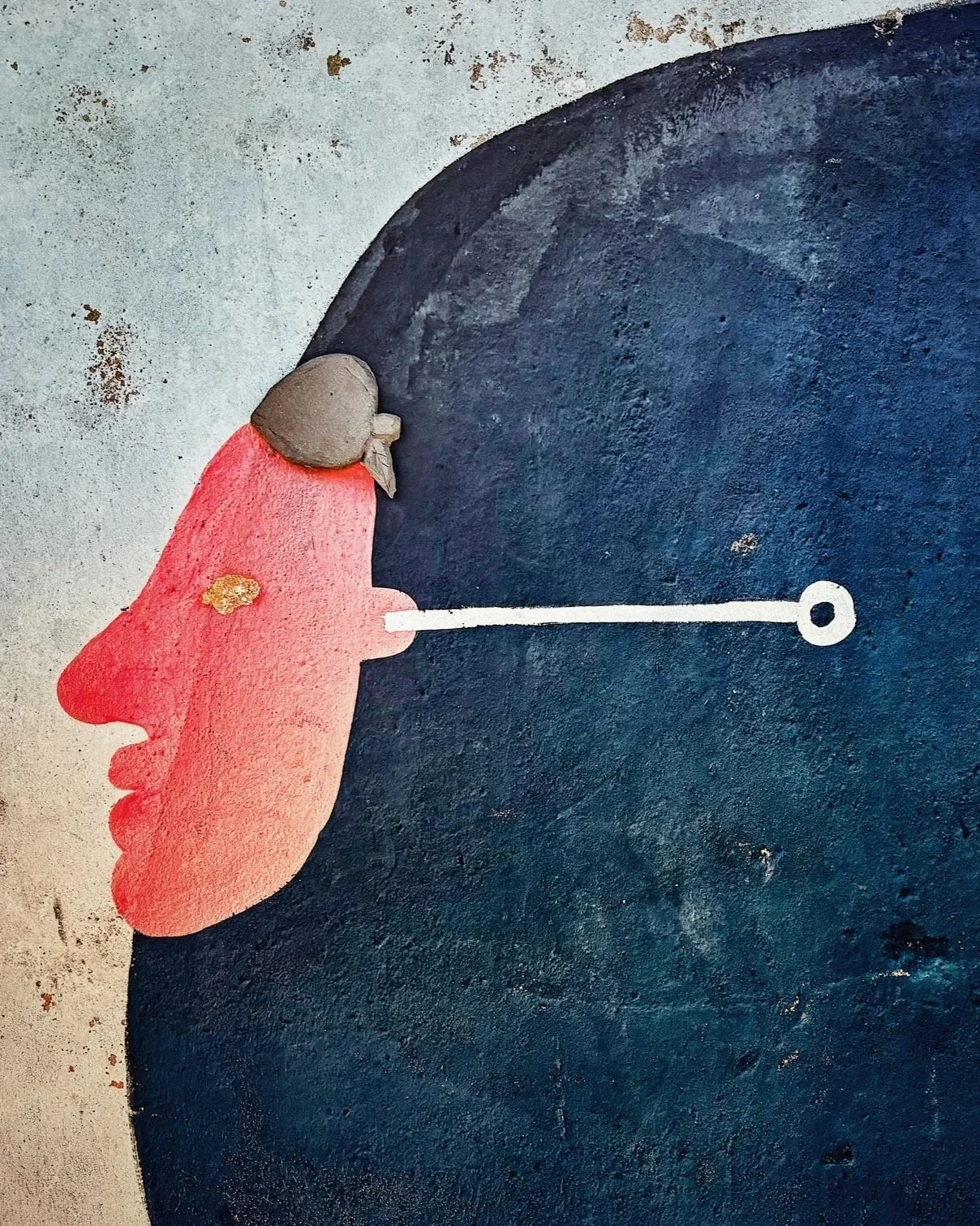
Photography has never been more accessible. Cameras are everywhere, images are produced constantly, and publishing a photograph can take no more than a few seconds. Yet, paradoxically, it has perhaps never been more difficult for a photographer to make an image truly visible. The question is therefore no longer simply how to photograph, but also what happens afterwards. Can a photographer, in the age of communication, still limit their work to taking photographs? I believe the answer is becoming increasingly difficult to justify.
The photograph is only the beginning
This does not mean that every photographer should become a content creator, a marketing specialist or a social media personality. Nor does it mean that photography itself has become less important. Quite the opposite. The photograph remains the centre of everything, but the centre is not the whole ecosystem. A photograph can exist as an image, but it can also become part of a project, a book, an exhibition, a print, an editorial story or a larger visual narrative. It can move from a screen to a physical space. It can be encountered on a website, discussed in an article, published by a magazine or eventually become an object that someone chooses to live with. These are not necessarily separate activities. They can be different forms of the same work.
For a long time, the traditional model of the photographer was relatively simple: make photographs, build a portfolio, show the work and wait for an audience to arrive. That model still exists, but the environment around it has changed dramatically. Today, photographers operate inside an enormous visual conversation. Images compete not only with other photographs, but with advertising, video, design, entertainment, artificial intelligence and an almost endless stream of visual information. In such an environment, simply producing good photographs is no longer enough to guarantee that they will be seen, understood or remembered.
Communication as context
This is where communication becomes part of the photographic practice. Not communication as noise. Not the constant obligation to post. Not the exhausting race for visibility. Communication as context. An image becomes stronger when people understand where it comes from, what it belongs to and why it exists. A project can give a photograph a meaning that a single image might not communicate on its own. A book can give a body of work permanence. A print can transform an image from something encountered briefly on a screen into something physically present in someone's environment.
The photographer therefore has an opportunity to build an ecosystem around the work. The photograph is the starting point. The project gives it direction. The story gives it context. The book gives it continuity. The print gives it physical presence. The exhibition gives it space. Communication allows it to travel. None of these elements has to exist in every photographer's practice. There is no universal formula, and certainly no obligation to be everywhere. The important question is whether the different elements support the same artistic identity.
Beyond visibility
This distinction matters. Being present everywhere is not the same as building an ecosystem. An ecosystem is not a collection of platforms. It is a network of relationships between the work and the people who encounter it.
This also changes the role of the photographer. The photographer is no longer only the person behind the camera. They increasingly become the person who decides how the work enters the world. That requires choices. What should remain private? What deserves to be published? Which images belong together? Which project deserves a book? Which photograph deserves to become a print? Which story should be told, and which should remain unexplained? These decisions are not necessarily marketing decisions. They are editorial decisions.
Perhaps this is where the contemporary photographer has to go beyond photography without abandoning it. The objective is not to produce more content. It is to create more life for the work. A photograph should not necessarily disappear after its first publication. It can have several lives, each revealing a different aspect of the same artistic vision.
The challenge is therefore not to be everywhere. It is to build somewhere meaningful. Because in an age in which almost everyone can produce an image, the real distinction may no longer be the ability to take a photograph. It may be the ability to give that photograph a reason to exist, a context in which to be understood, and a life beyond the moment in which it was taken.
The photographer still photographs. But increasingly, the photographer also builds the world around the photograph.