Beyond Hyper-Specialization: Why I Think Photographers Should Keep Exploring
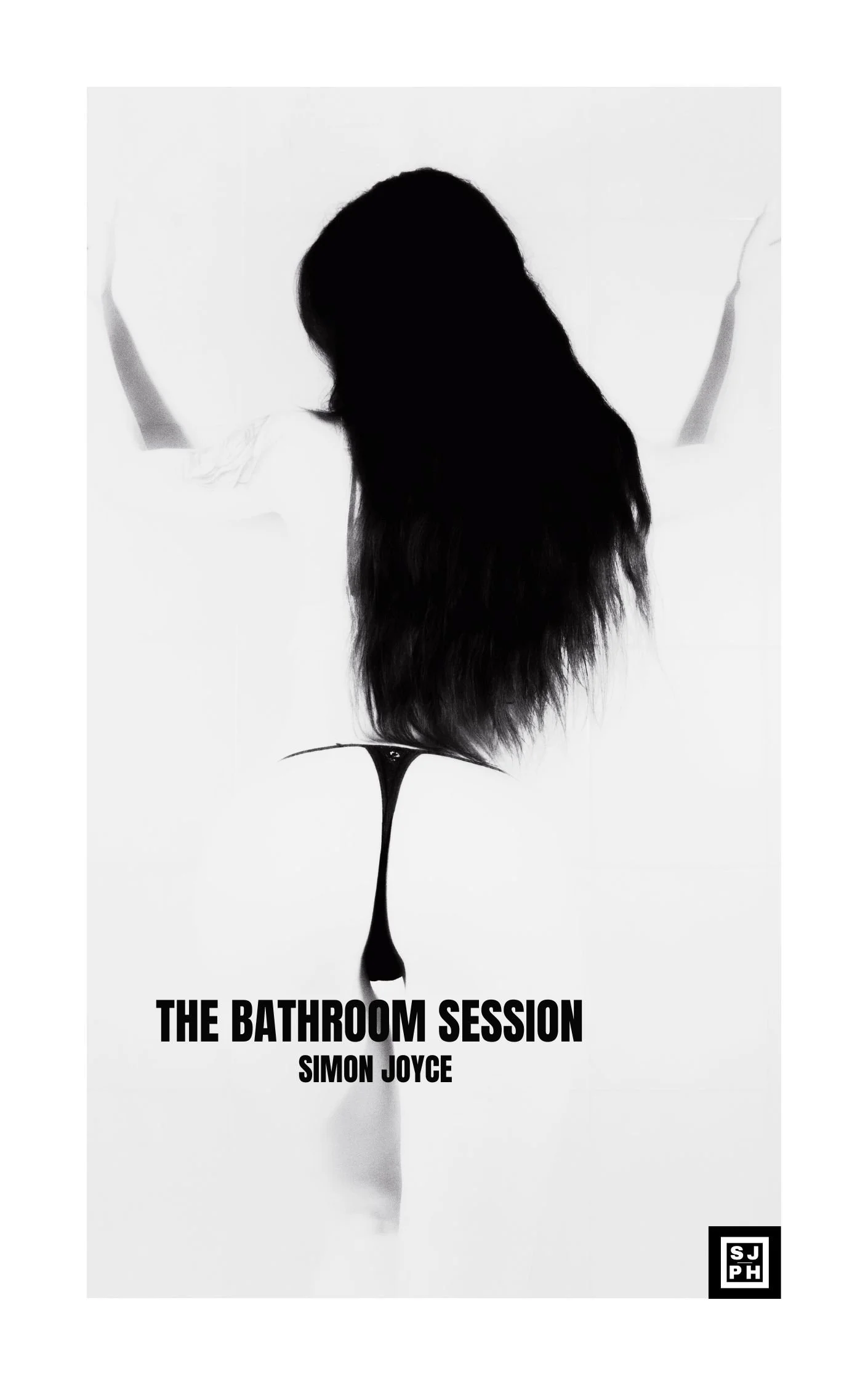
I think contemporary photography is increasingly obsessed with hyper-specialization. Everywhere we look, photographers are encouraged to become instantly recognizable. Same colors, same editing style, same subjects, same visual rhythm. Consistency has become almost a religion. And while I understand why — especially in a world shaped by algorithms and branding — I also think there is a hidden danger behind this approach. At a certain point, repetition can start replacing research. I think many photographers slowly become prisoners of their own visual identity. Not because they lack talent, but because they become afraid of leaving the territory that people already appreciate. The result is often technically refined work that no longer evolves emotionally or creatively. And this is where experimentation becomes essential. I do not think experimentation means abandoning coherence or randomly changing direction every month. I think experimentation is a way of keeping curiosity alive. It is a way of protecting the ability to still be surprised by images, spaces, light, and atmosphere. Some of the most interesting discoveries happen exactly when photographers stop trying to confirm what they already know how to do. Recently, while working on “The Bathroom Session”, I found myself thinking a lot about this. The series was born during a workshop, but I never approached it as a simple technical exercise. I was interested in tension, claustrophobic spaces, emotional atmosphere, strong contrasts, and imperfect balance.
Some people appreciated the mood and the visual language. Others described the images as too dark or unsettling. I read the discussion without trying to justify the work, because I think reactions are part of the process. Not every photograph needs to comfort the viewer. I think photography can also disturb, confuse, or create emotional friction. Sometimes an image becomes memorable precisely because it refuses to be immediately reassuring or decorative. This is one of the reasons why I am increasingly interested in visual research that exists outside the logic of pure aesthetic consumption. Today we are surrounded by images designed to be instantly readable and instantly liked. Everything moves very fast. But I think authors should still allow themselves spaces where exploration matters more than approval. For me, experimentation is not a stylistic luxury. It is part of keeping photography alive.
I also think there is a difference between being an author and becoming only an artisan of one’s own formula. Technique matters enormously, of course. Discipline matters. Consistency matters. But when photographers stop exploring unfamiliar territories, something risks becoming static. An author should evolve together with their obsessions, references, emotions, and visual questions. Sometimes this evolution starts in unexpected places: a workshop, an empty room, a difficult light, a strange atmosphere, or even a failed experiment. I think photographers should protect these moments carefully. Because not every image has to become a product. Some images exist to open doors toward future directions. And maybe this is exactly what visual research should do: not provide answers, but keep perception moving.
model: Aurora Muolo