When an image becomes part of the space we inhabit
A photograph is often encountered on a screen. It appears, captures our attention for a moment and is quickly replaced by another image. This is now the most familiar way of experiencing photography: through an endless sequence of pictures viewed on phones, computers and digital displays. Yet photography has another dimension, one that becomes apparent when an image leaves the screen and takes physical form. Printed, framed and placed within an environment, a photograph is no longer simply something we look at. It becomes something we live alongside.
The transition from digital image to physical print is not merely a technical change of medium. It alters the relationship between the work and the viewer. On a screen, an image exists within a device and competes with countless others for attention. Its presence is temporary, often determined by the speed at which we move through digital content. A photographic print, by contrast, occupies a defined place. It has a scale, a material surface and a relationship with the light that surrounds it. Its presence is continuous, even when nobody is looking at it. The image becomes part of the physical environment, acquiring a role that extends beyond the moment of observation.
This transformation also changes the way we perceive an image. Details that might pass unnoticed on a small display can become more evident in a print. Tonal transitions, textures, contrasts and the relationship between positive and negative space acquire a different intensity. The physical dimensions of the work influence how it is approached: some images invite close observation, while others establish their presence from a distance. The material itself contributes to the experience. Paper, surface finish and printing quality are not secondary elements, but part of the way a photographic work communicates. They give substance to an image that, in digital form, remains dependent on a screen.
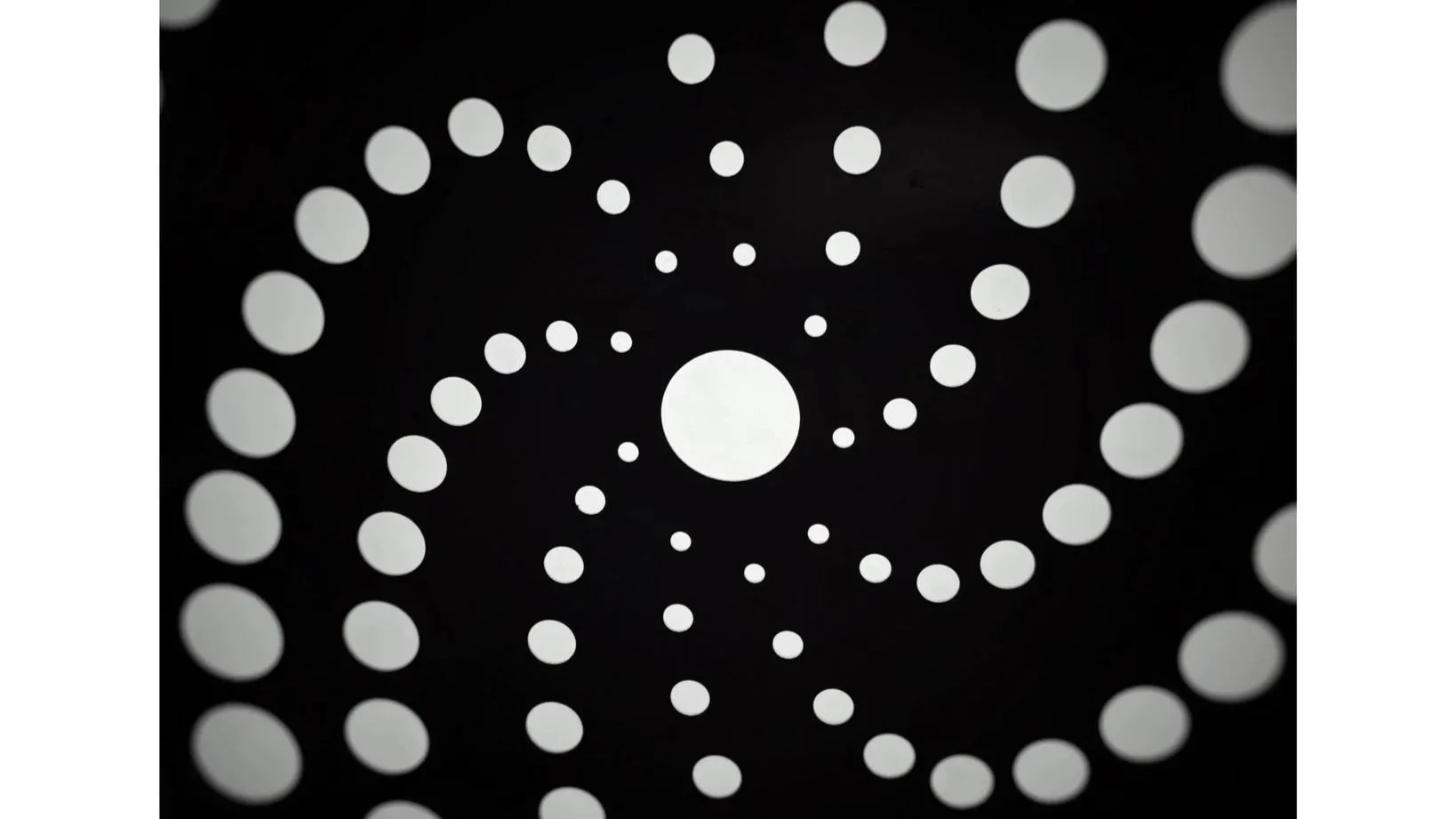
When photography enters an interior, it also begins a dialogue with its surroundings. Architecture, furniture, natural light and the proportions of a room all influence how a work is perceived. At the same time, the photograph can alter the character of the space in which it is placed. A strong geometric composition may introduce a new rhythm; an image built around empty space can create a sense of openness; a pronounced contrast can establish a point of visual tension. The relationship is reciprocal: the environment frames the photograph, while the photograph contributes to the identity of the environment. This is why choosing a photographic work for a room involves more than finding an image that matches its colours or style. It is also a question of presence, balance and personal response.
A photograph displayed in a home or workplace does not need to provide an immediate answer or tell a clearly defined story. Its meaning can change over time, depending on the viewer's experience, mood and attention. An image that initially attracts us through its formal qualities may gradually reveal different associations. Something that seemed familiar may become ambiguous; a detail may acquire unexpected importance. Unlike the rapid consumption of images on a screen, living with a photographic print allows repeated encounters. The work remains available for observation, but it does not demand it. Its presence creates the possibility of looking again.
Perhaps this is one of the most interesting aspects of collecting photographic art. Acquiring a print means choosing to give an image a lasting place in one's surroundings. It is a decision that goes beyond the immediate attraction of a picture: it involves a relationship with the photographer's vision, with the physical qualities of the work and with the meanings that may emerge through time. A limited edition, signed and numbered, also carries the character of an individual artwork rather than that of an endlessly reproduced digital image.
Photography does not lose its power when it leaves the screen. In many ways, it discovers another one. It becomes material, spatial and enduring, entering into a relationship with the architecture and everyday life around it. An image can begin as a moment of observation, but as a print it can become a lasting presence. It no longer asks only to be seen. It becomes part of the space we inhabit.