Photography as an Investment: What to Consider Before Buying an Authored Print
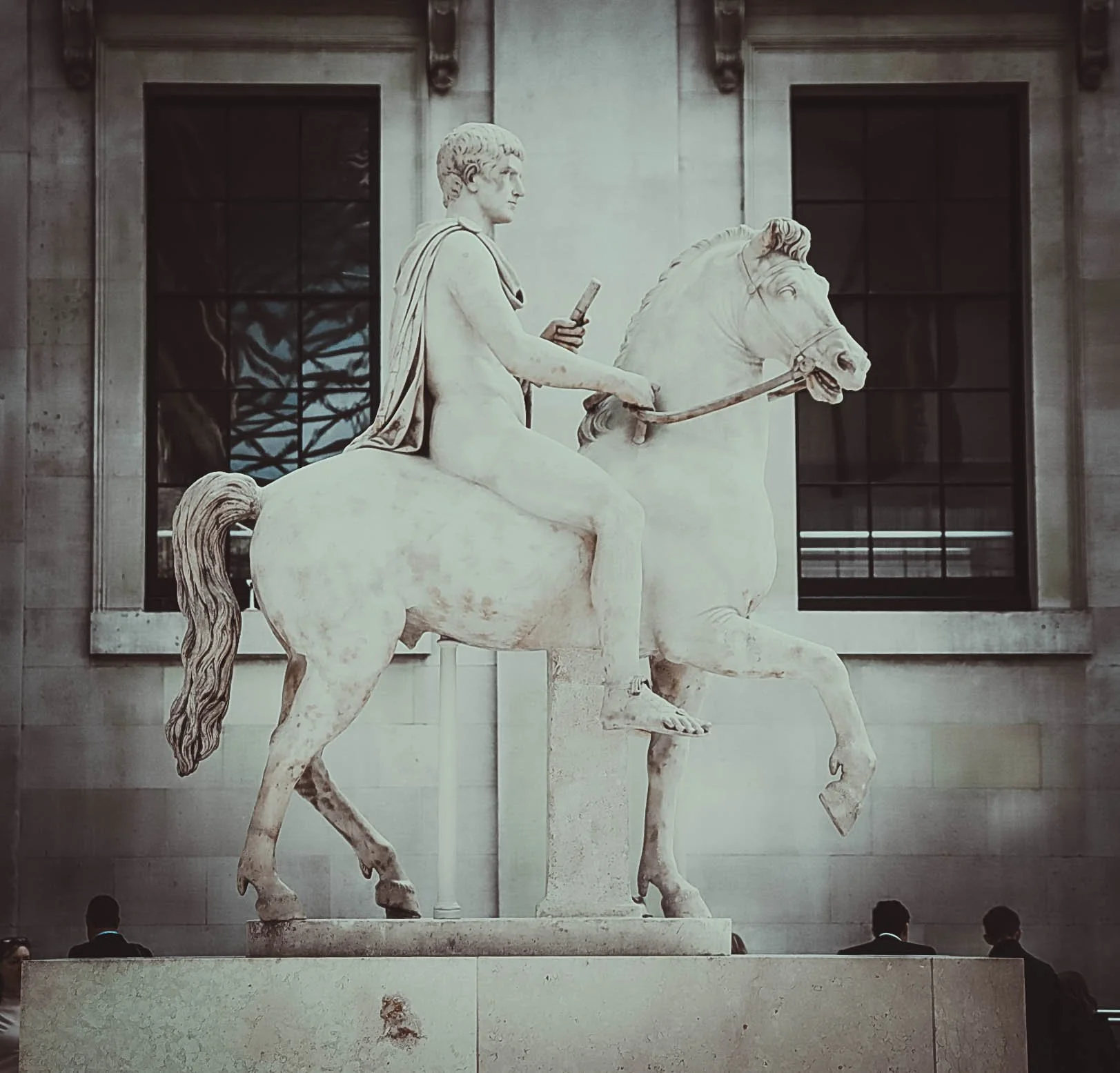
photograph taken at the British Museum in London
There is a growing awareness, among collectors and design lovers alike, that a photograph can be far more than decoration. An authored print — one produced in limited numbers, signed, and rooted in a coherent artistic vision — can hold and even increase its value over time. But unlike buying a painting from an established gallery circuit, entering the world of photographic collecting requires understanding a few key principles that most buyers never stop to consider.
The photographer's trajectory matters more than the single image
A single striking photograph is not, by itself, evidence of long-term value. What matters is the coherence of the body of work it belongs to, and the direction of the artist's career. Collectors and curators look at consistency: does the photographer have a recognizable visual language? Is the work part of an evolving narrative, exhibited, published, or discussed critically? A print becomes more meaningful — and more likely to appreciate — when it is one chapter in a larger, intentional story, not an isolated "nice shot."
Edition size and provenance define scarcity
Scarcity is the foundation of value in any collectible market, and photography is no exception. A print issued in an edition of 7 will always behave differently, economically, than one of 250. Before purchasing, it's worth asking: How many copies exist in this edition? In which sizes? Has the negative or file been retired after the edition sold out? A well-documented, closed edition with a certificate of authenticity gives both aesthetic and financial integrity to the piece — and protects its future resale value.
Materials and printing process are not a footnote
The physical object matters as much as the image itself. Archival pigment inks, museum-grade cotton paper, and a controlled printing process are not marketing language — they determine whether a print will still look the way it does today in thirty or fifty years. A photograph printed on non-archival materials, however beautiful now, is a depreciating asset by definition. Ask about the paper, the inks, and the expected longevity before you buy; a serious photographer or gallery will always be transparent about this.
Documentation is part of the value
A certificate of authenticity, clear edition numbering, and a paper trail of the work's exhibition or publication history are not bureaucratic extras — they are what allows a piece to be reliably valued, insured, and eventually resold. When buying, always ask what documentation accompanies the print. The absence of it is one of the most common reasons a photographic work fails to hold value over time.
Buy what moves you — but buy consciously
None of the above should overshadow the most important criterion: an authored print should first and foremost create a genuine connection with you. Collecting purely for speculation rarely brings lasting satisfaction, and photography as an asset class remains less liquid and predictable than more established markets. The healthiest approach is to combine emotional conviction with informed judgment — choosing work you want to live with, from an artist whose trajectory you believe in, produced and documented with the seriousness the medium deserves.
In closing
Buying an authored photographic print is an act that sits between art appreciation and cultural investment. Understanding edition size, materials, provenance, and the photographer's broader body of work doesn't diminish the emotional experience of collecting — it protects it, ensuring that what you bring into your home today remains meaningful, and valuable, for decades to come.