The Difference Between Decorative Photography and Conceptual Photography
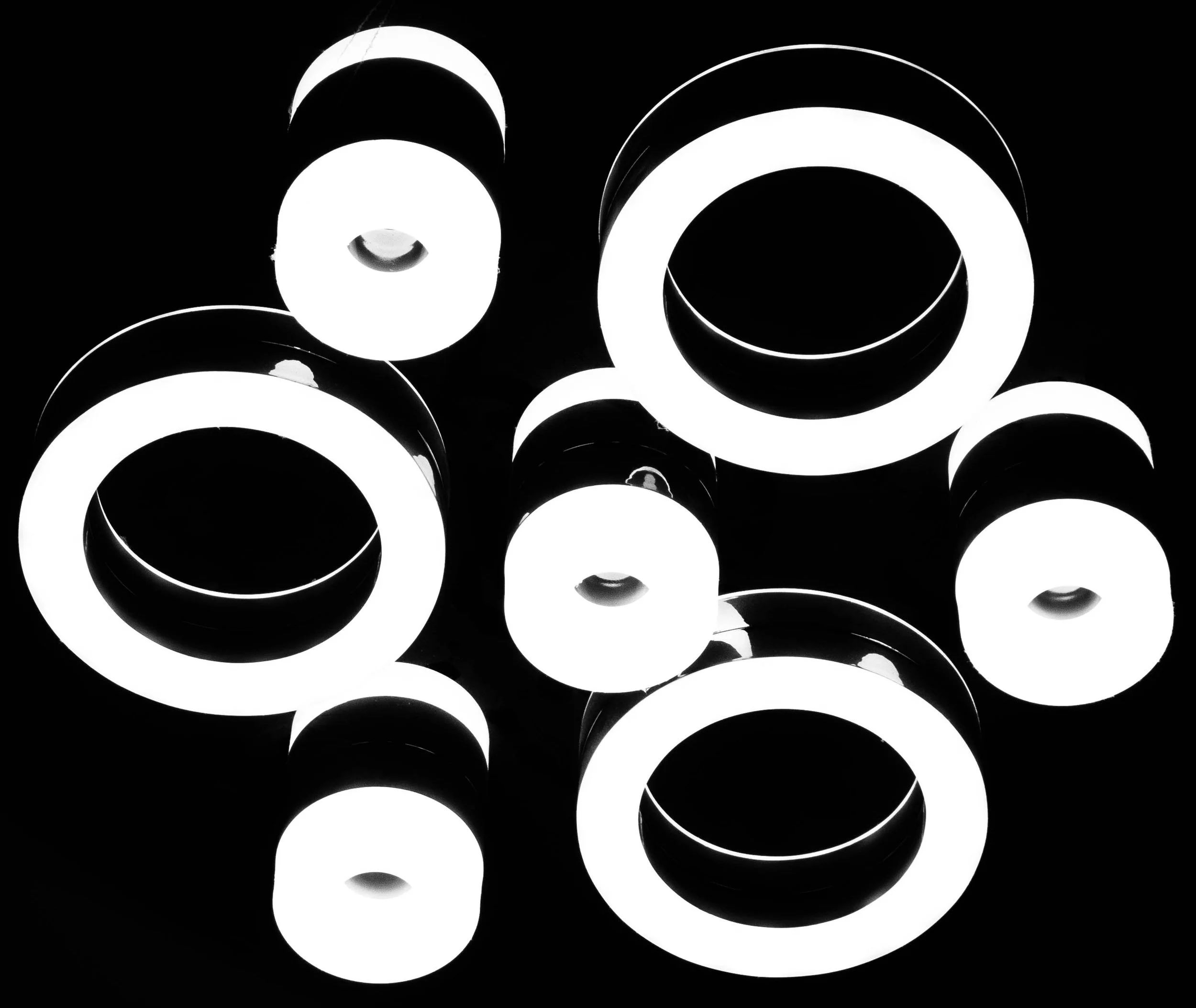
Photography has always occupied an ambiguous space between decoration and reflection. Some images are created to harmonize with an interior, to introduce atmosphere, color or familiarity into a room. Others attempt something different: they do not simply accompany a space, they alter the way the space is perceived. This distinction defines one of the most important differences within contemporary fine art photography — the difference between decorative photography and conceptual photography.
Decorative photography generally seeks immediate accessibility. It is often designed around visual comfort, recognizable subjects and aesthetic balance. Landscapes, flowers, architectural details or abstract textures become elements that integrate smoothly into domestic or commercial interiors. There is nothing inherently wrong with this approach. Decorative wall art can create warmth, elegance and visual cohesion, especially within minimalist or contemporary spaces.
Conceptual photography operates differently. The image is not only meant to be viewed; it is meant to be interpreted. Form becomes language. Structure becomes thought. The photograph no longer functions exclusively as decoration, but as a visual proposition capable of generating tension, ambiguity or reflection.
In conceptual fine art photography, the subject itself is often secondary. What matters is the system of relationships inside the image: contrast, rhythm, geometry, repetition, silence, density or spatial imbalance. A flower may stop functioning as a botanical subject and become an investigation into symmetry and fragility. An industrial structure may cease to represent technology and begin to resemble a symbolic landscape. Light itself can transform from illumination into pressure or energy.
This transition from representation to interpretation is central to much contemporary abstract photography. Minimalist photography, in particular, is frequently misunderstood as visual emptiness or aesthetic reduction. In reality, minimalism within conceptual photography often increases tension rather than removing it. By reducing visual noise, the image intensifies the viewer’s attention toward structure, materiality and spatial relationships.
This is why conceptual photography tends to function differently inside contemporary interiors. Decorative images often complete a room. Conceptual works can reshape its atmosphere. They introduce visual gravity. They slow perception. They create focal points that are not only aesthetic but psychological.
In modern interior design, especially within minimalist and architecturally refined environments, contemporary fine art prints are increasingly selected not simply for color coordination but for conceptual presence. Black and white abstract photography, geometric structures and visual research-based imagery interact naturally with clean architectural lines, open spaces and restrained material palettes.
The growing interest in collectible photography prints also reflects this change. Collectors and design-conscious audiences are searching for artworks that maintain visual intensity over time rather than offering only immediate impact. Conceptual photography often reveals itself progressively. The image evolves through prolonged observation. Repetition, symmetry, fragmentation and silence become active components of the viewing experience.
At the same time, the distinction between decorative and conceptual photography should not be interpreted as a hierarchy. One is not automatically superior to the other. The difference lies primarily in intention. Decorative photography prioritizes atmosphere and accessibility. Conceptual photography prioritizes investigation and perception.
Many contemporary photographers move fluidly between these territories, creating images that can simultaneously function as refined visual objects and conceptual structures. This intersection is particularly visible within abstract fine art photography, where the boundary between image, design and symbolic language becomes increasingly unstable.
Today, photography is no longer confined to documentation or representation. Within contemporary visual culture, it can behave like architecture, sculpture or spatial intervention. A photograph may organize a room through silence, tension or rhythm in the same way a physical object organizes volume.
For this reason, conceptual photography continues to gain relevance within both contemporary art and interior design. It responds to a growing desire for images that do more than decorate — images capable of sustaining attention, generating interpretation and creating presence within space.
The strongest photographs are often not the ones that explain themselves immediately. They are the ones that continue to resonate after the first glance.